









Bicester
BICESTER: Military aerodrome; later gliding site and later still civil airfield
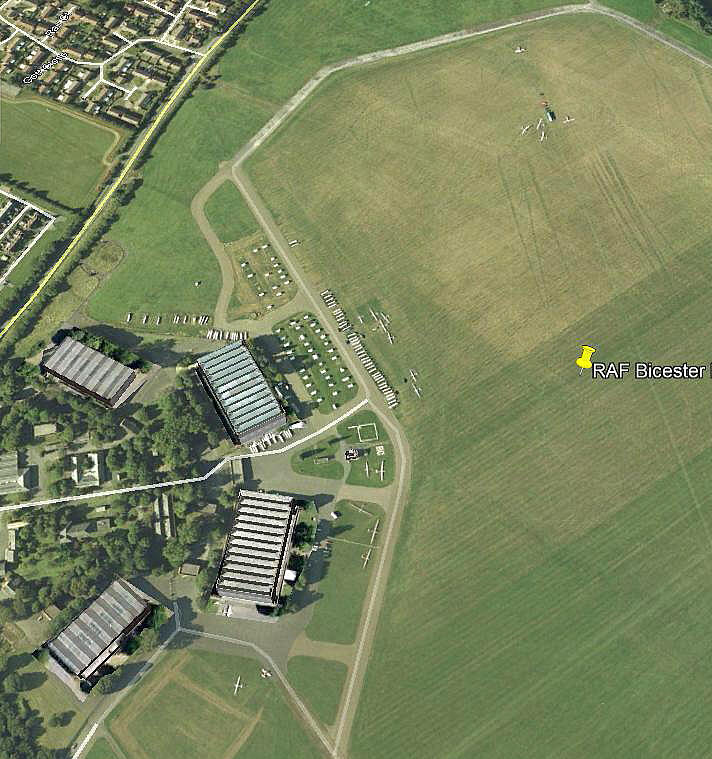


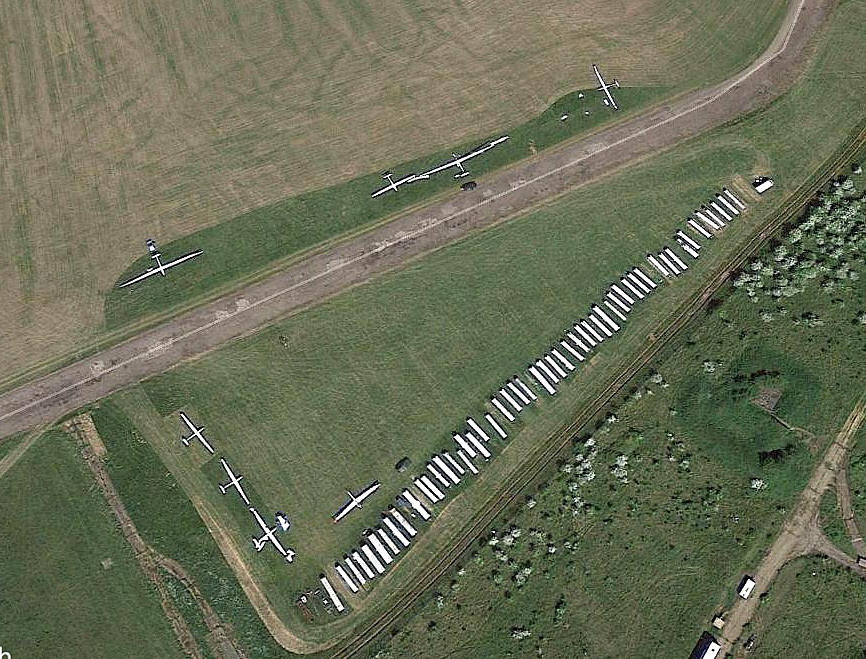
Note: All four of these pictures were obtained from Google Earth ©
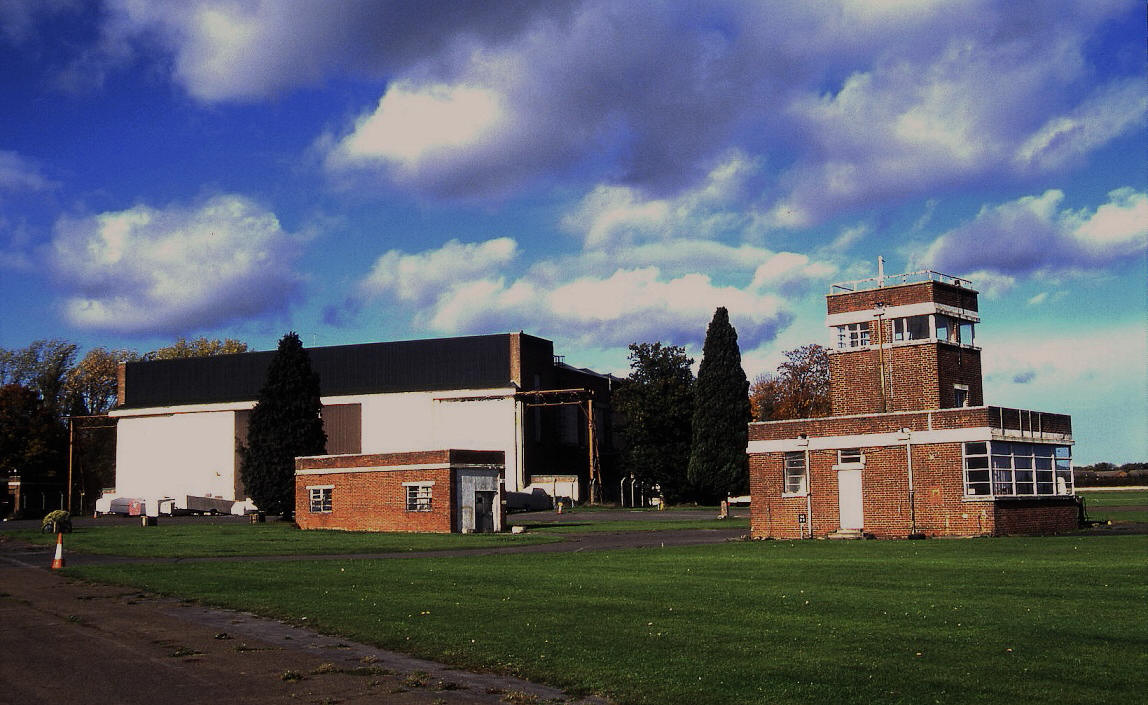
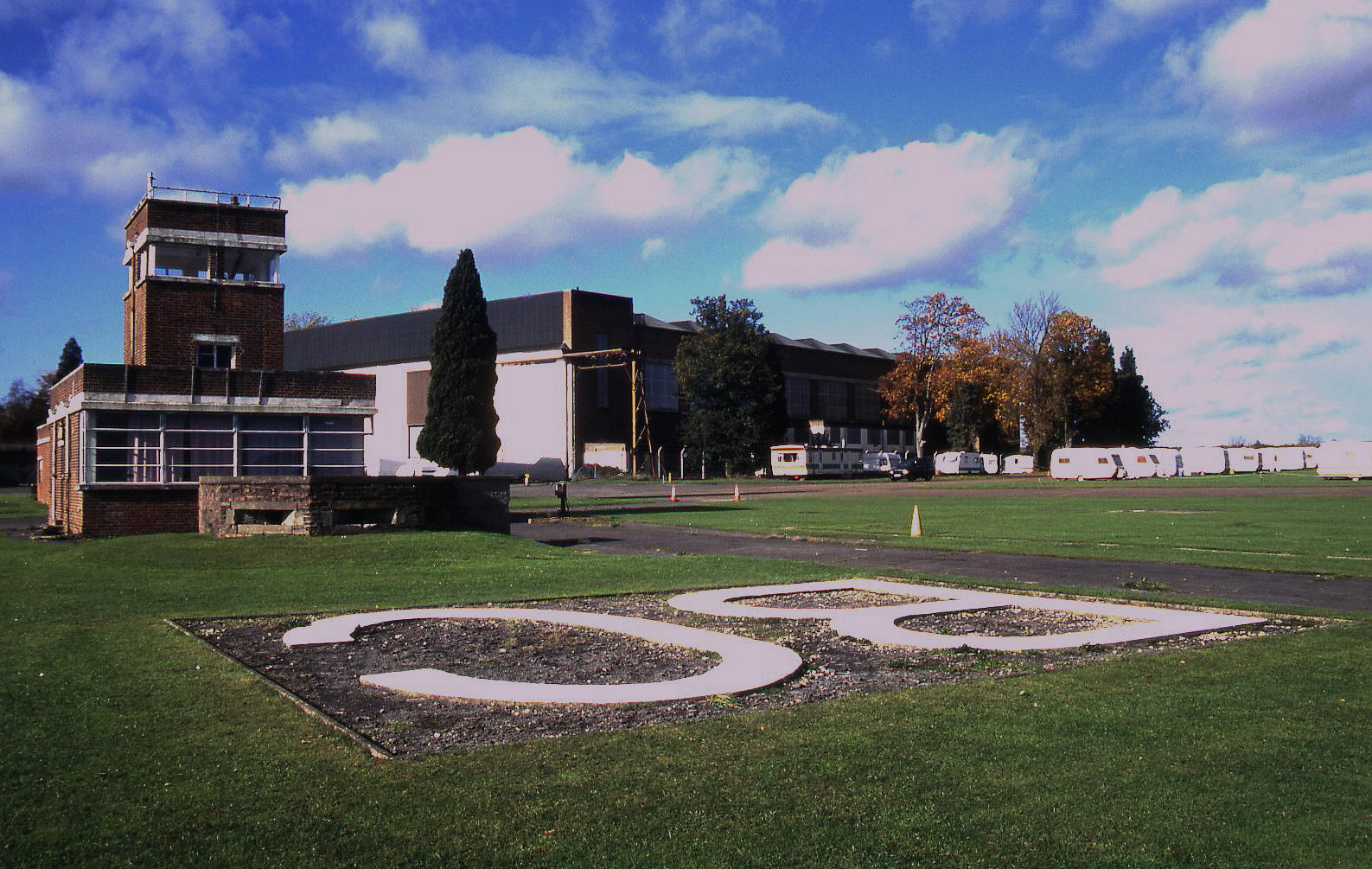

Note: Pictures by the author unless specified.
Military users: WW1: RAF Training Squadron Station and Training Depot Station
Interwar years
1918 – 39: 12 Sqdn (Hawker Harts)
144 Sqdn (Bolton-Paul Overstrands)
WW2: RAF Bomber Command
104 & 108 Sqdns (Bristol Blenheims)
12 & 142 Sqdns (Fairey Battles)
13 OTU (Blenheims, then Douglas A-20 Bostons and later DH Mosquitos)
POST WAR
1975: Oxford UAS (Chipmunks)
Gliding: 2000: RAF Gliding and Soaring Association (Gliding also listed in 1975)
Operated by: 2005: Windrushers Gliding Club
2013: Bicester Heritage Ltd
Location: E of A421 (now A4421), 1.5nm NNE of Bicester
Period of operation: 1916 to present day
Site area: WW1: 180 acres 1052 x 914
Runways: 1944: Grass airfield. NE/SW 1143 SE/NW 1005
E/W 868
But, in later years, and even today, regarded as one of the few 'All-over' grass airfields without any defined runways
NOTES: It does seem that BICESTER was operational in WW1 from 1916 until 1920 and then closed for a period before re-opening again.
The prototype Handley Page HP.57 Halifax four-engined bomber first flew from here and was undoubtably the largest aircraft to use BICESTER? Or was it the prototype Armstrong Whitworth Ensign which did a ‘dead-stick’ forced-landing here? This occurred on an early proving flight when all four engines failed due to the fuel cocks being mis-set. The approach and landing was spot-on, a testimony to the skill of test pilot Turner-Hughes.
In 2003 plans were drawn up to redevelop this aerodrome for housing and industrial estates but in 2004 it was declared a site of national importance which should be conserved. In 2005 some of the buildings were still occupied by the Defence Logistics Organisation, (part of the MoD).
In 2011 it was regarded as being one of very few ‘circular’ or ‘all-over’ airfields remaining in the UK. This means that take-offs and landings can be made into wind, there being no specific runways. There is a common myth that prior to WW2 the vast majority of civil and military airfields where laid out like this. This is much too simplistic. Although it may be true that narrow hard runways, (such as we invariably have today), weren’t usually marked out, the choice of landing or take-off direction, especially so for larger and/or faster aircraft, was often somewhat limited by the shape of the airfield…..such as one being ‘L’ shaped for example.
In 2013 it was announced Bicester Heritage Limited would be taking over the site.
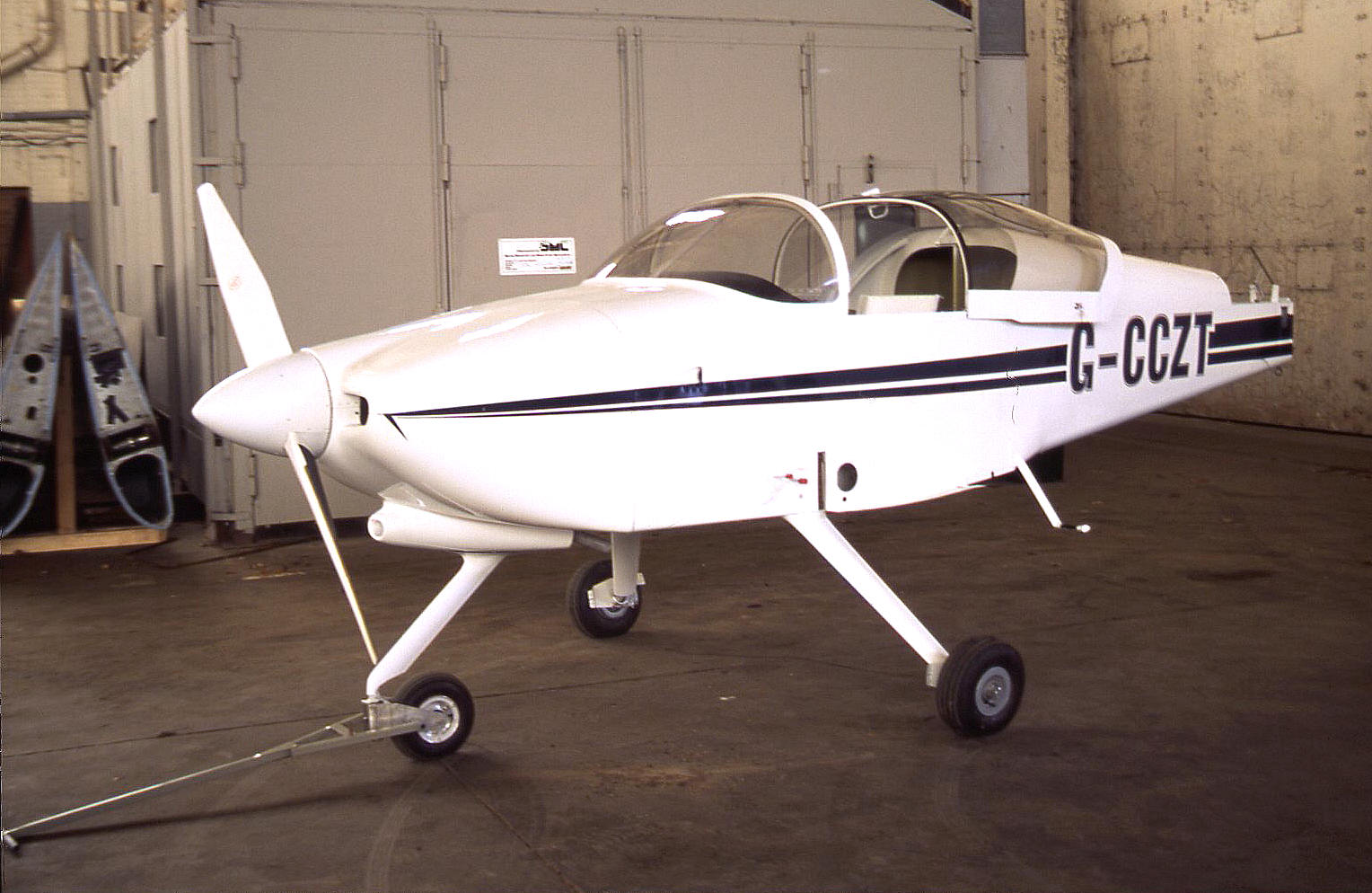
A PERSONAL MEMORY
In October 2004 I was given the job of delivering the Vans RV-9A from the home where it had been built to BICESTER. It was always a privilege to transport a home-built aircraft and I will always be in awe of the skill and loving attention so many home-builders lavish on these beautifully built aircraft.
Clive Dalzell
This comment was written on: 2020-05-31 11:11:54It is with great sadness to report that all gliding will cease at Bicester from the end of June 2020 due to the Bicester Gliding Club not having their lease renewed. I have heard that Bicester Heritage have plans to use the airfield (as they already have with the hangars and many other buildings) for their heritage car business.
We'd love to hear from you, so please scroll down to leave a comment!
Leave a comment ...
Copyright (c) UK Airfield Guide