





Blackpool flying sites
Note: This map only gives the general location of Blackpool within the UK.
BLACKPOOL see also MARTON MOSS
BLACKPOOL: Temporary aerodrome
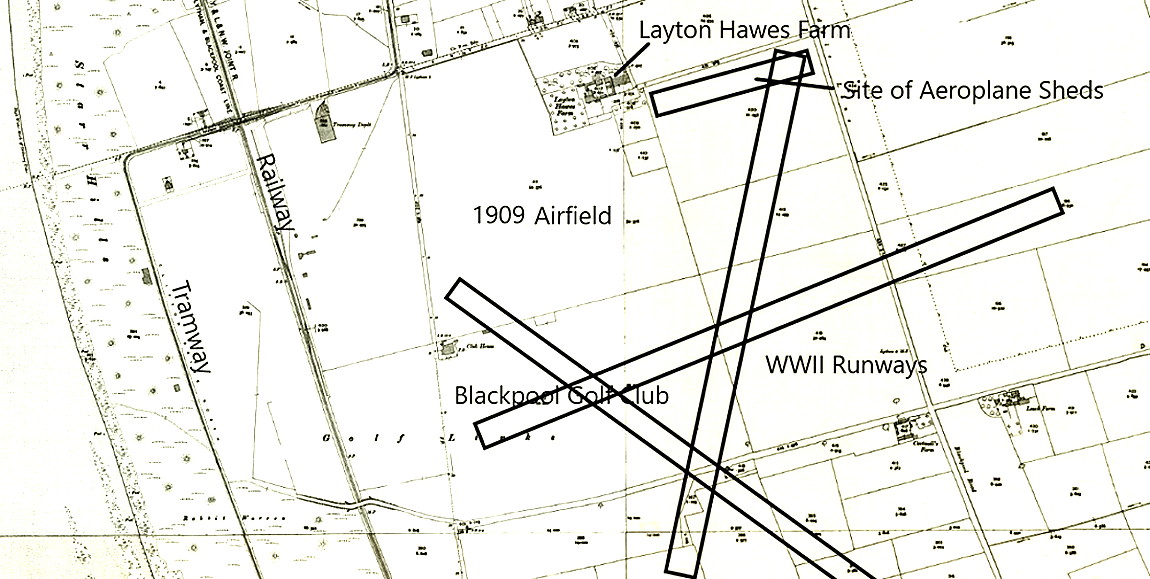
Location: Roughly 2.5nm SSE of Blackpool town centre and close to, (if not on), the present SQUIRES GATE site, then a horse racing circuit.
Period of operation: 18th to 23rd October 1909 and 28th July to 20th August 1910
A MICHAEL T HOLDER GALLERY (ONE)
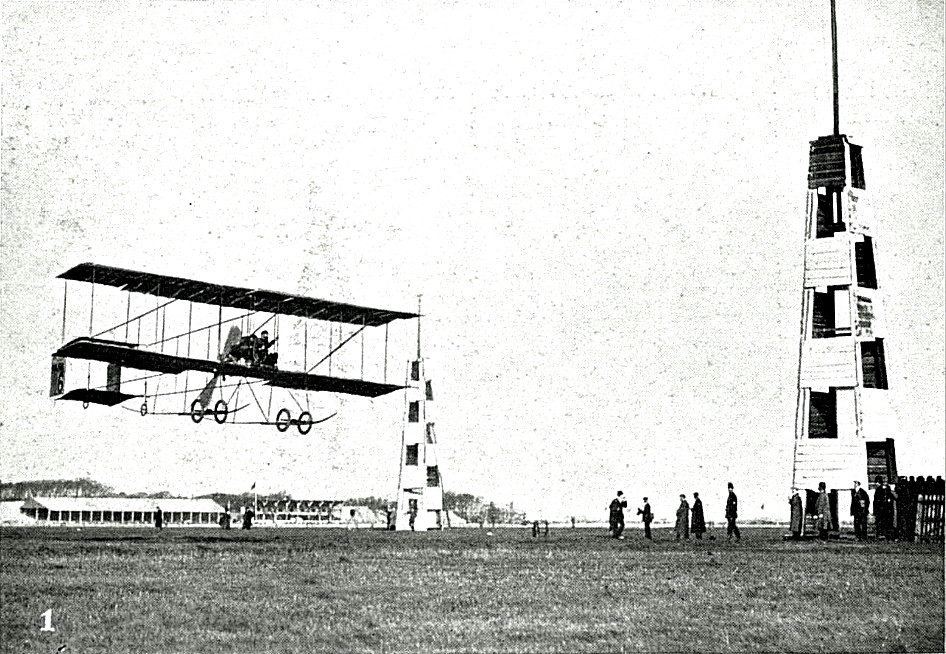
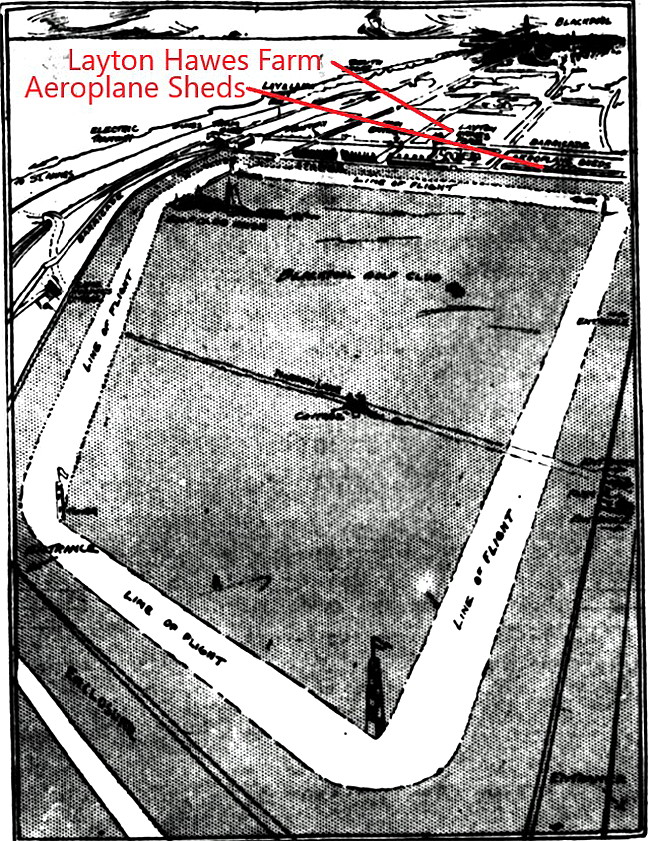
Note: The picture of the Farman is from the Illustrated Sporting and Dramatic News, 30th October 1909. The circuit diagram was published in the Liverpool Echo on the 18th October 1909.
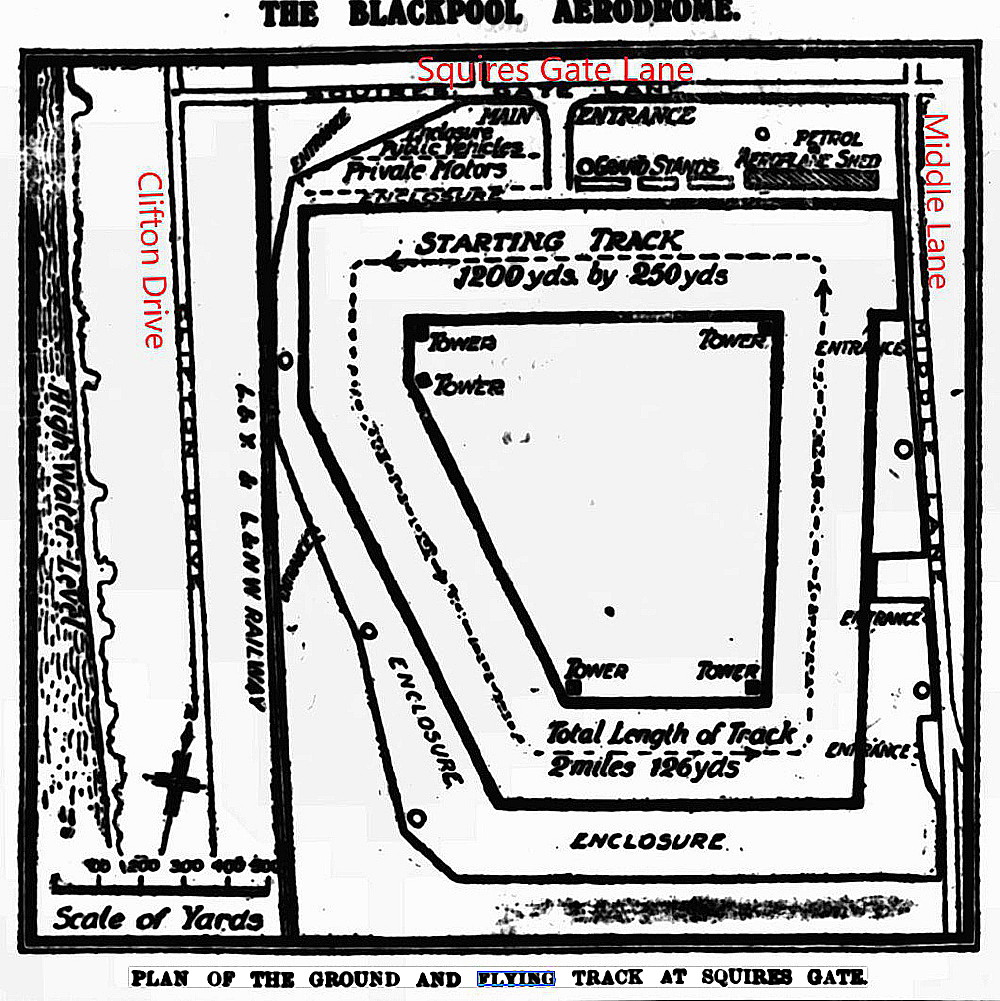
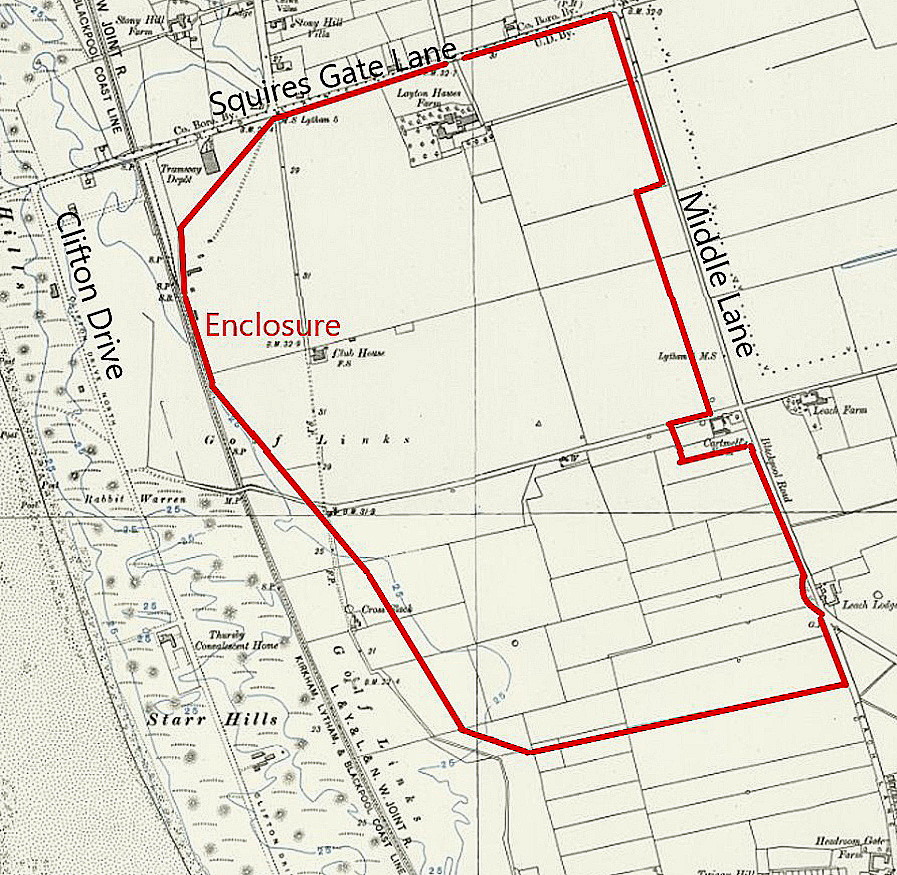
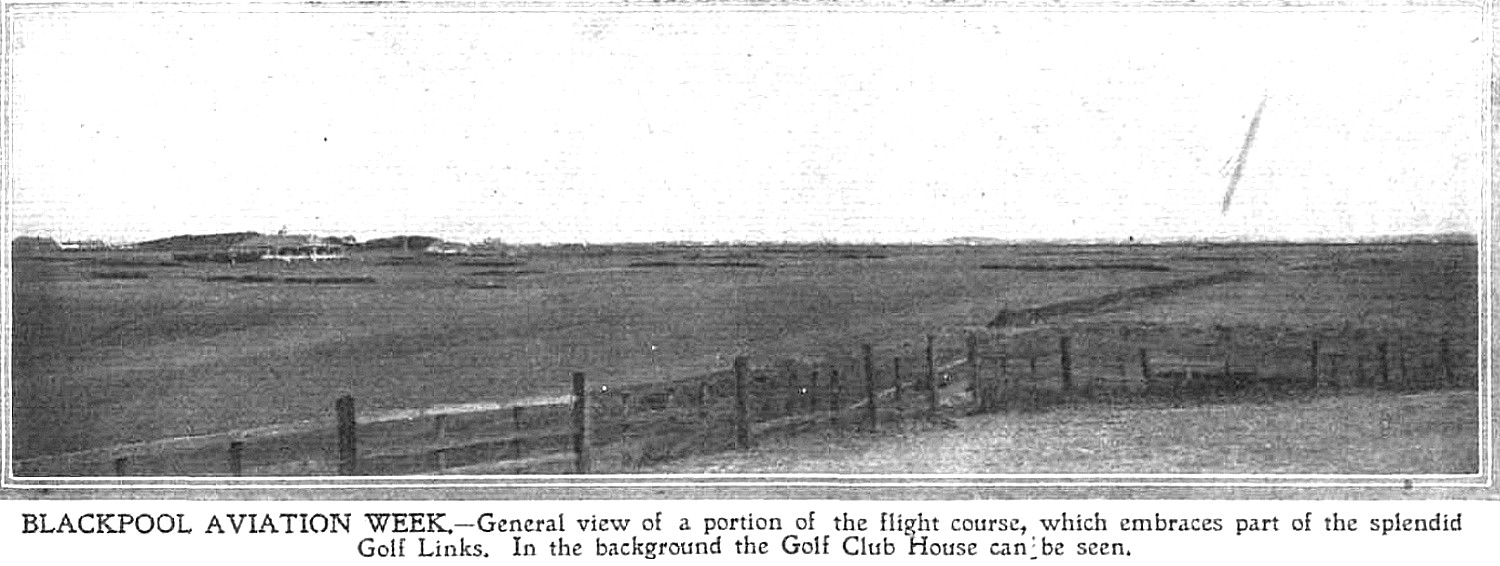
This local circuit map was published in the Fleetwood Chronicle on the 28th September 1909. The photo of the western side of the race course was published in Flight on the 18th September 1909.
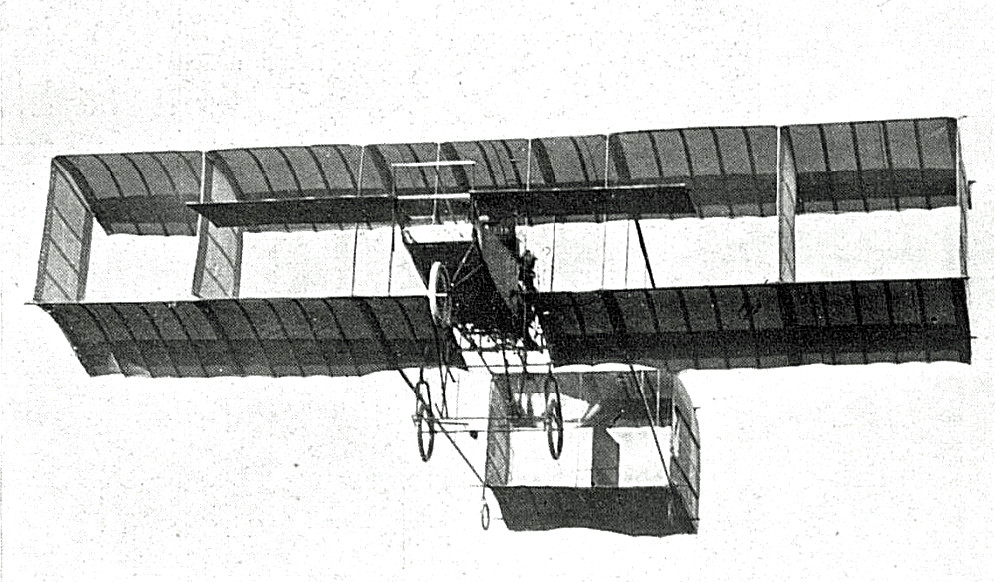

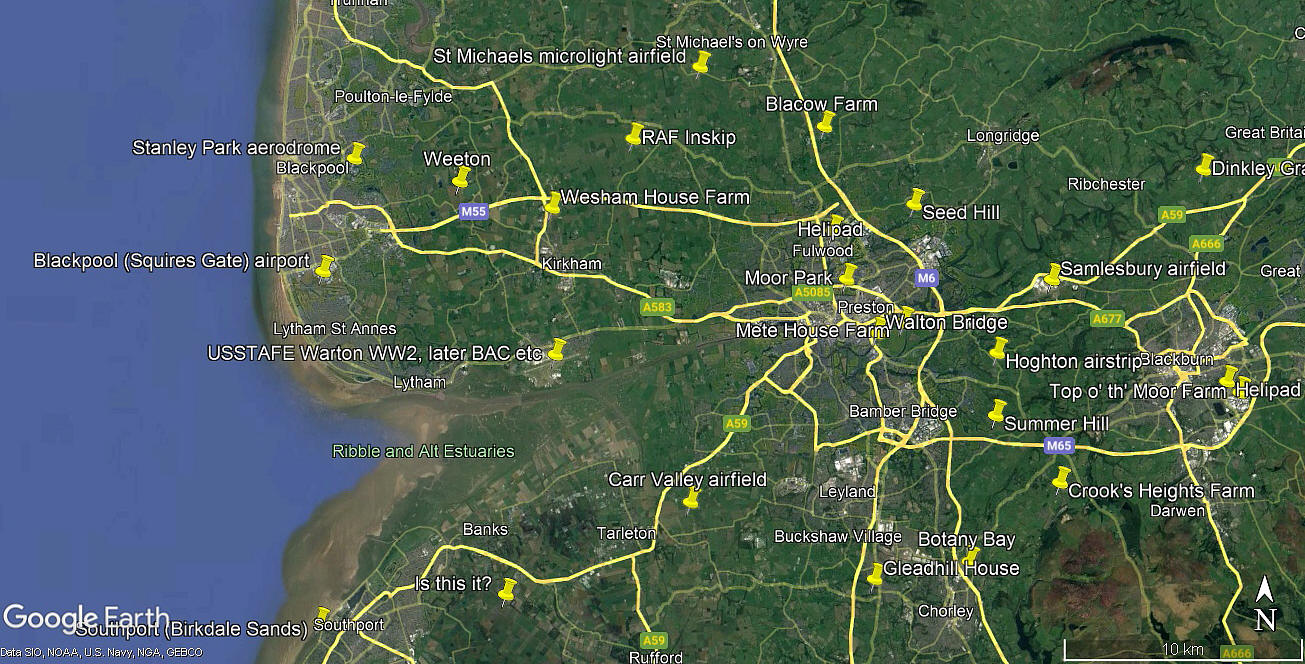
Note: The picture of Rougier flying is also from Illustrated Sporting and Dramatic News. The area view is from my Google Earth © derived database.
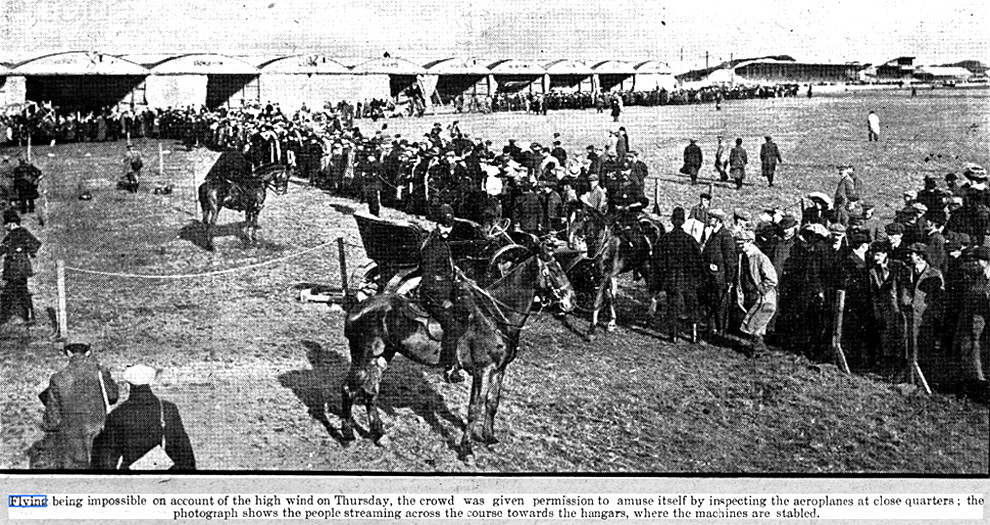
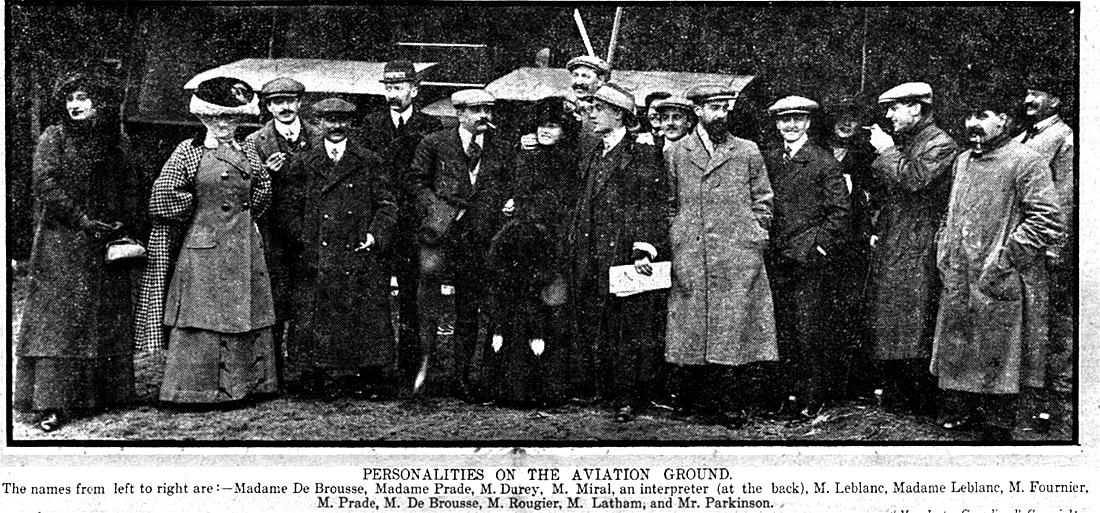
Note: Both of these items were published in the Runcorn Examiner on the 23rd October 1909.
NOTES: Some claim that BLACKPOOL was the first major British flying meeting/exhibition, (or air show), but DONCASTER also makes this claim if the dates of 15th to 23rd October are correct. Which it seems they certainly are, although in both cases I have found differing reports as to when each meeting ended. It seems that crowds of over 50,000 people attended, and possibly many more. It was a bureaucratic cock-up to say the least and the pilots were unwitting victims. (Does nothing ever change?) The pity was it divided the few available pilots and machines between the two venues. Therefore both events could not even attempt to rival the hugely successful event previously held at Reims in the last week of August in 1909. Another bungled British affair!
BLACKPOOL WAS OFFICIAL
The BLACKPOOL meeting was officially sanctioned whereas the DONCASTER meeting was officially banned by the Aero Club, (later Royal Aero Club), which had authorisation from the FAI (Fédération Aéronautique Internationale). The problem was that most of the pilots participating at DONCASTER had already signed contracts before the ruling was made, placing them in a very difficult situation. All the pilots at DONCASTER decided to stay and fly despite being angry and frustrated.
The stakes some of the pilots risked for flying at DONCASTER were very high. For example according to an account from C C Turner; “Cody became furious. None of them submitted; and even Cody, to whom the ban would have meant disqualification in the London-Manchester contest for a prize of £10,000 for which he meant to enter, risked it.”
THE OVERALL WINNER
The overall winner was Henry Farman who won most of the events, gaining £2.400 in aggregate - a very substantial sum in those days. Also, his longest flight of 48 miles became a British record. It is often assumed that Henry Farman was French, because he had lived a long time in France and his aircraft were designed and built in France. He was in fact born in Britain although he certainly saw himself as being essentially French.
As Harald Penrose points out in his most excellent book, British Aviation - The Pioneer Years, first published in 1967: "Any doubt of the British nationality of Farman is disposed by an announcement in the London Gazette of September 1909: 'The King has been pleased to give and grant unto Henry Farman, Esquire, His Majesty's royal license and authority to accept and wear the Cross of Chevalier of the Legion of Honour conferred upon him by the President of the French Republic in recognition of the valuable services rendered by him'." So, there you have it.
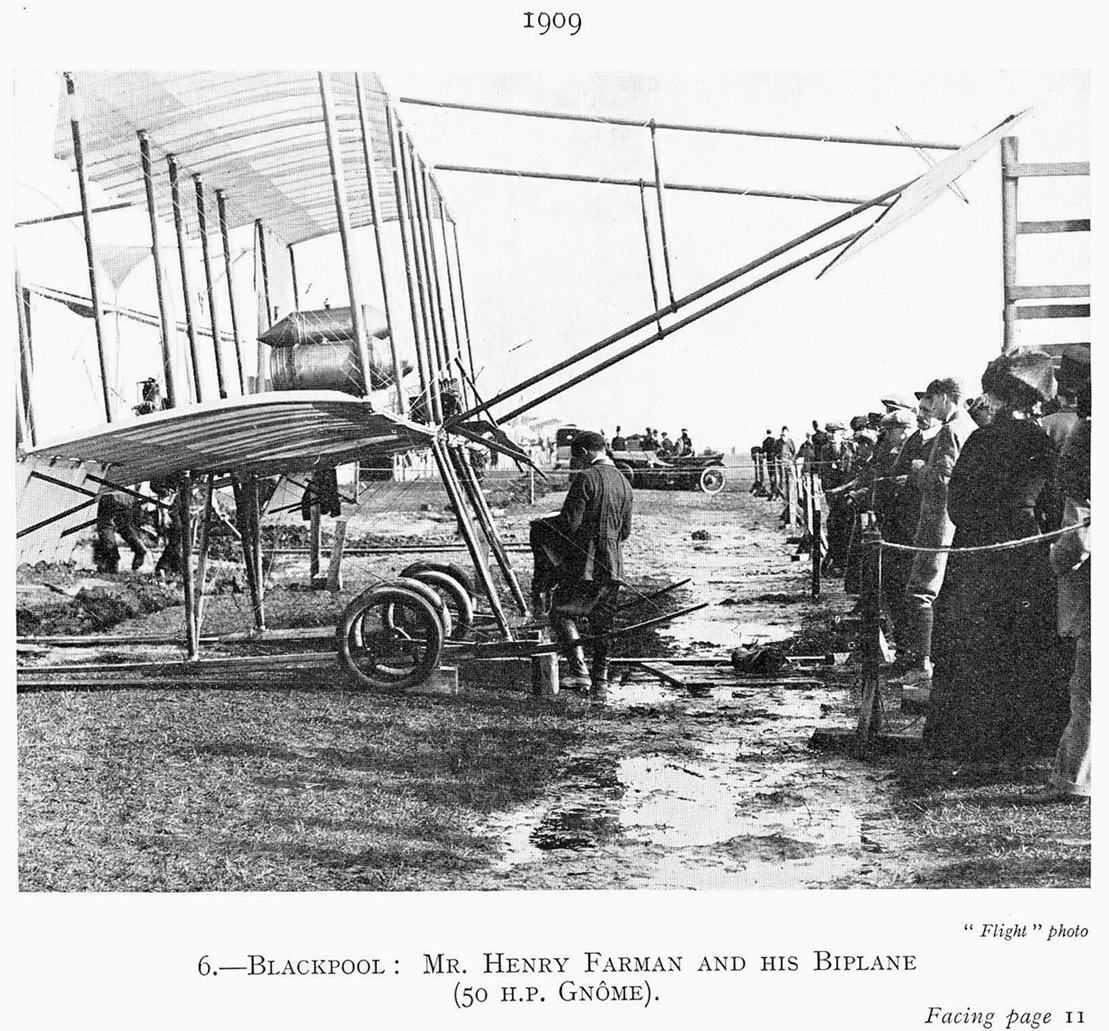
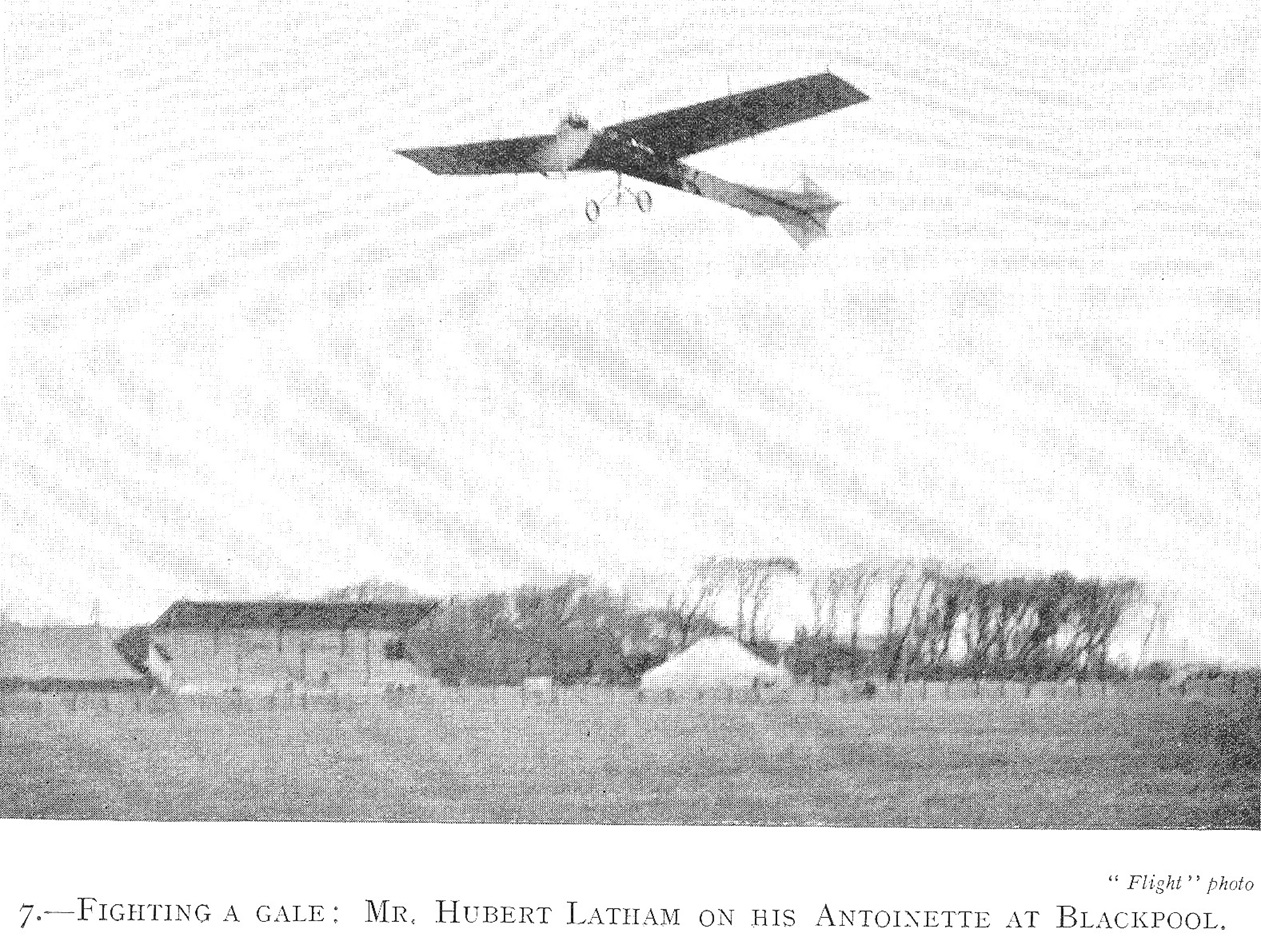
These two pictures were scanned from The History Of British Aviation, 1908 to 1914, by R Dallas Brett.
ANOTHER BID
What I suspect is not generally known is that a group of Carlisle businessmen had elected to use Burgh Marsh as a suitable site for hosting this event, hoping to host the first major UK flying exhibition. It seems hard to understand why these two events were planned to take place almost simultaneously. The main feature of boths events though, was the total absence of any British designed aircraft.
AN EARLY MEMORABLE FLIGHT
It was from here that, on August 10th 1910 Claude Graham-White set off, desperately needing an extra 8 miles to overtake Louis Paulhan to claim the £1000 Daily Mail prize for the highest mileage cross-country flight. After initially landing at the Fleetwood Army Barracks for further “instructions as to my directions” he ended up in Barrow-in-Furness near the not yet complete airship shed. After a ten minute stay to get his papers signed he returned to “SQUIRES GATE”. His account makes for fascinating reading as throughout he encountered what is still so typical today for so many low-level VFR flights. Poor visibility.
A MICHAEL T HOLDER GALLERY (TWO) - BLACKPOOL AIR CARNIVAL
When Mike Holder sent me this huge amount of material to illustrate this event, the first thing I did was to look and see what I already had listed. To my utter amazement I had nothing! Not a bean, zilch. So how on earth, after over a quarter of a century of research for this 'Guide', had I found no mention of this major event which had received so much press attention at the time? Answers on a postcard please, addressed to: Home For The Bewildered, West London.
The next problem was how to lay the listing out? Line after line of newspaper articles, then a bunch of pictures, would no doubt look a dismal prospect for readers, so being a pilot and ex-truck driver, I decided to cheat. The text items are all in chronological order, the pictures being added in an ad-hoc manner to hopefully make the result more interesting to look at.
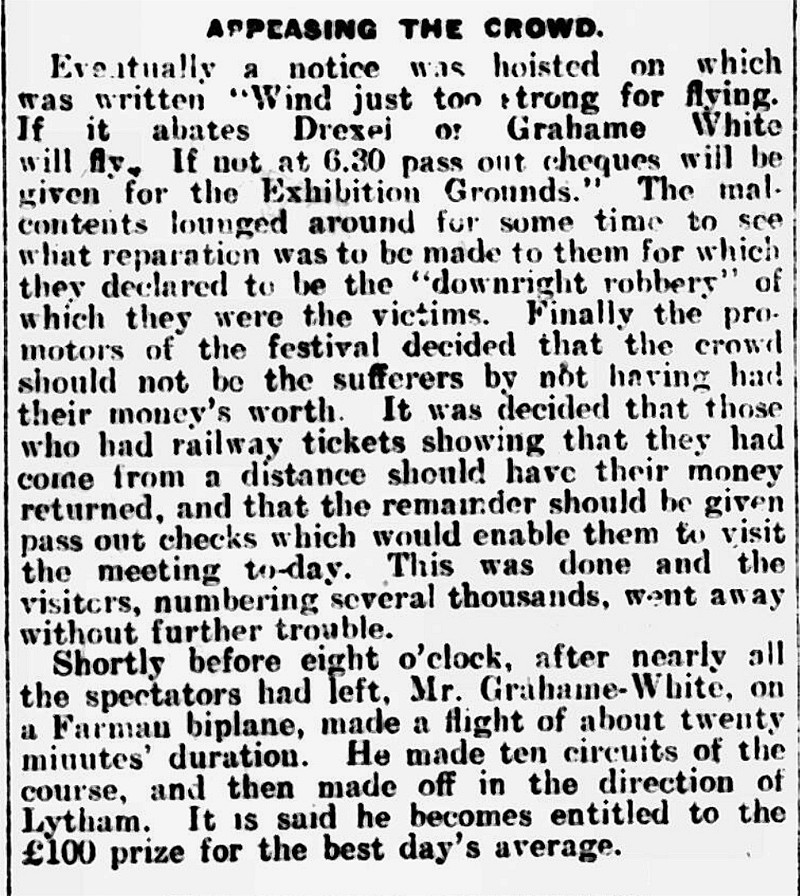
The one aspect of this event that I found very interesting, was that a main part of the failure of this event was the abysmal summer holiday weather. No warnings of global warming in those days, for a very good reason of course. As we are marooned on our green and septic isle anchored in the eastern reaches of the Atlantic, bouts of huge storms have battered our shores from before written records came along. And no doubt will continue to do so.
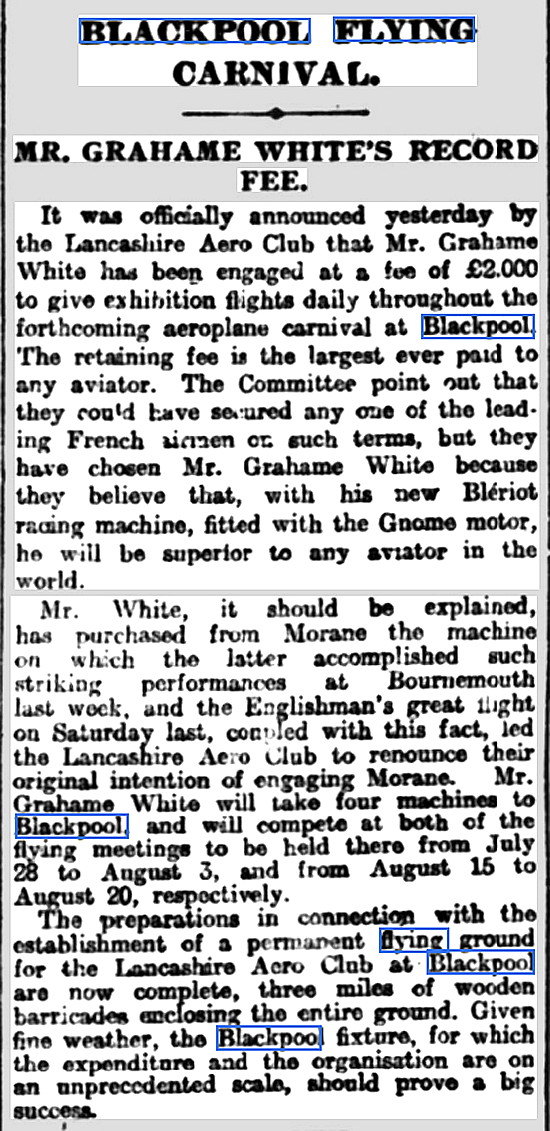
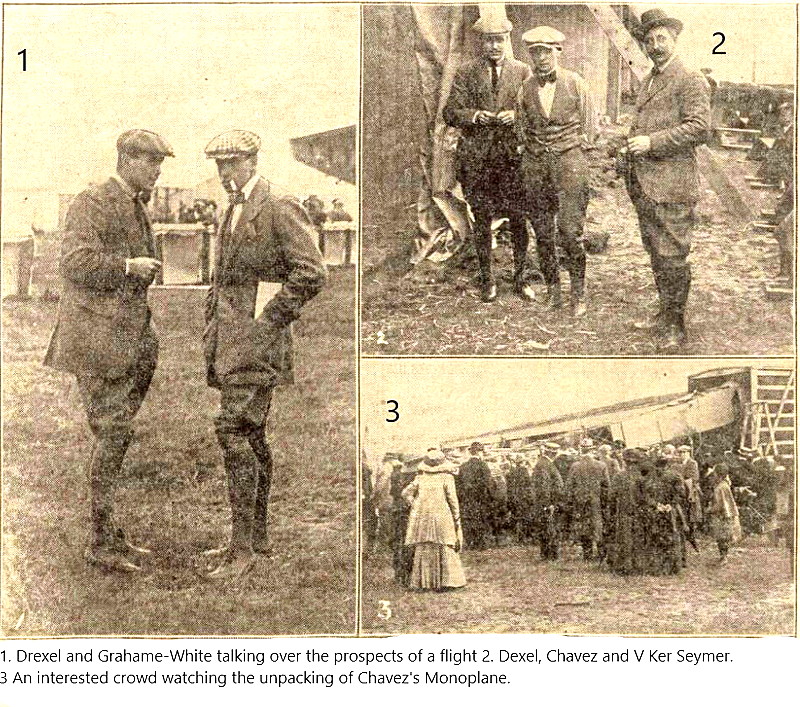
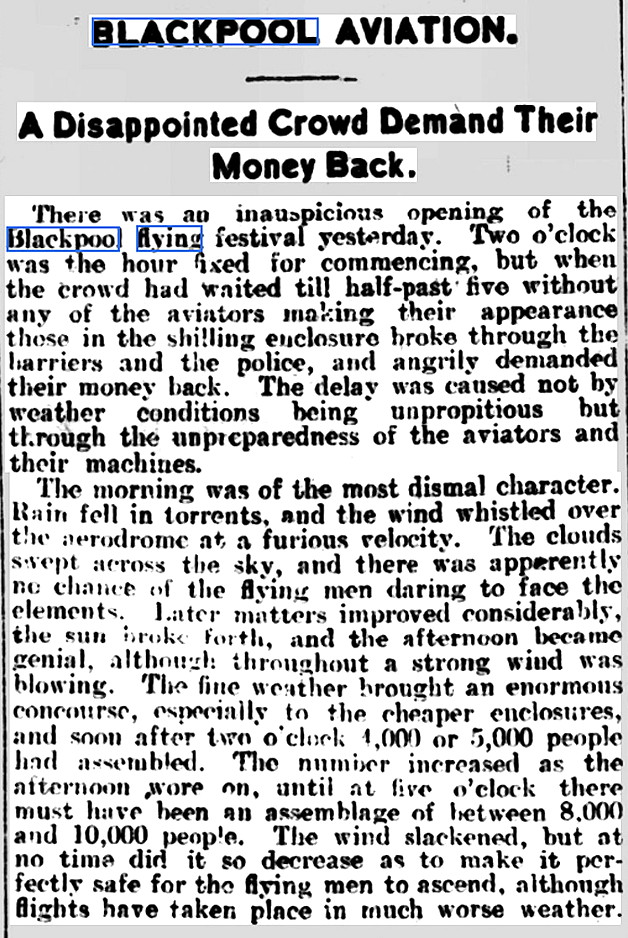
Article One was published in the Evening Irish Times on the 19th July 1910. The Photos One were published in the Lancashire Evening Post on the 29th July 1910. Article Two, in two parts, was published in the Newcastle Evening Chronicle on the 29th July 1910.
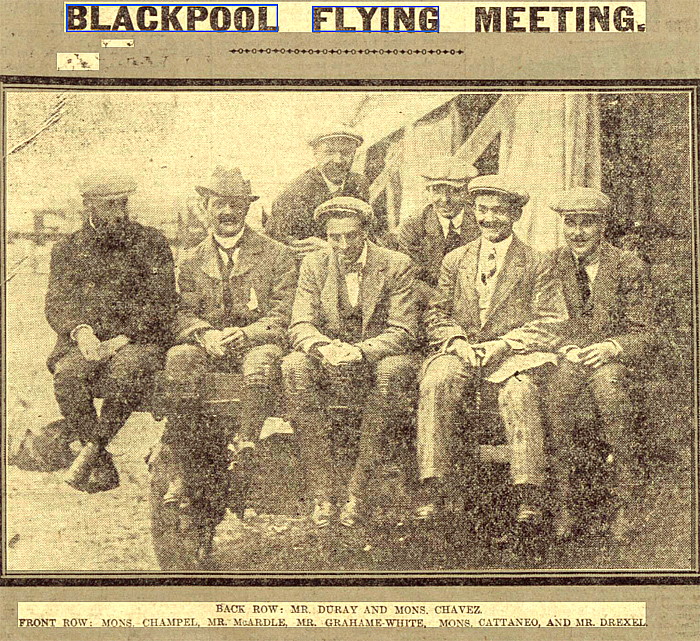
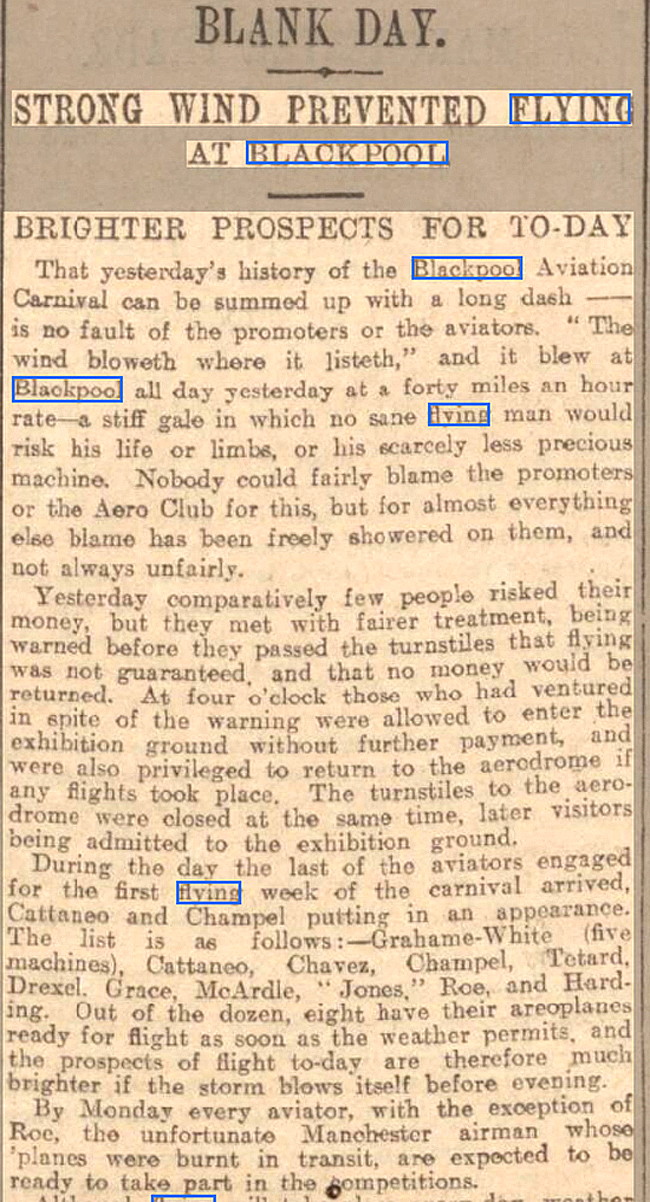
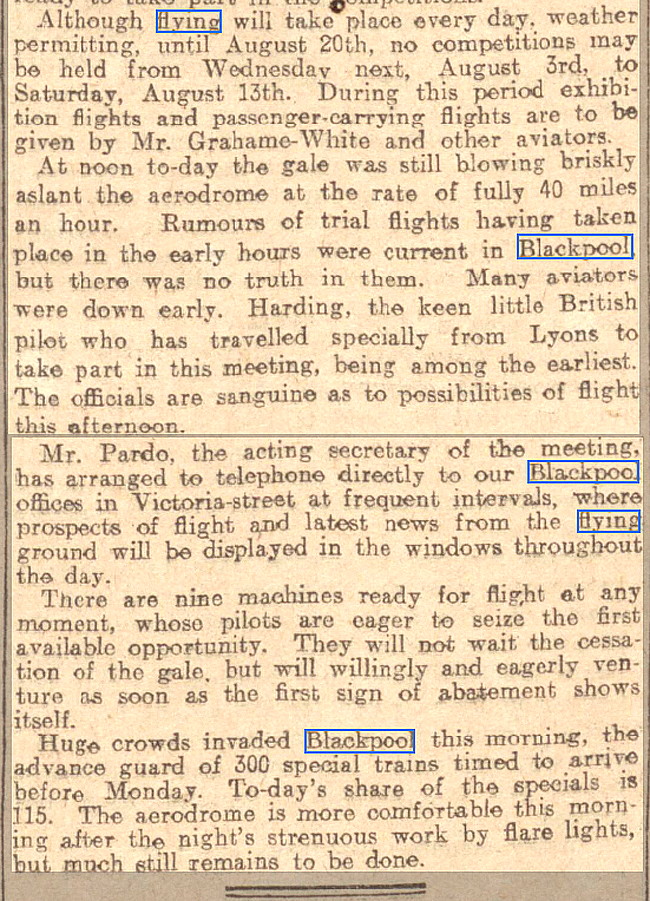
These three items were published in the Lancashire Evening Post on the 30th July 1910.
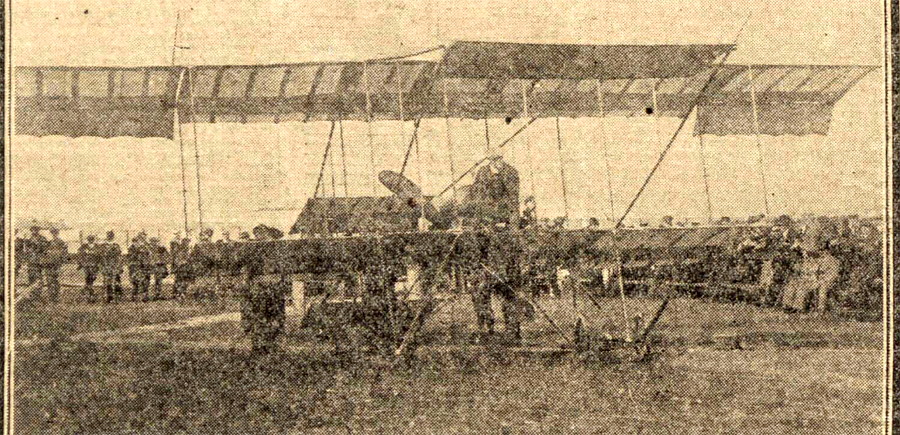
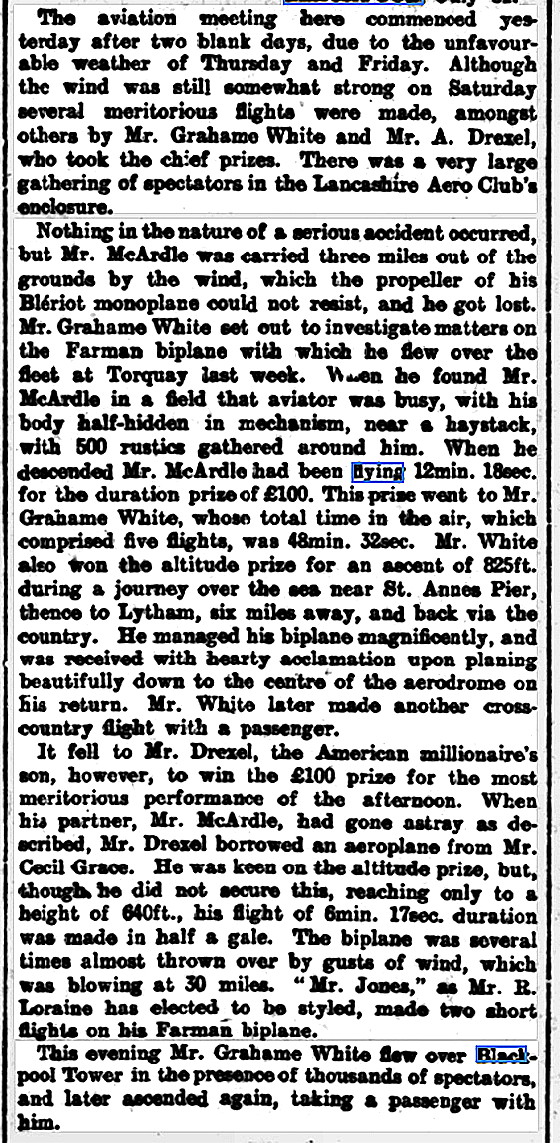
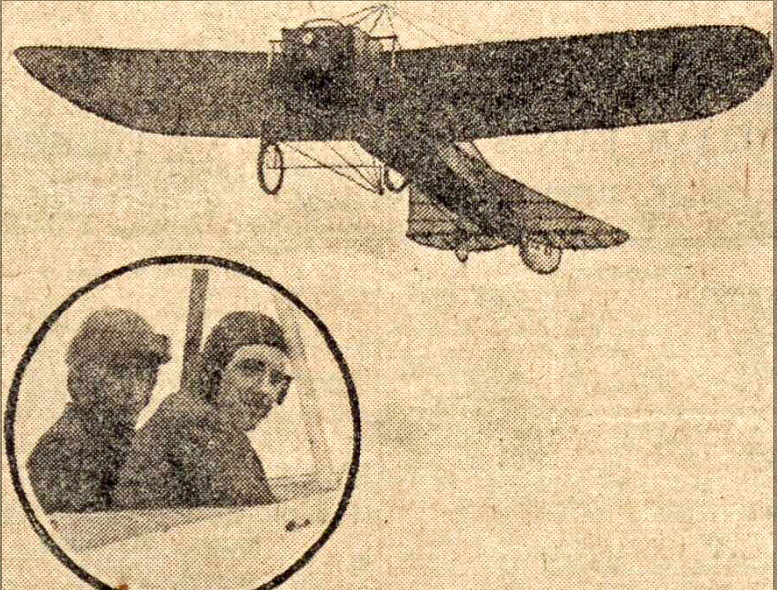
Photo Three of "Mr Jones" biplane was also published in the Lancashire Evening Post on the 30th July 1910, as was Photo Four of Drexel and Grace, but on the 2nd August.
Article Four was published in the London Evening Standard on the 1st August 1910.
THE NEWCASTLE EVENING CHRONICLE REALLY GO TO TOWN ON THIS EVENT
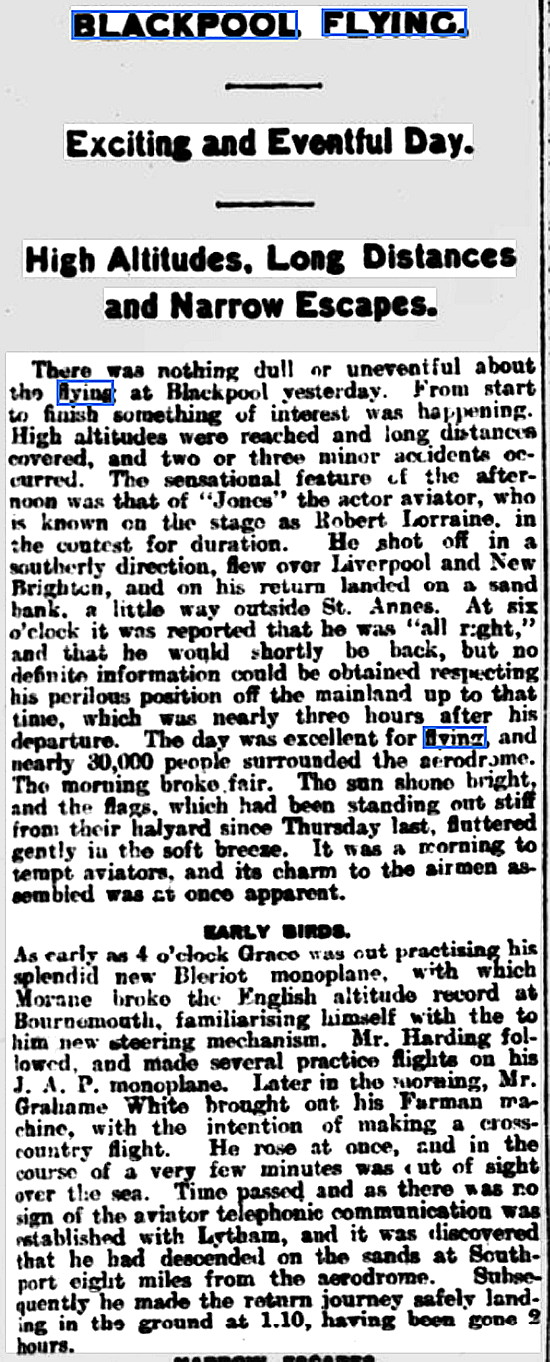
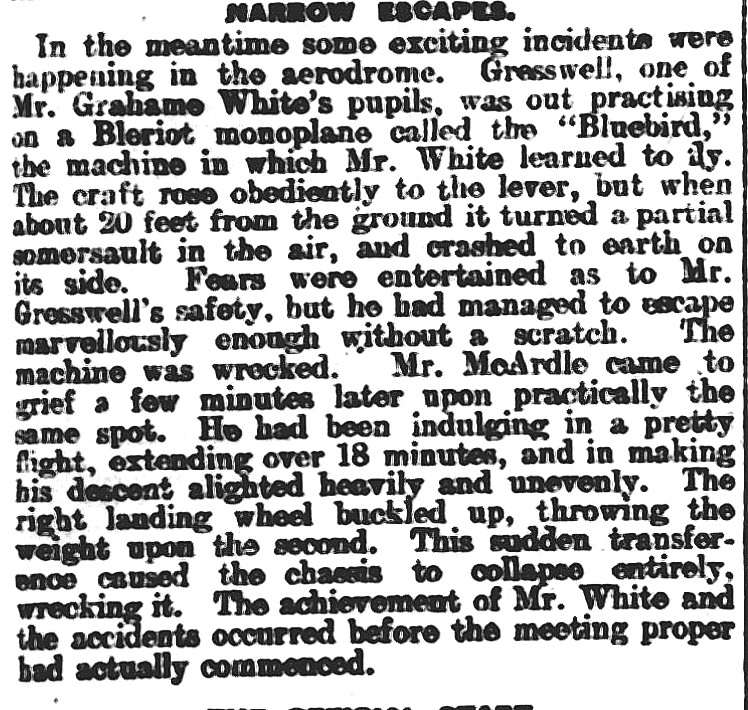
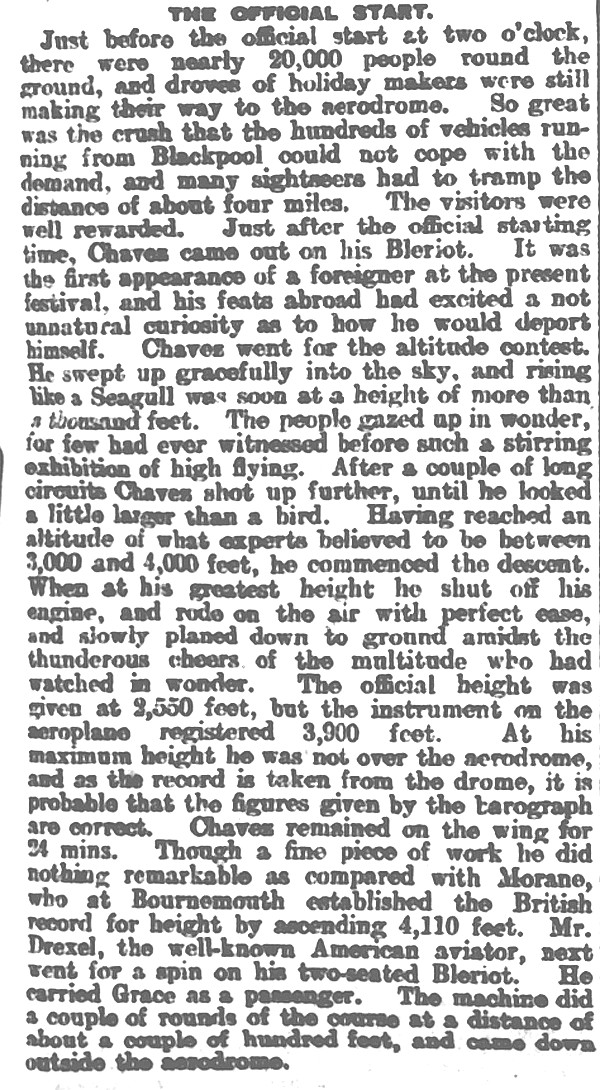
This article in six parts was published on the 2nd August 1910.
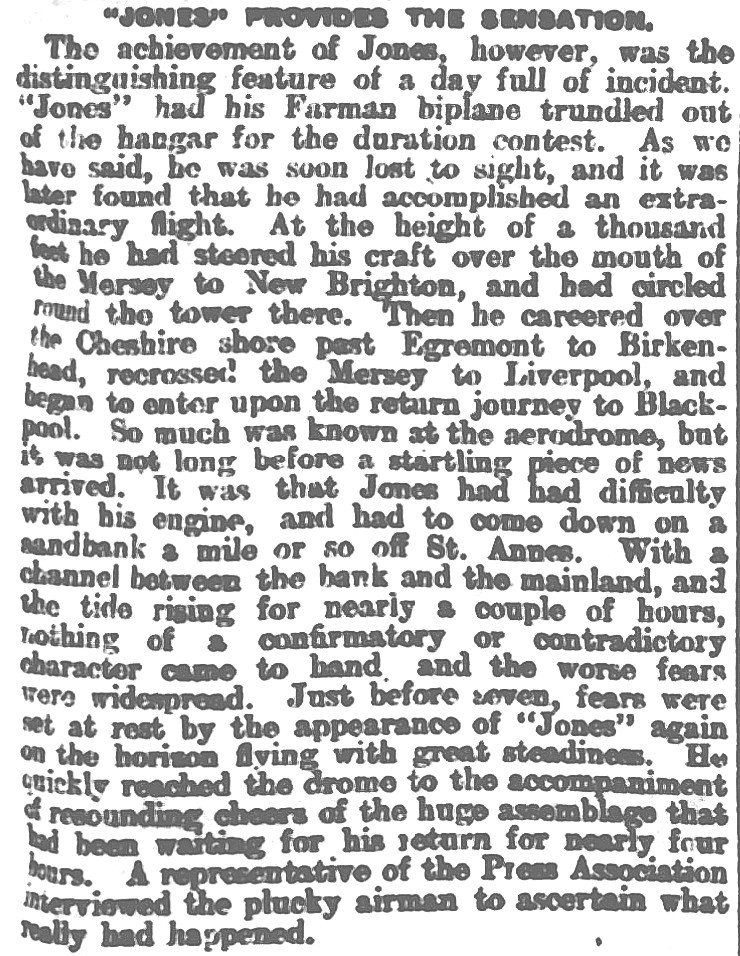
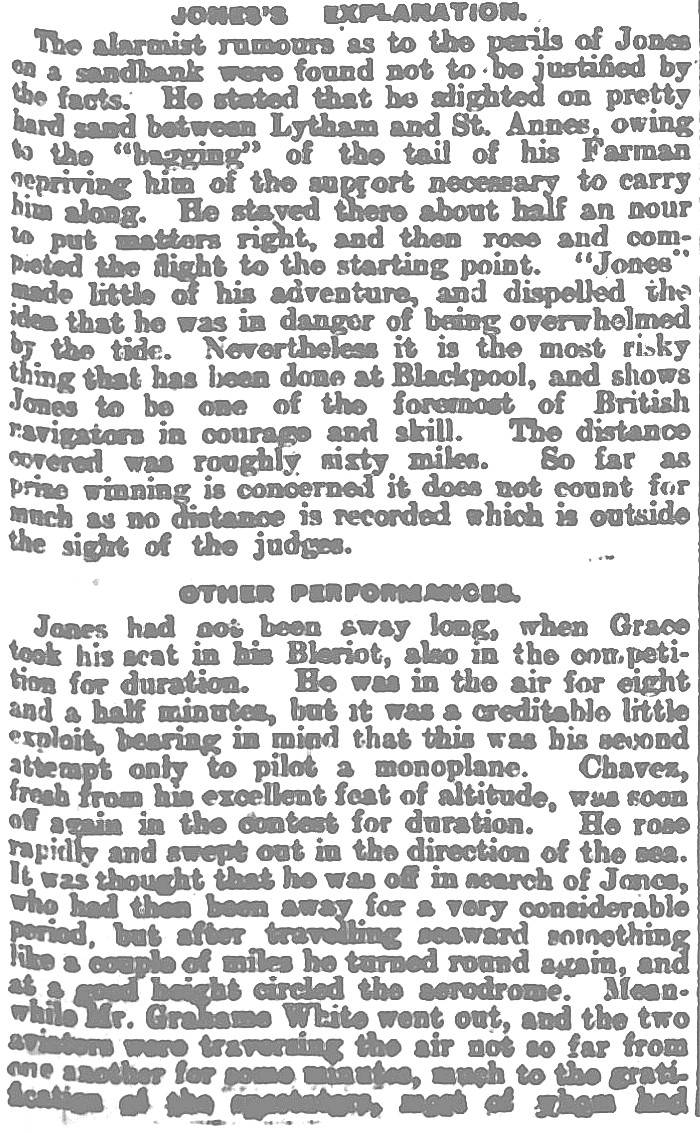
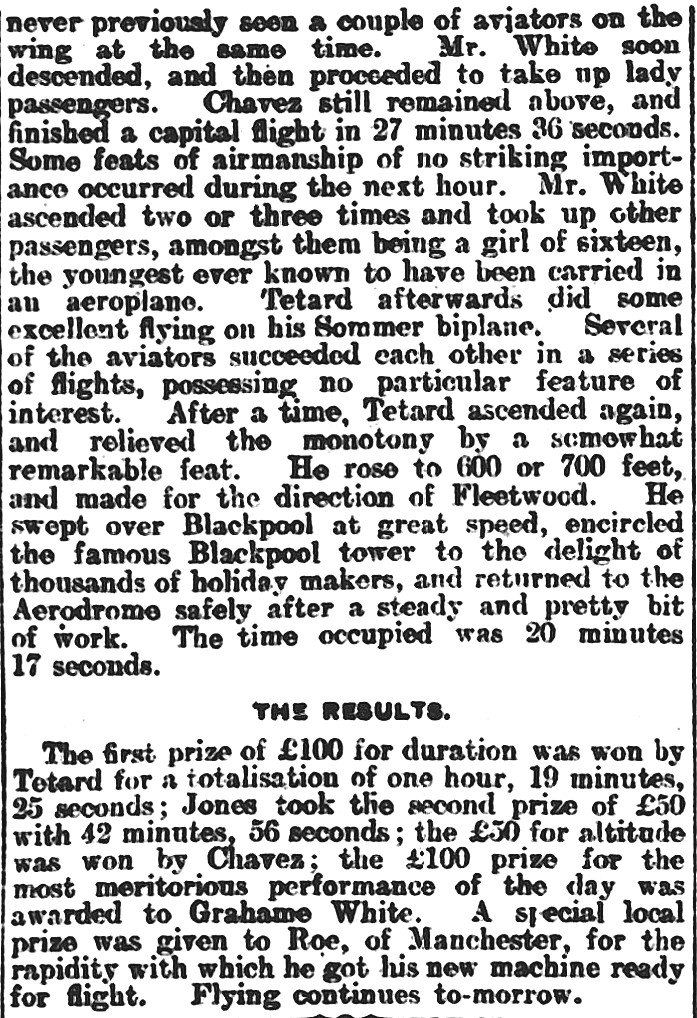
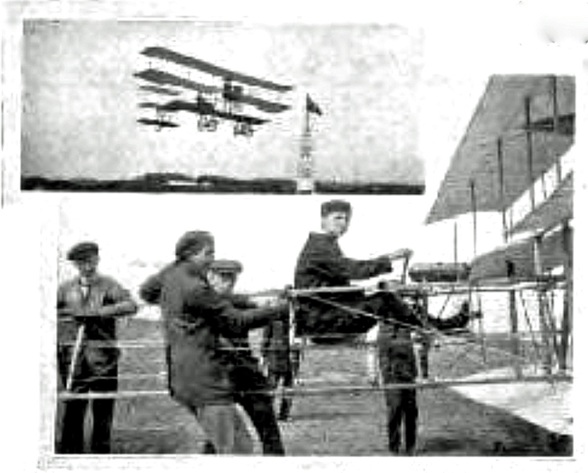
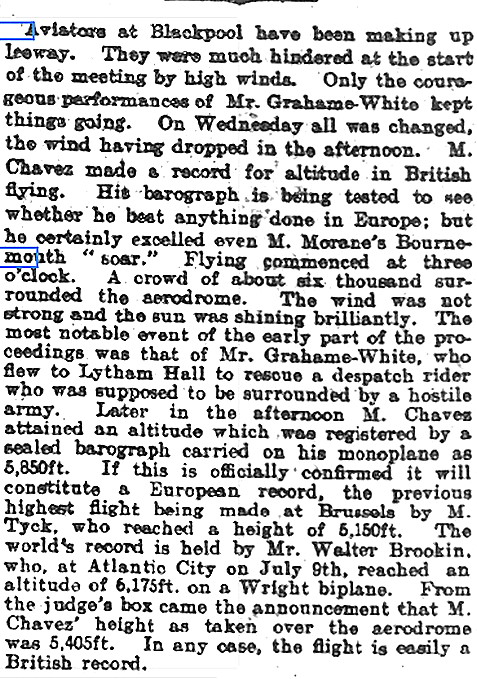
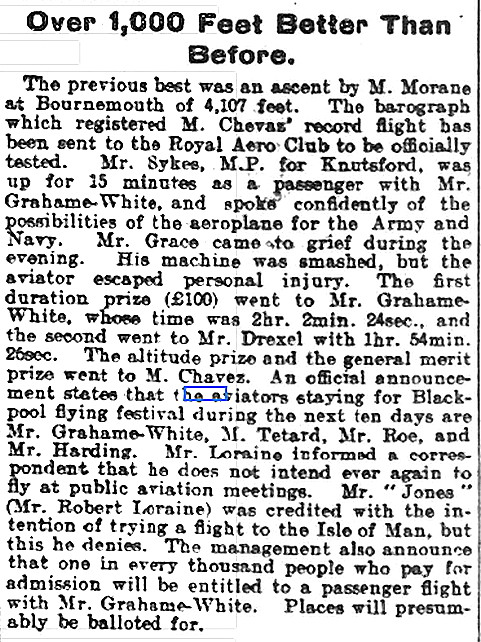
Photo Five is from Flight, 20th August 1910. Article Six, in two parts, was published in the Bolton Evening News on the 4th August 1910.
SUMMER HOLIDAY WEATHER AND 'FREELOADERS'.
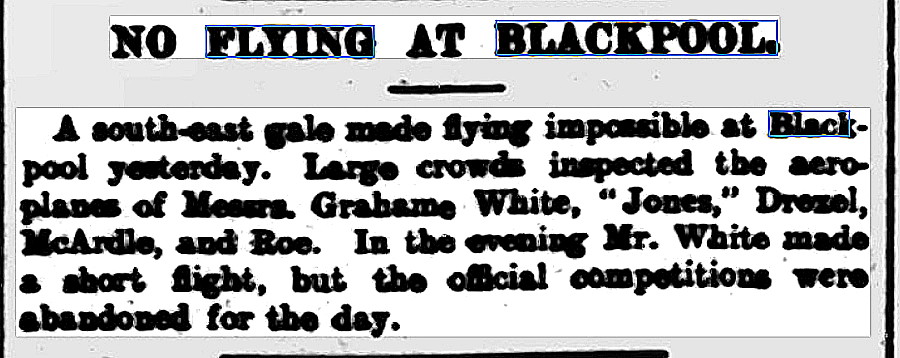
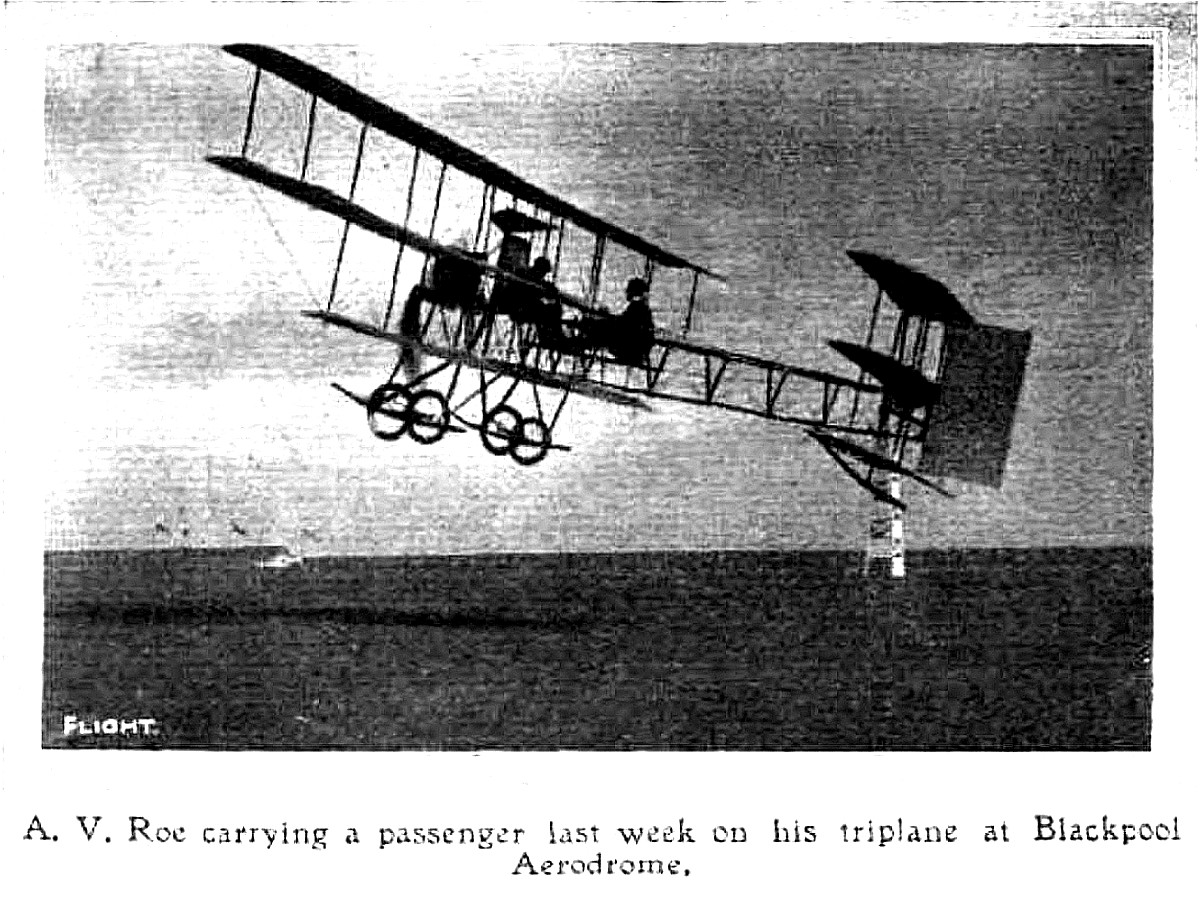
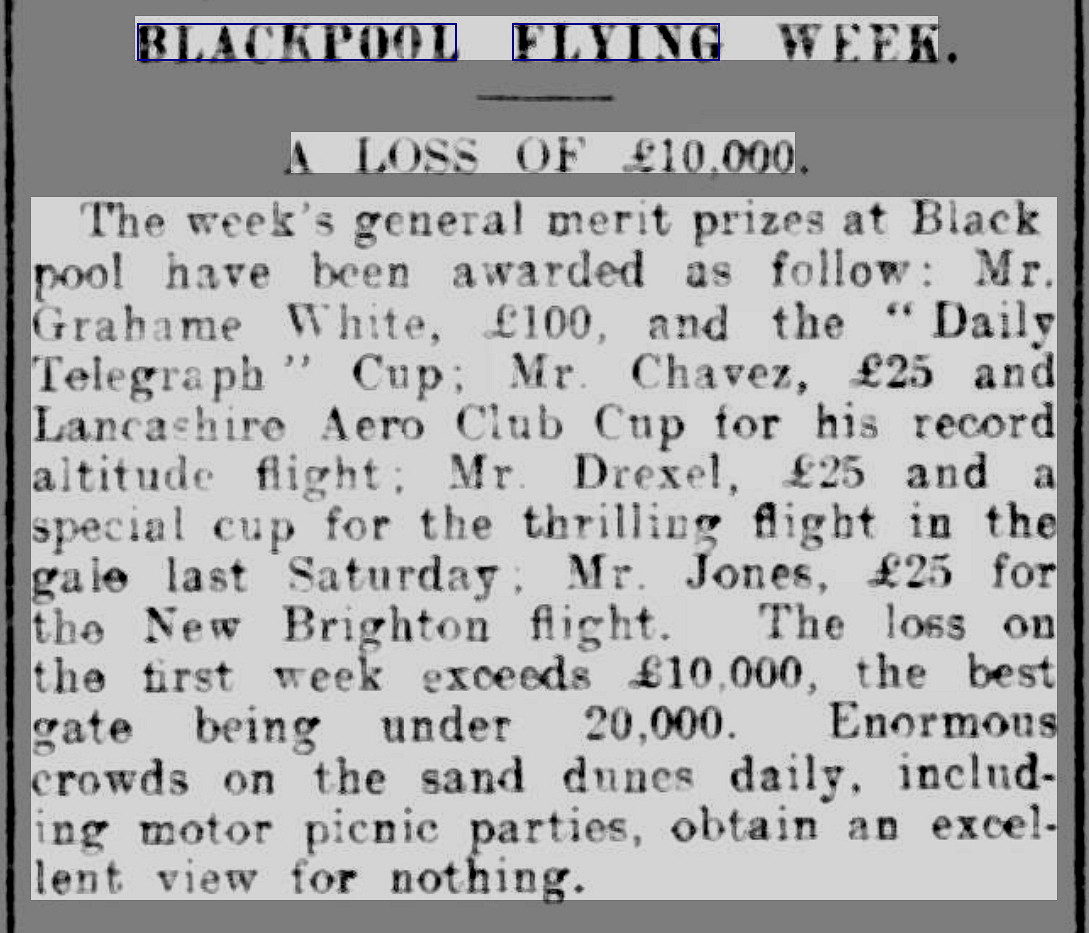
The Notice was placed in the London Evening Standard on the 3rd August. Photo Six is from Flight, but on the 13th August.
The Short article One was published in the Hartlepool Northern Daily Mail on the 5th August 1910.
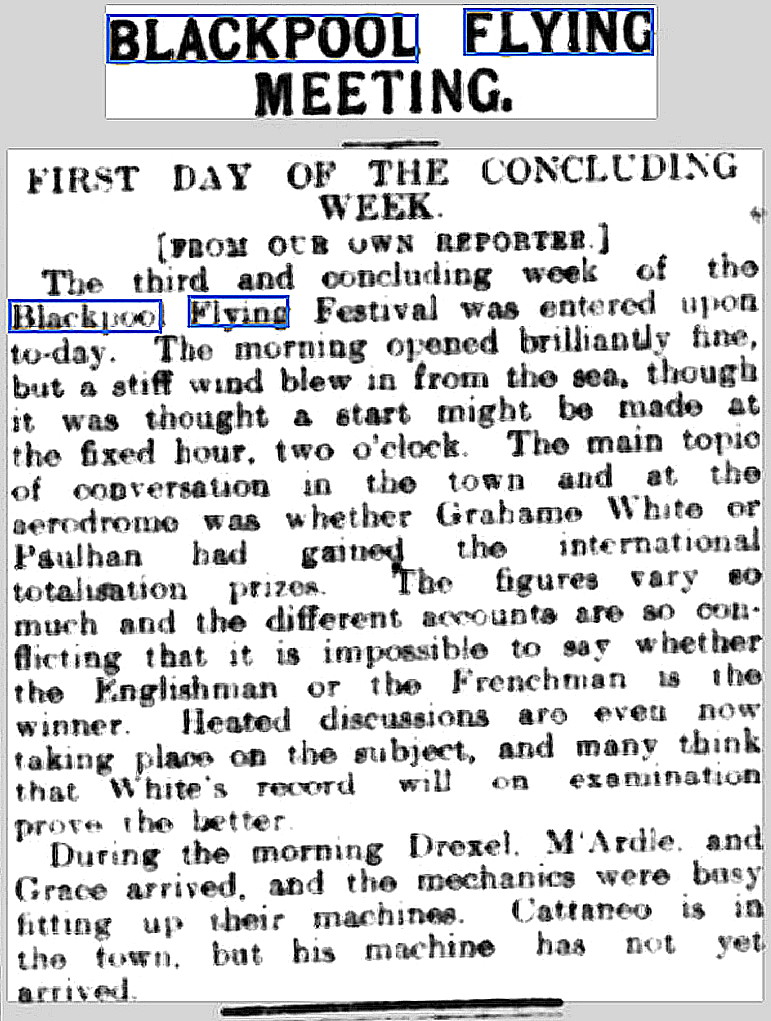
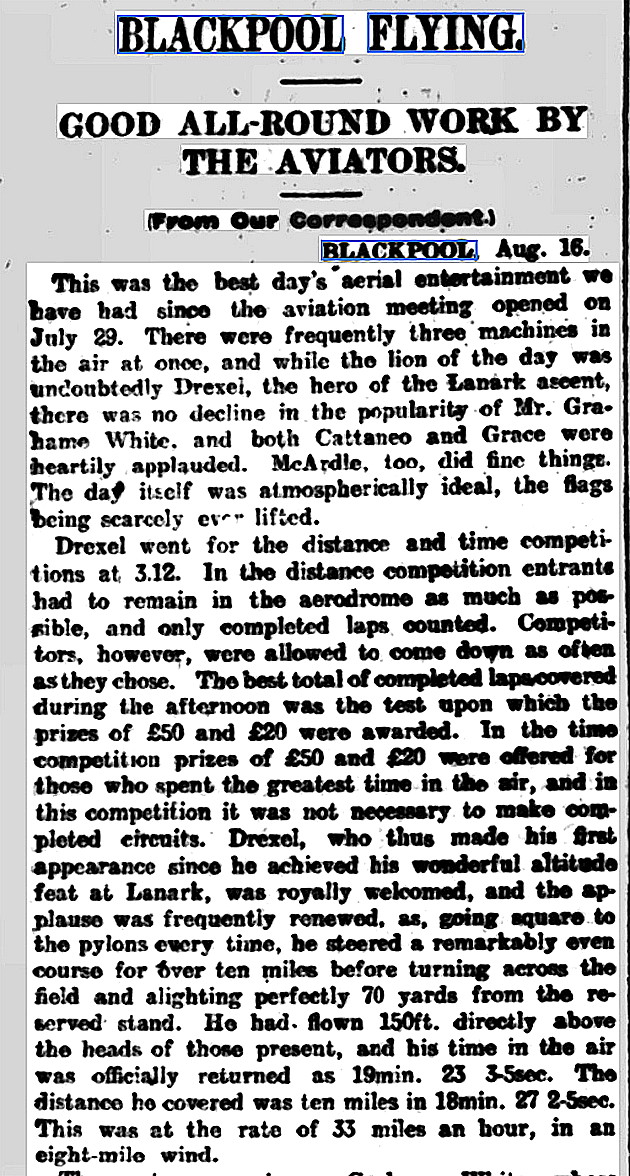
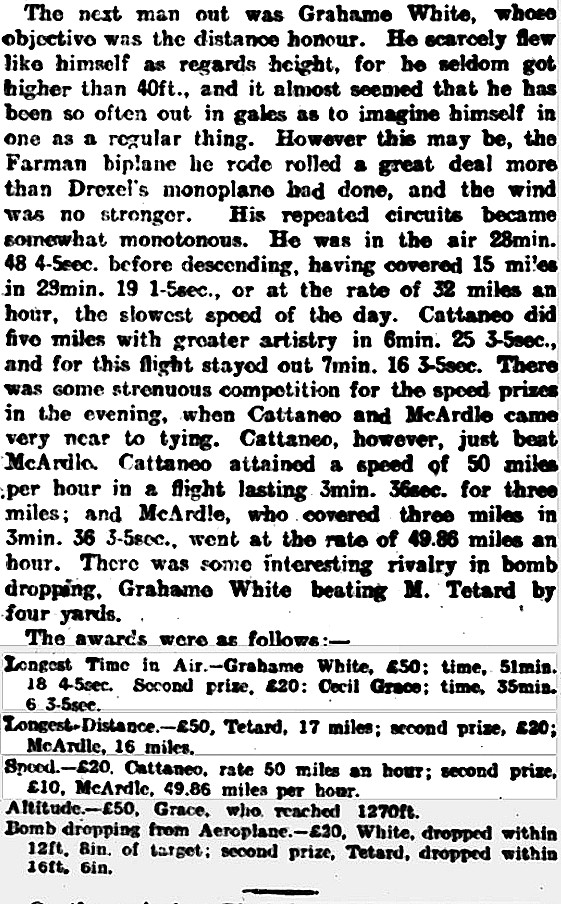
Article Seven was published in the Liverpool Echo on the 15th August. Article Eight, in two parts, was published in the London Evening Standard on the 17th August 1910.
SOME FAVOURABLE WEATHER (ISH?) FOR THE FINAL WEEK
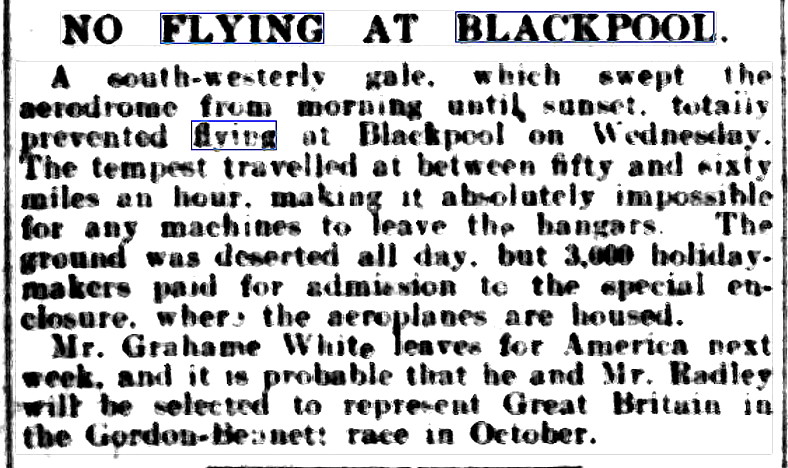
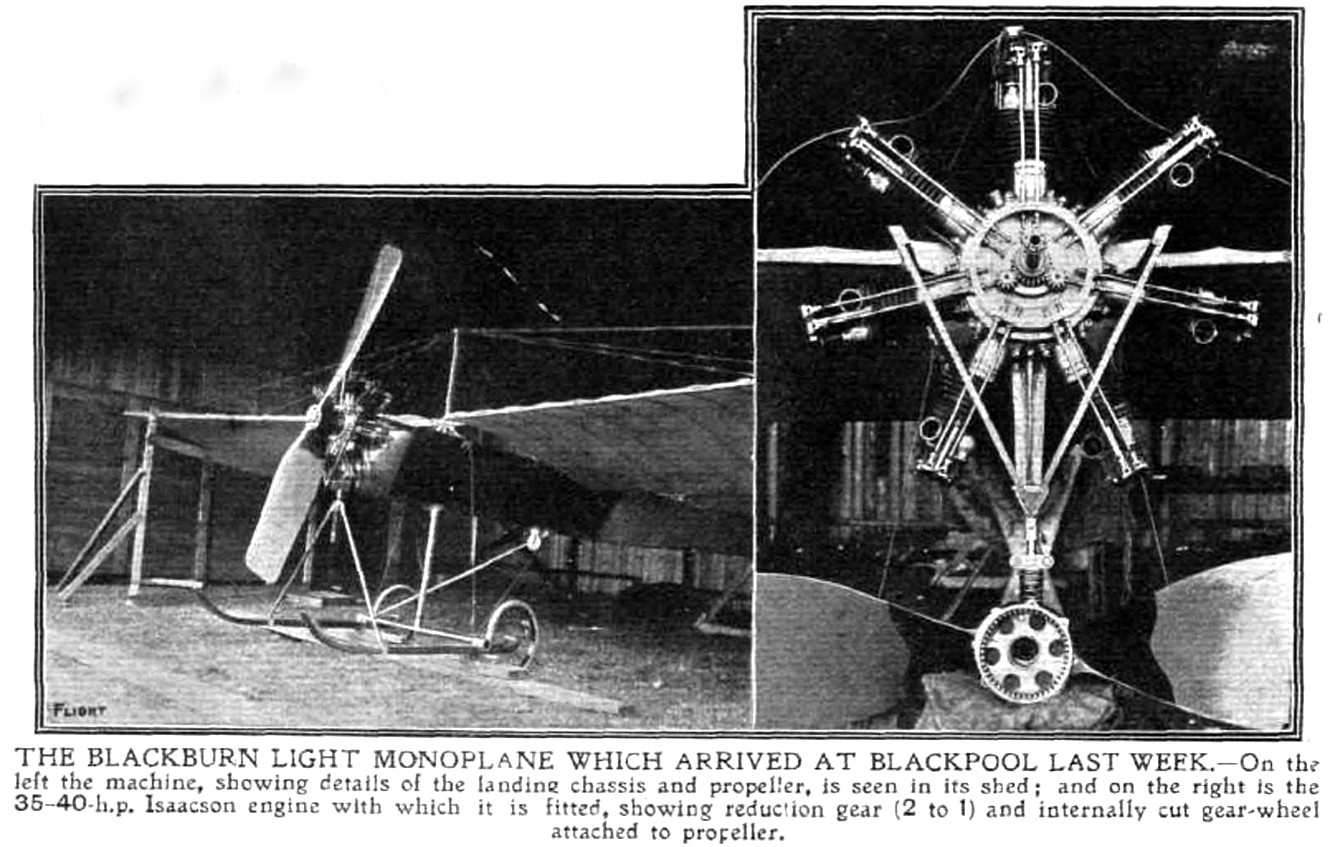
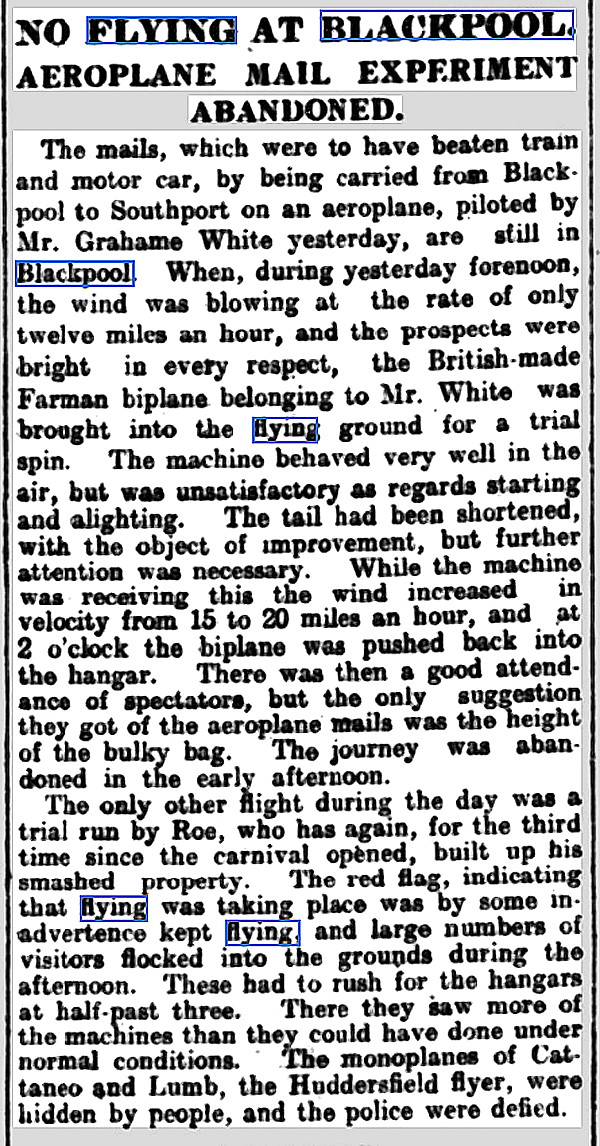
The Short article Two appeared in the East Anglian Daily Times on the 18th August. Photo Seven is also from Flight, 20th August. Article Nine was published in the Evening Irish Times on the 19th August 1910.
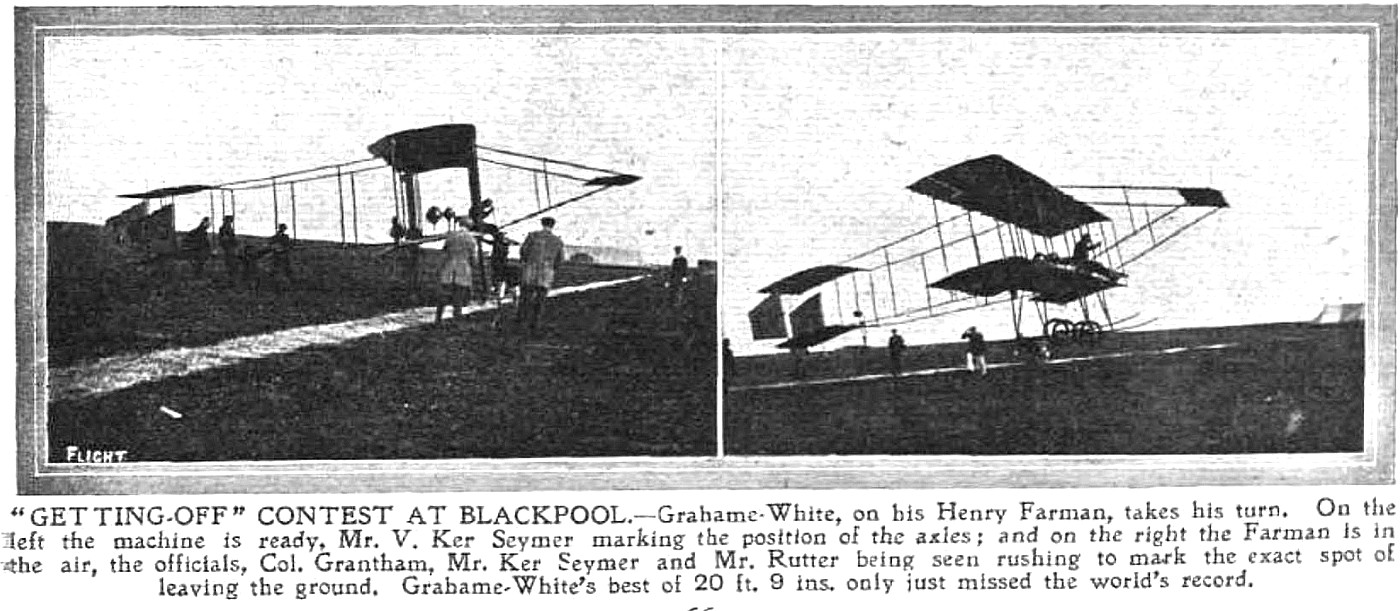
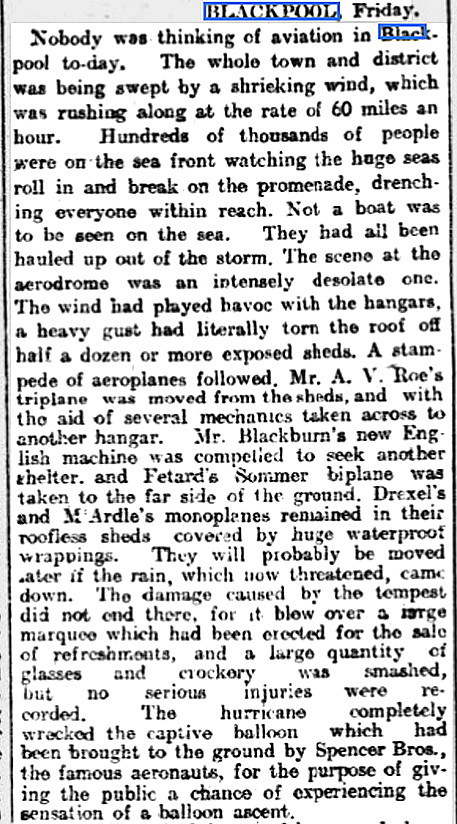
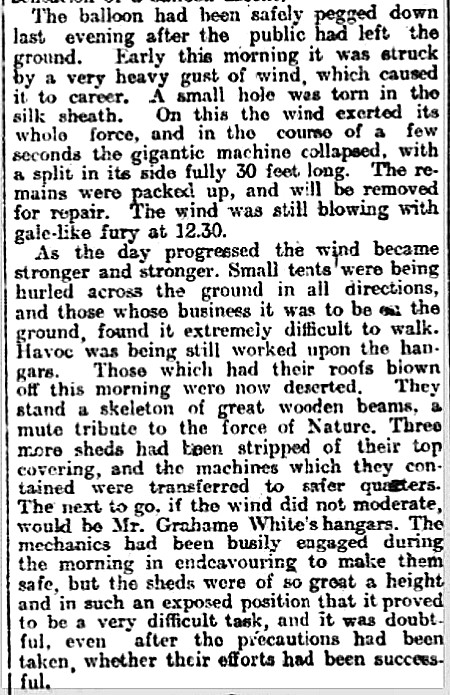
Photo Eight, Flight 20th August. The Article Ten, in two parts, was published in the Dublin Daily Express also on the 20th August 1910.
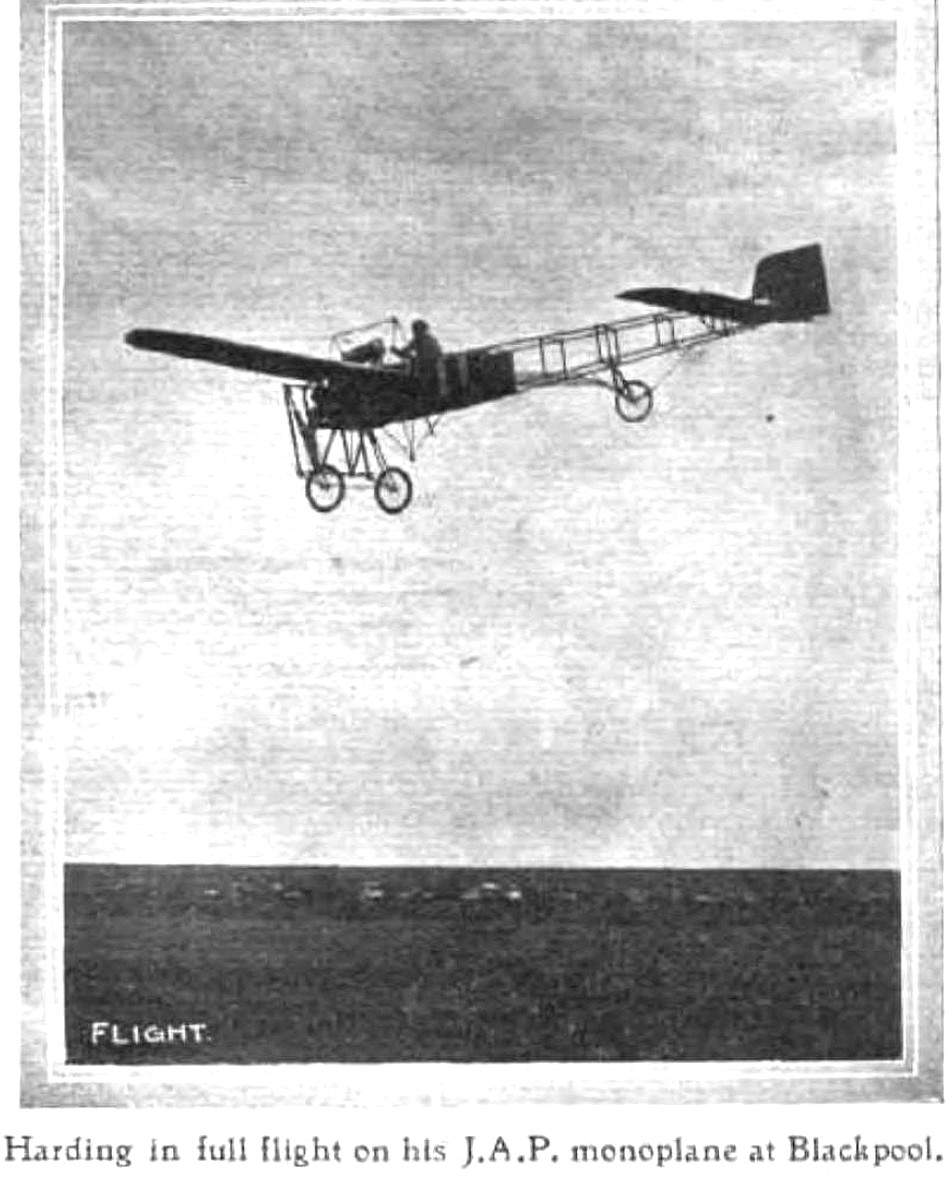
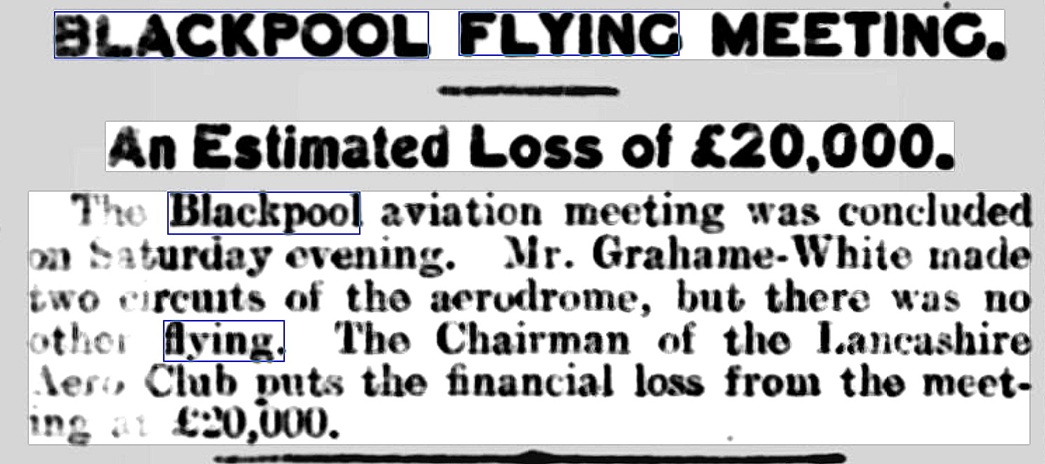
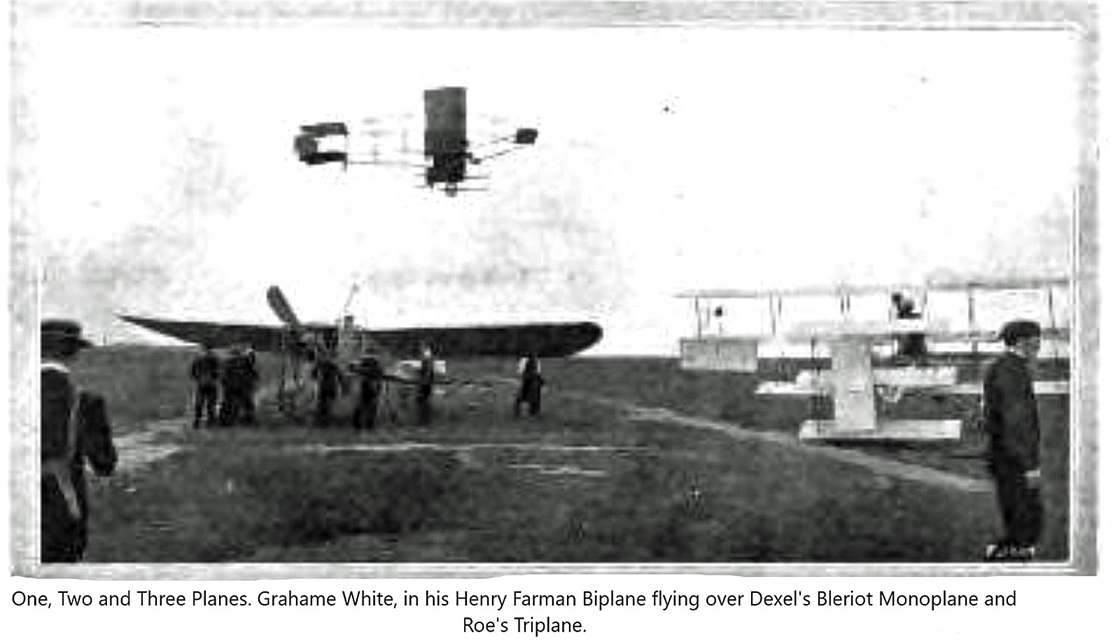
Both again from Flight, Photo Nine appeared on the 20th August, Photo Ten on the 27th August. The Short article Three appeared in the Newcastle Evening Chronicle on the 22nd August 1910.
AND FINALLY!
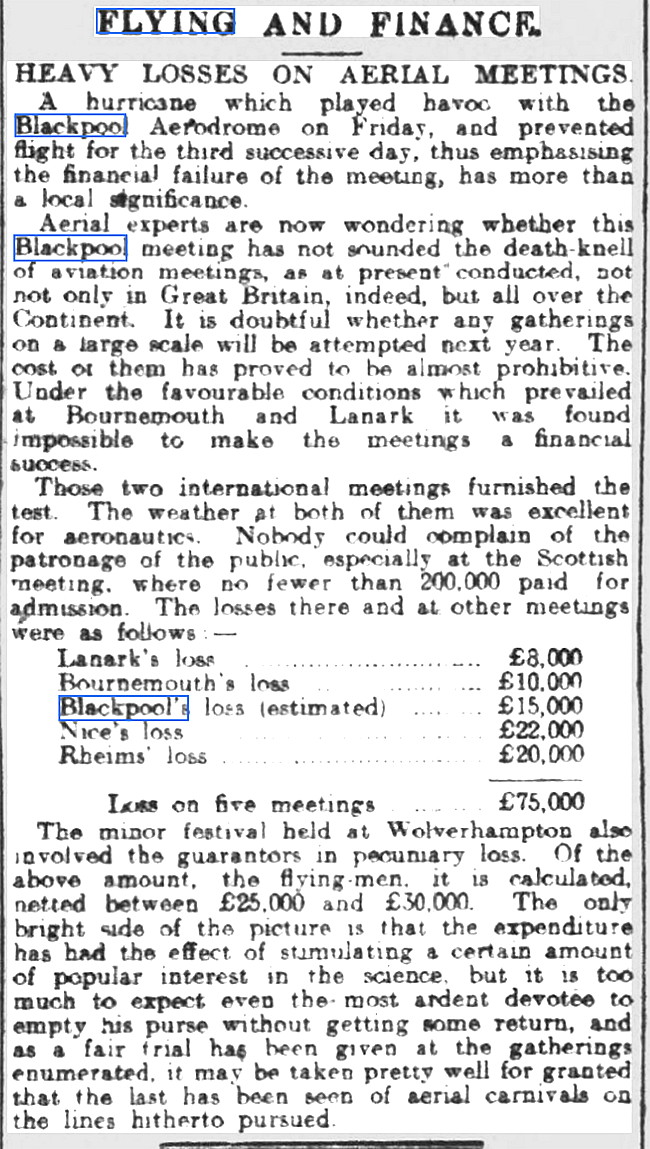
Mike Holder discovered this very revealing article published in the Western Gazette, published on the 26th August 1910. The obvious enthusiasm of promoters for large aviation meetings, which did attract huge crowds, was not matched by their lack of understanding of how such meetings could be managed to optomise revenue. It was a big problem until after WW2 when, due to many more people then being able to afford a car, this was commonly the preferred method of family transport to an air show. And car parking can be charged for, together with entrance fees.
Other events of a cultural nature can usually be contained. In a theatre or stadium, therefore easy enough to manage entrance fees.
The main problem with aeroplanes is their tendency to fly. And that means, usually, ascending quite high up into the air, something that can be easily seen from just outside of the aerodrome without paying anything for the spectacle. Unless of course it was desired to get a very close look at the machines and pilots. Any rising ground, even sand dunes in this case, can afford an excellent view of the proceedings, free of any admission fee. At HENDON for example, prior to WW1 certainly, huge screens were erected around the aerodrome in order to deny spectators on a nearby hill a view of activities on the ground.
BLACKPOOL FORESHORE: Civil beach ‘airport’
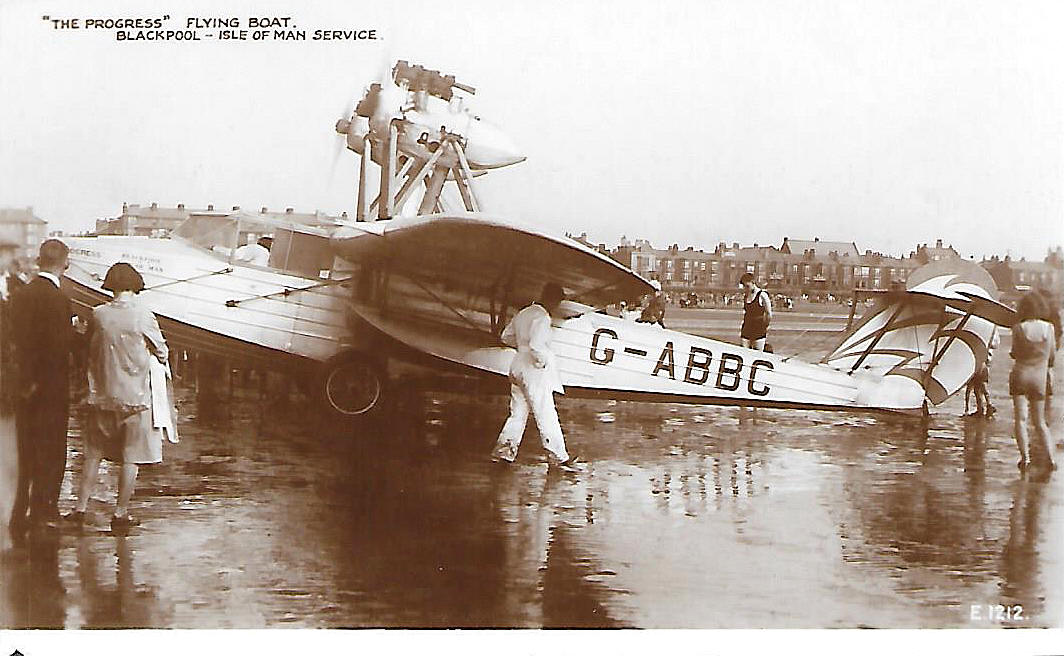
Note: This picture from a postcard was also kindly sent by Mike Charlton. (See below)
Operated by: British Amphibious Air Lines
NOTES: A service to the Isle-of-Man was inaugurated on the 25th March 1932 using the Saro Cutty Sark G-ABBC flown by Flying Officer Ronald Monk.
The following year the service operated from June to October. I have been unable to ascertain if the exact site used was close to, or even the same, as BLACKPOOL SANDS listed below?
BLACKPOOL SANDS: Manufacturers’ aerodrome for local aircraft builders, also RFC Landing Ground and a military seaplane base, later civil ‘beach’ aerodrome
NOTE: Aka SOUTH FORESHORE, also STAR INN
A QUERY?
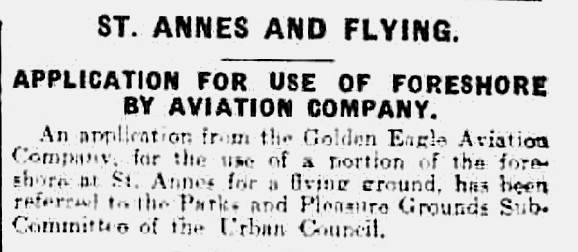
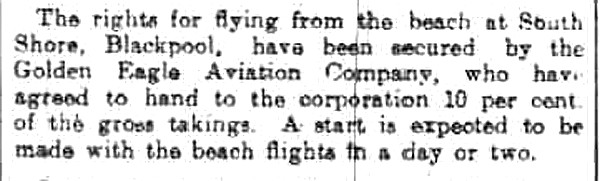
Note: These two items were kindly provided by Mr Michael T Holder and pose an interesting question. The first was published in the Lancahire Evening Post on the 3rd June 1919. The second is from the Burnley News published on the 14th July 1920.
What we don't know of course, is if they both refer to the same location on the sands? It seems probable, given the presence of Avro on the prime location near the south pier, that Golden Eagle Aviation were looking at operating from the beach further south, more or less on the northern boundary of Lytham St.Annes. If anybody can kindly offer advice, this will be much appreciated.
Operated by: Military: RNAS (Royal Naval Air Service)
Civil: Avro Transport Co
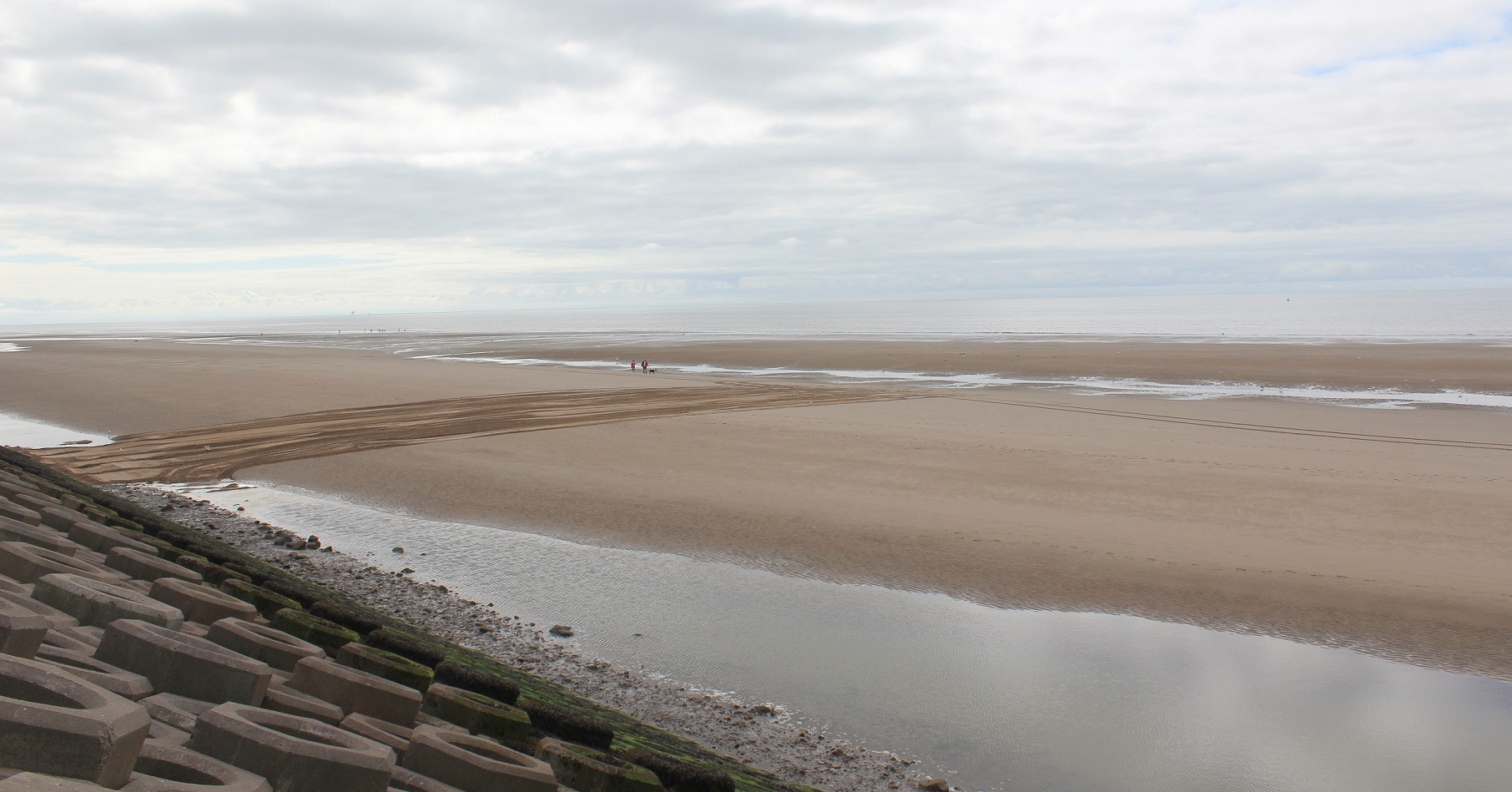
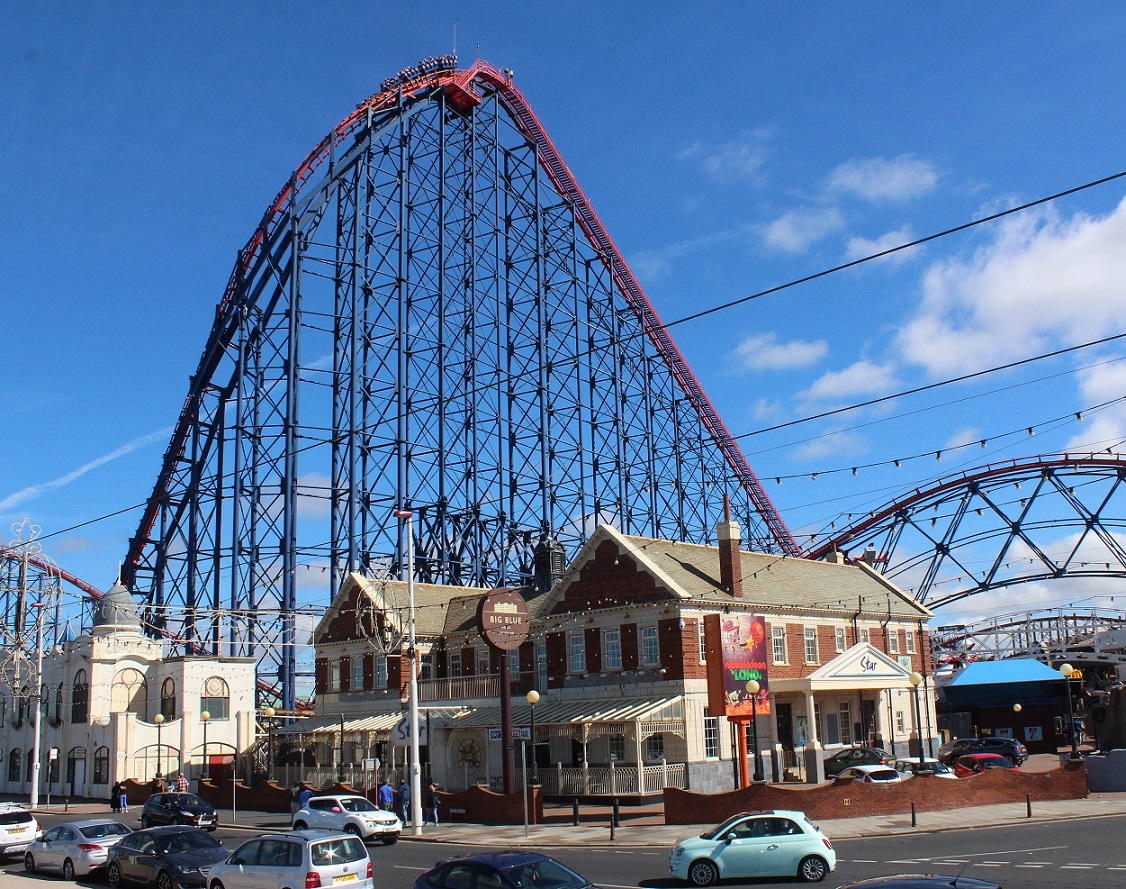
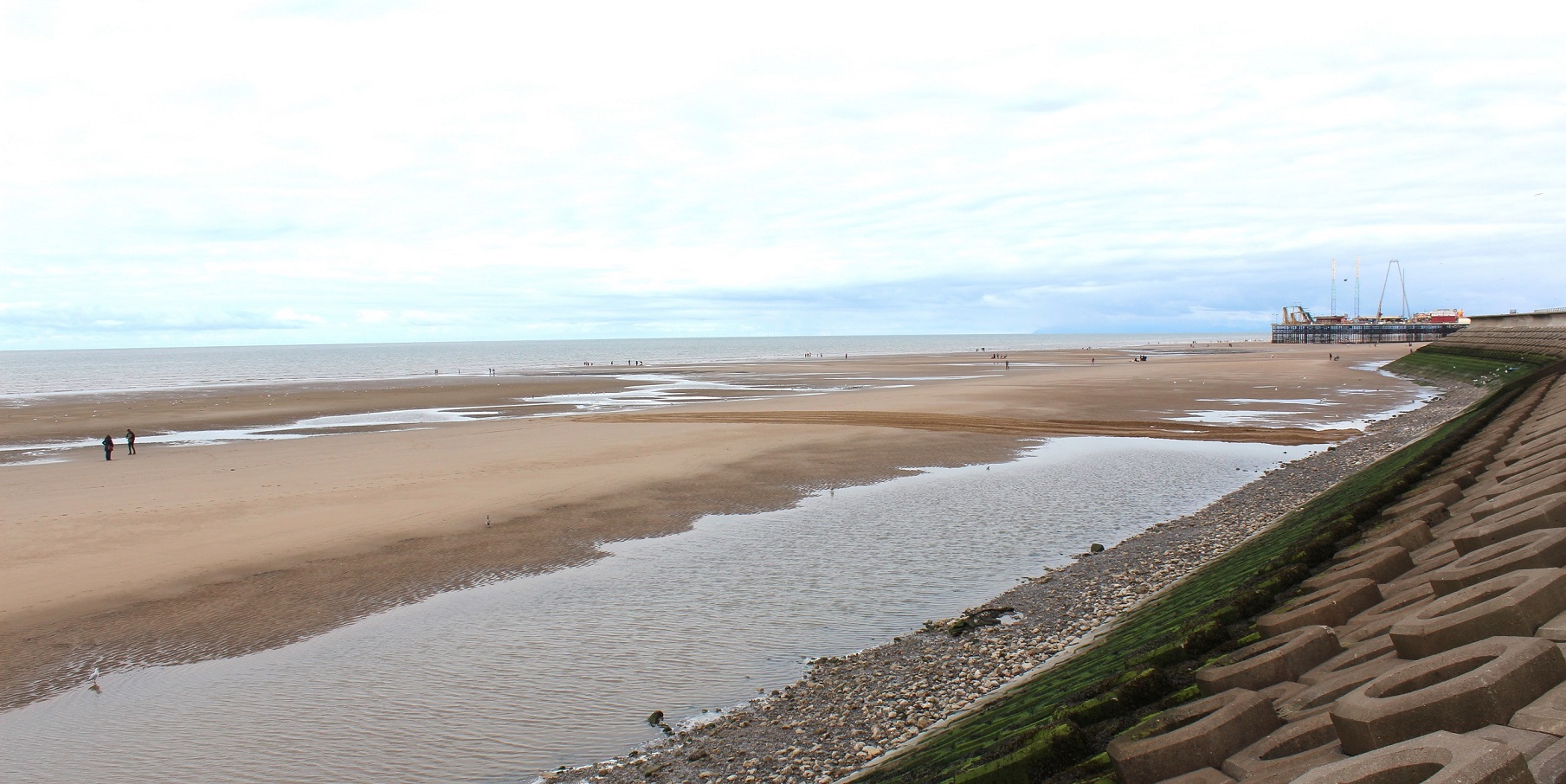
Note: Pictures by the author taken in August 2016. I expect the Star Inn has been extensively modified since 1919.
Without any doubt the nature of this beach must have changed substantially in the last hundred years. But even so, at low tide, it obviously still presents no problems for operations by Avro 504 types.
Period of operation: Military: 1917/18 only?
Civil: 1919 to 1920 mostly used it seems? Temporary beach aerodrome. Last known period of operation, (to date in 2026), but briefly was in 1928. If anybody can kindly offer advice this will be most welcome.
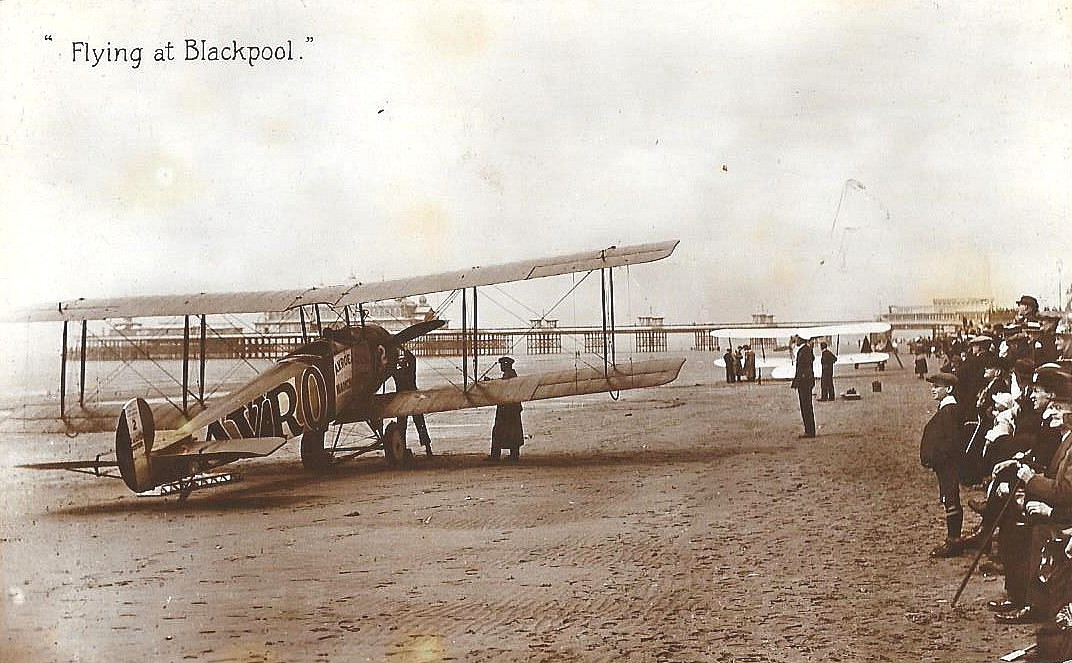
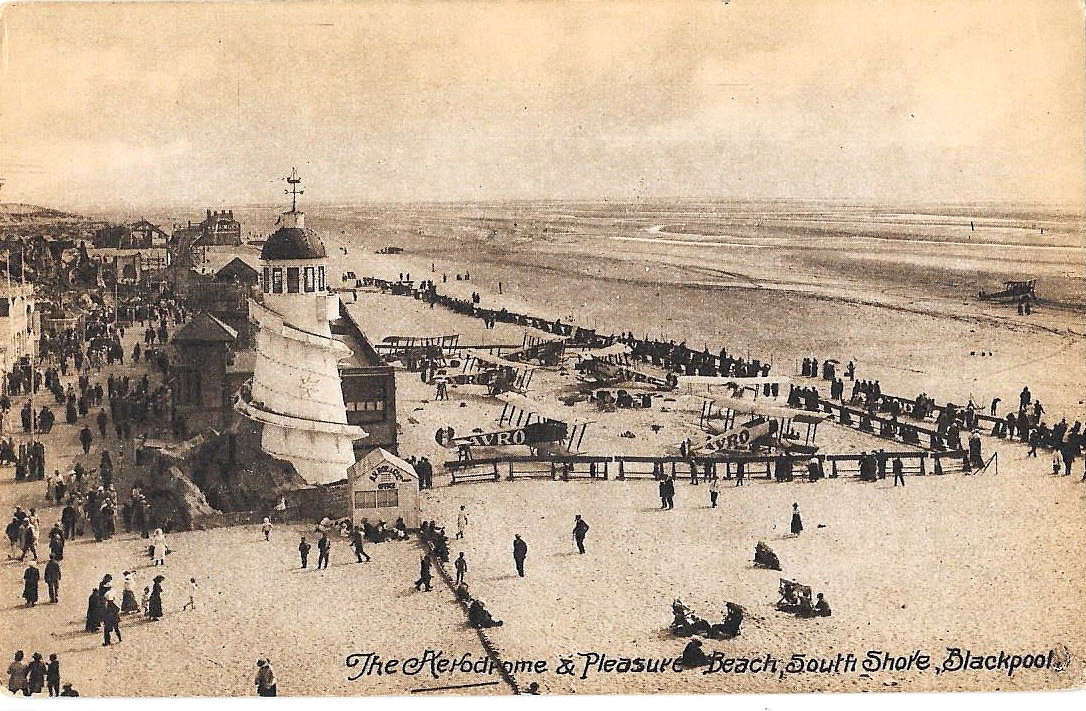
Note: These two pictures from postcards were kindly sent by Mike Charlton was has an amazing collection. See, www.aviationpostcard.co.uk
The first picture of an Avro 504K operated by the A.V.Roe company is of especial interest as it is clearly an ex-military example. Civil flying in the UK was allowed from the 1st May 1919 and civil aircraft were issued with provisional serial numbers in the range K100 to K170 until the brand new civil register came into force on the 22nd July 1919, starting with G-EAAA for aeroplanes and G-FAAA for lighter than air machines.
Those civil aircraft issued with the provisional serial numbers were then re-registered. However, as far as can be seen this 504K appears to have neither, although the detail on the rudder is a bit blurred. I suppose it is quite possible that the military serial had been painted out and the provisional serial hand-painted in with quite small lettering? Can the aircraft in front of the 504K be identified?
The second fabulous picture shows the 'aeroplane enclosure' and here again, as far as can be seen, no civil registrations have been applied. So, presumably, this picture might also date from between May and July 1919?
Pleasure flights: Avro Transport Co
Location: Roughly a quarter to half a mile S of Blackpool ‘Victoria’ pier, opposite the Star Inn
NOTES: I have seen a photograph of two Avro 504s on this beach with the pier clearly showing in the background. Ron Smith in his book British Built Aircraft Vol.5 tells that Avro built twelve 536 types, (a version of the 504 design), in Manchester specifically for use at Blackpool.
In his book The Triple Alliance Neville Doyle has this to say: “Despite competition from Sopwith, Avro successfully negotiated with Blackpool Corporation for the sole right to fly from their foreshore and, at the same time, agreed to operate a regular daily service between Blackpool and Manchester which would connect with the “official” but non-existent Air Ministry routes.” The next episode is: “By May 9th 1919, Avro had received Air Ministry and Blackpool Corporation approval for use of the sands immediately below the Victoria Pier, although Major Horace Scott Shield, who had formed Golden Eagle Aviation Co Ltd, had obtained approval on the previous day for his airfield at Squires Gate.
Also from Neville Doyle: “What might be regarded as an inaugural flight, took place on Saturday May 10th, when four Avros left Alexander Park, the Manchester aerodrome, with members of the Blackpool Corporation and flew to Blackpool. The pilots were Lts Roberts, Moxon, Browne and Major Adams and joy-riding started on the following Monday,” It appears a regular service started on the 26th May from ALEXANDER PARK and included another stop at SOUTHPORT SANDS. It is claimed this was the first regular scheduled airline service in the UK!
“The service did not reappear in 1920 when Avro Transport Co had ceased trading because large joy-riding profits were no longer expected. Some joy-riding continued off the beach (My note: by whom?) until Blackpool Corporation decided it was all too dangerous and this activity became centred on Squires Gate, where Golden Eagle Aviation’s fleet were based. It does seem rather unlikely all of the exact sites for beach operations in LANCASHIRE are now known, but, does this really matter anyway? The purpose of this Guide is to do just that - to - provide a guide. The important thing is to record the existence of flying activity and by the very nature of a beach ‘airfield’, the chosen landing area might well have varied hour by hour, (harder sands being dictated by tidal movement), let alone day by day or week by week?
A MICHAEL T HOLDER GALLERY
In February 2026 Mike Holder, a great long-term friend of this 'Guide', kindly sent these items to illustrate this part of the listing.
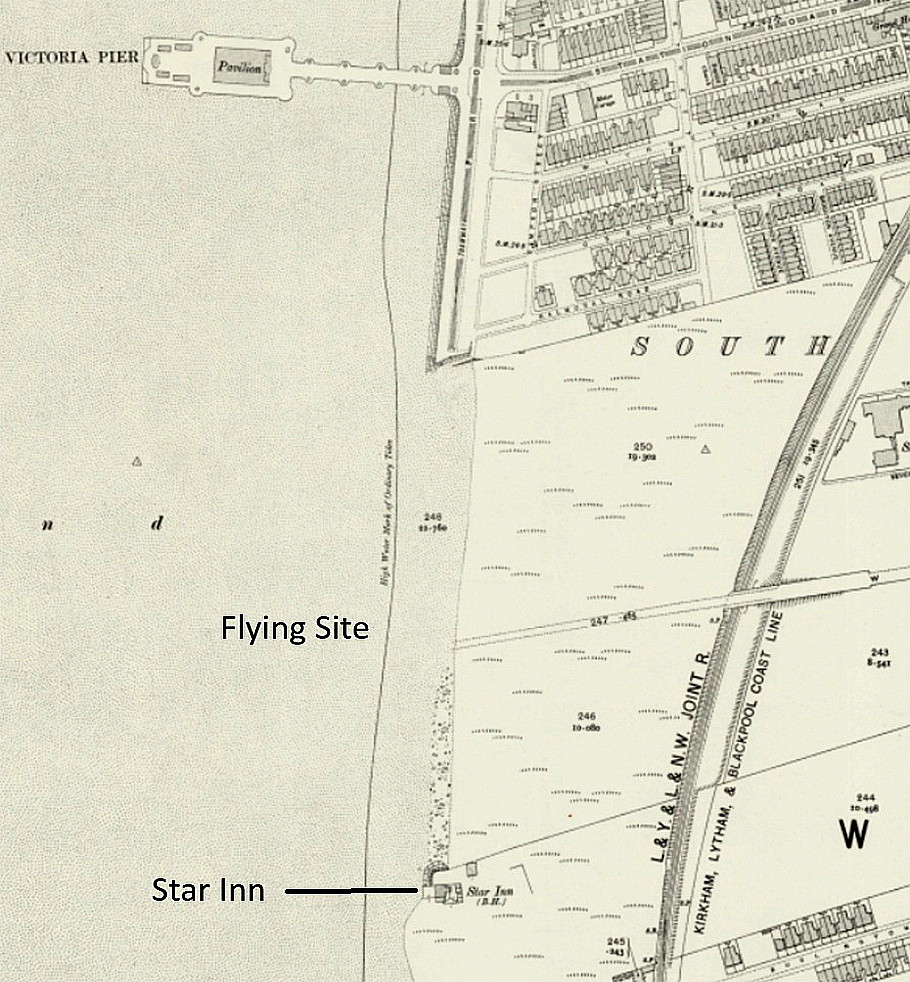
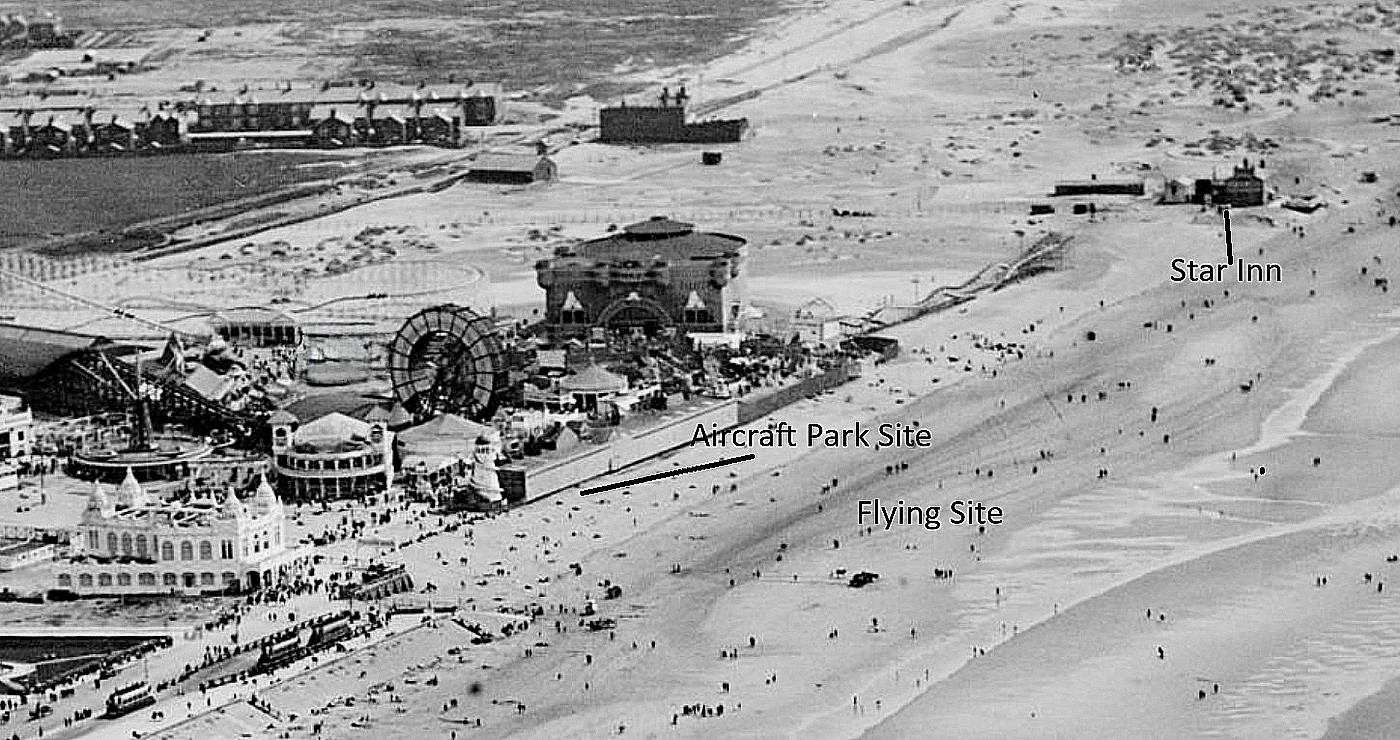
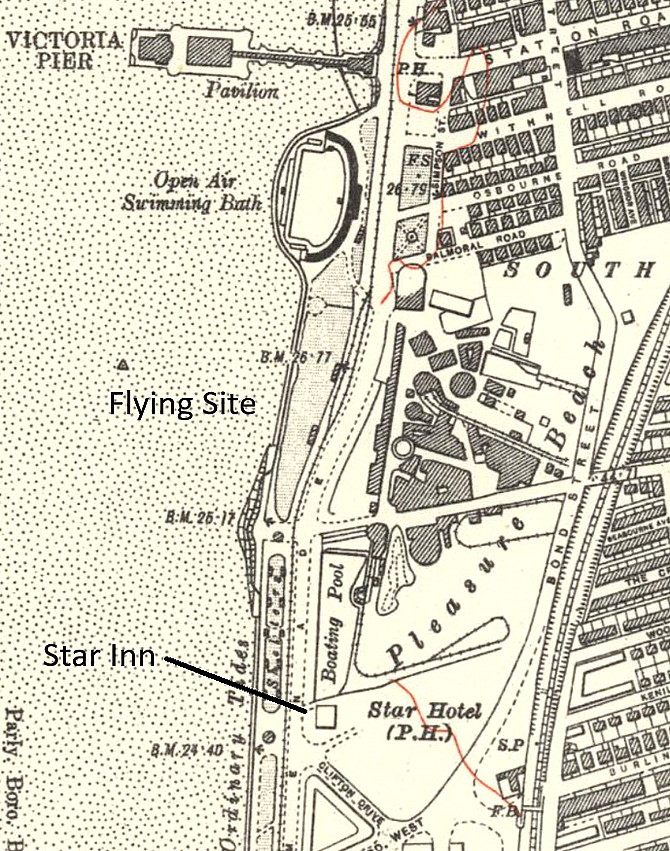
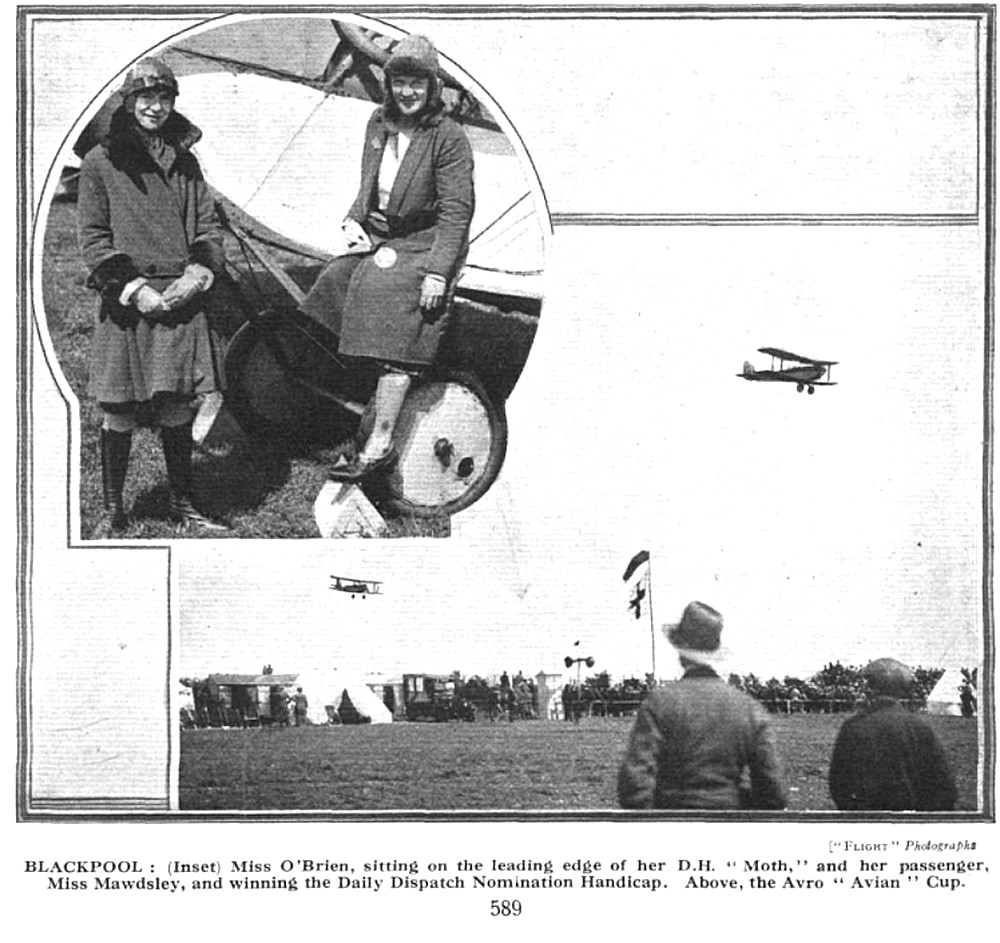
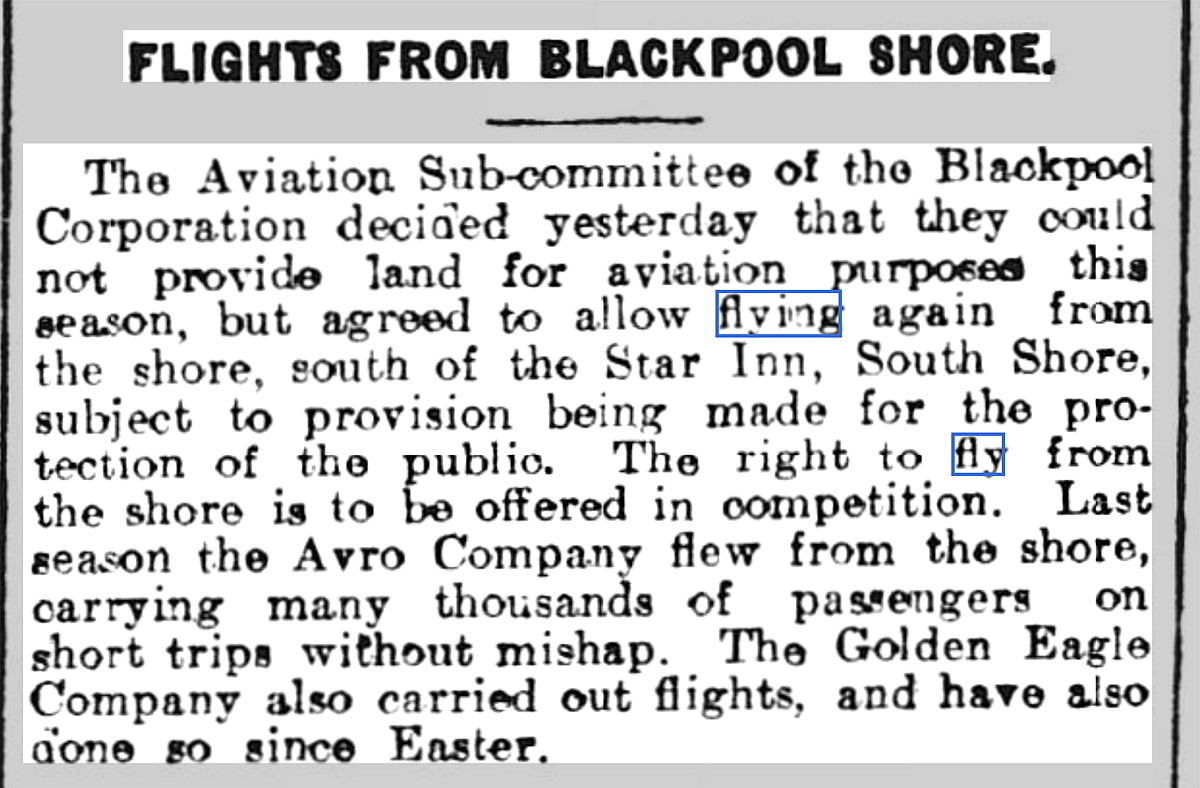
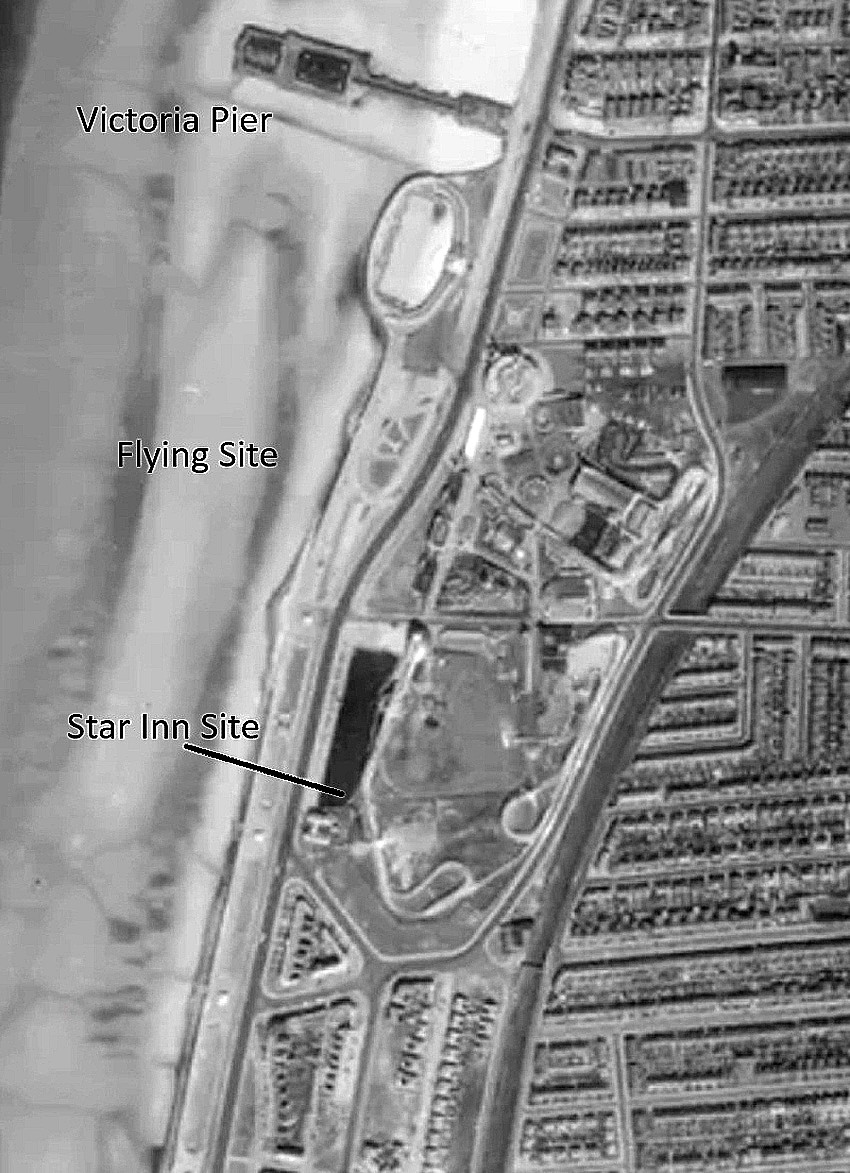
Photo One was published in Flight on the 12th July 1928. The short article appeared in the Lancashire Evening Post on the 20th May 1920.
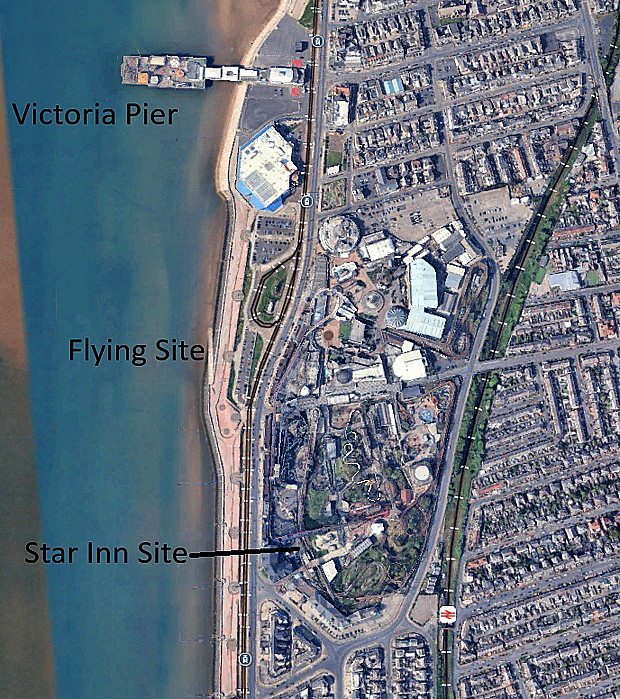
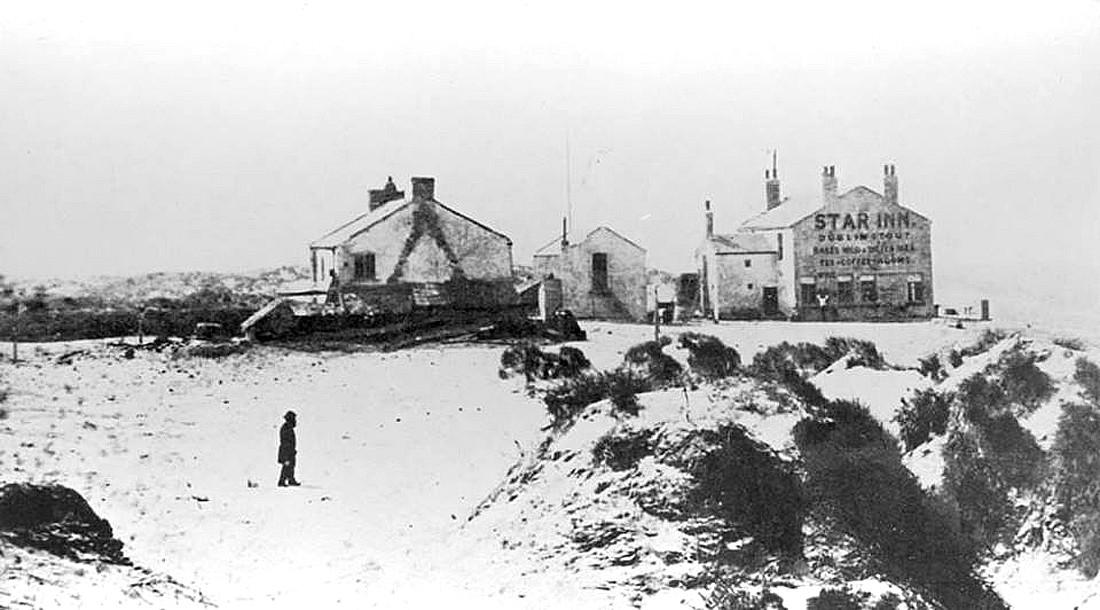
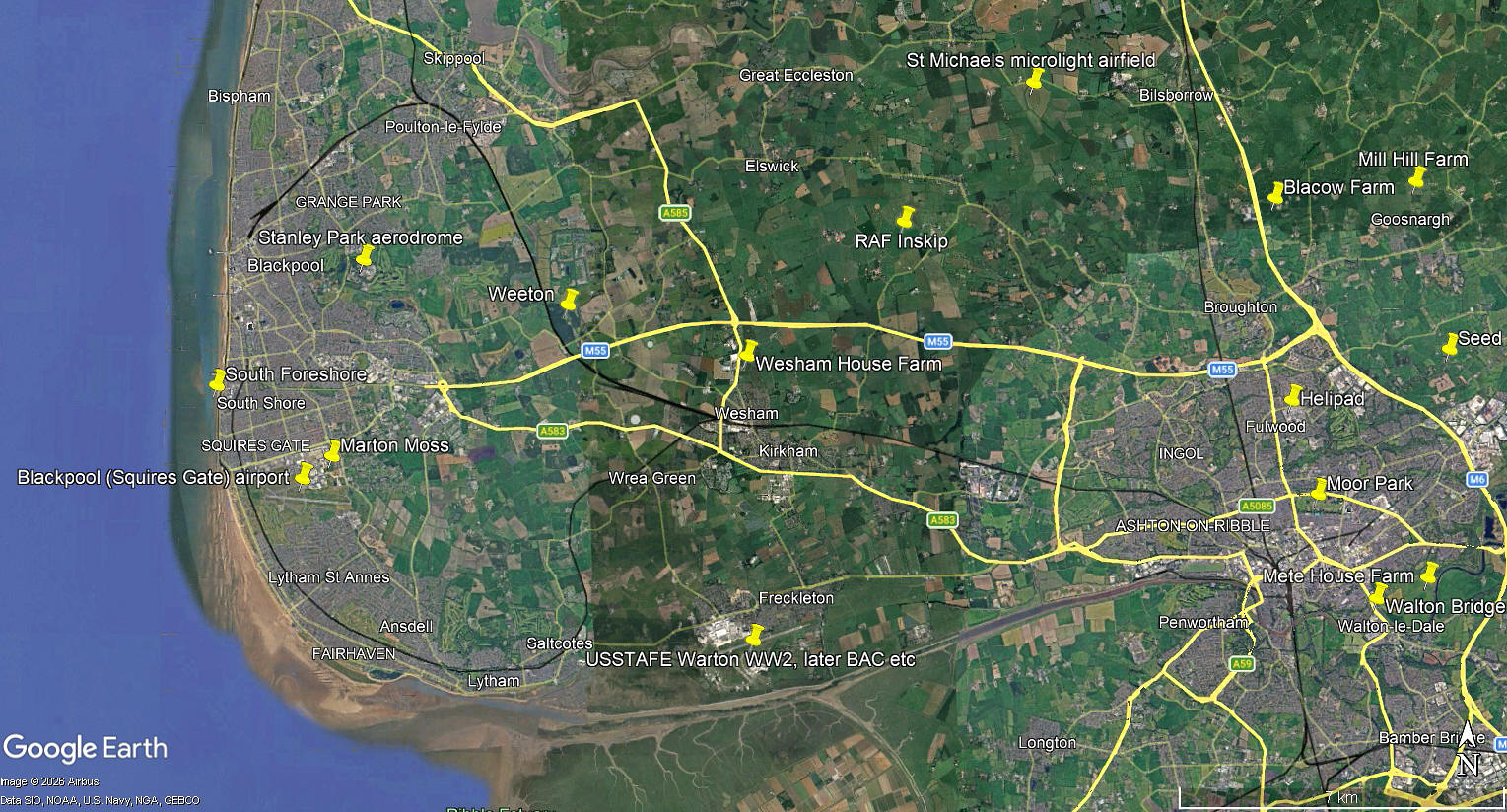
Photo Two is from the Juliette Gregon's Heritage Photographer Blog Spot. The local area view is from my Google Earth© derived database.
BLACKPOOL: Temporary flying site? But where did he land?
NOTES: Blackpool was the 47th venue in August for the 1929 Sir Alan Cobham's Municipal Aerodrome Campaign. Starting in May and ending in October one hundred and seven venues were visited. Mostly in England but with two venues in Wales and eight in Scotland. Did this visit result in STANLEY PARK being created? Cobham was certainly consulted and he approved the site - which was a big mistake and anyone with some common sense should have put paid to the idea. It was, quite simply, in the wrong place. On the opposite side of the town to the main attractions, and quite rightly the residents in between objected to the noise of aircraft constantly passing low overhead.
The aircraft he used for this Tour was the DH61 'Giant Moth' G-AAEV named 'Youth of Britain'. The schedule he set himself was astonishing - see STOCKTON on TEES for more information. I can thoroughly recommend reading his memoirs in 'A Time To Fly.'
If anybody can kindly offer advice, regarding where Cobham operated from, this will be most welcome.
BLACKPOOL SOUTH SHORE: B.A.S.E. Jumping championships
Location: Just N of the South Pier
Period of operation: 27th, 28th & 29th August 2016
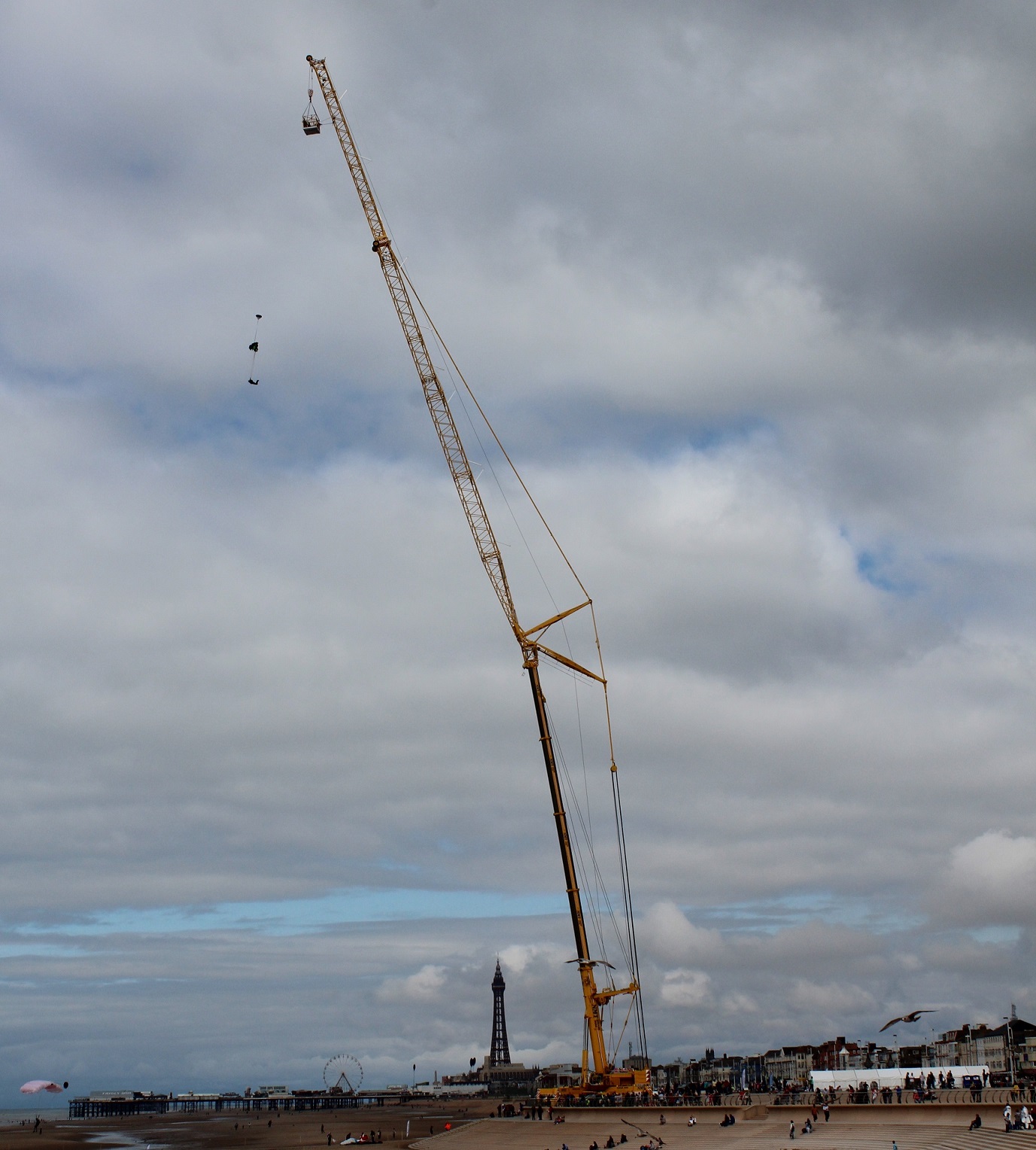
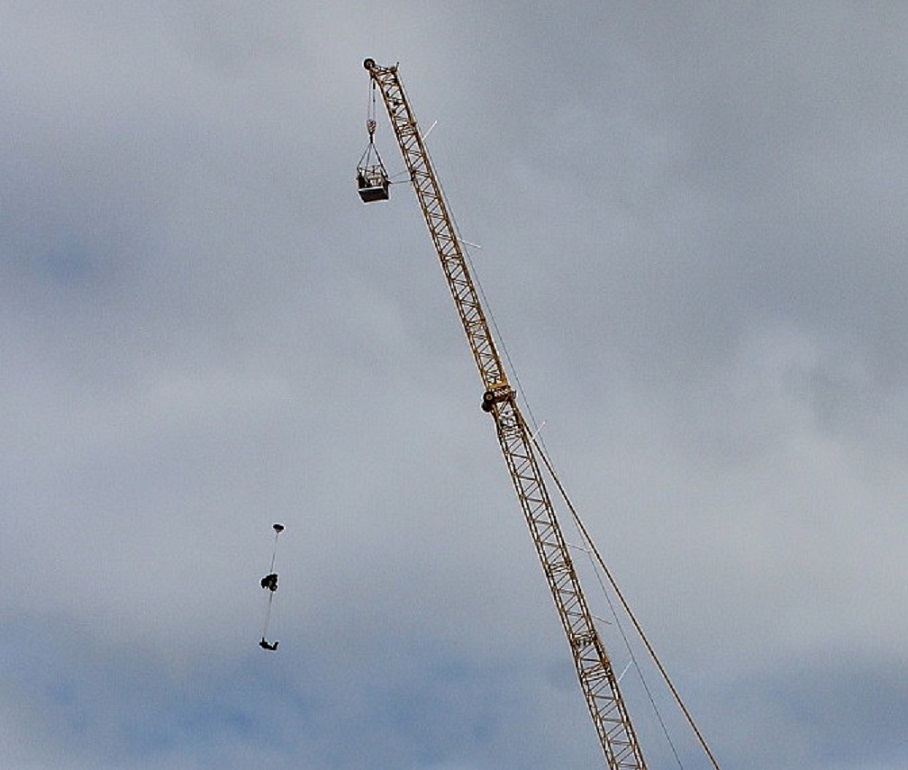
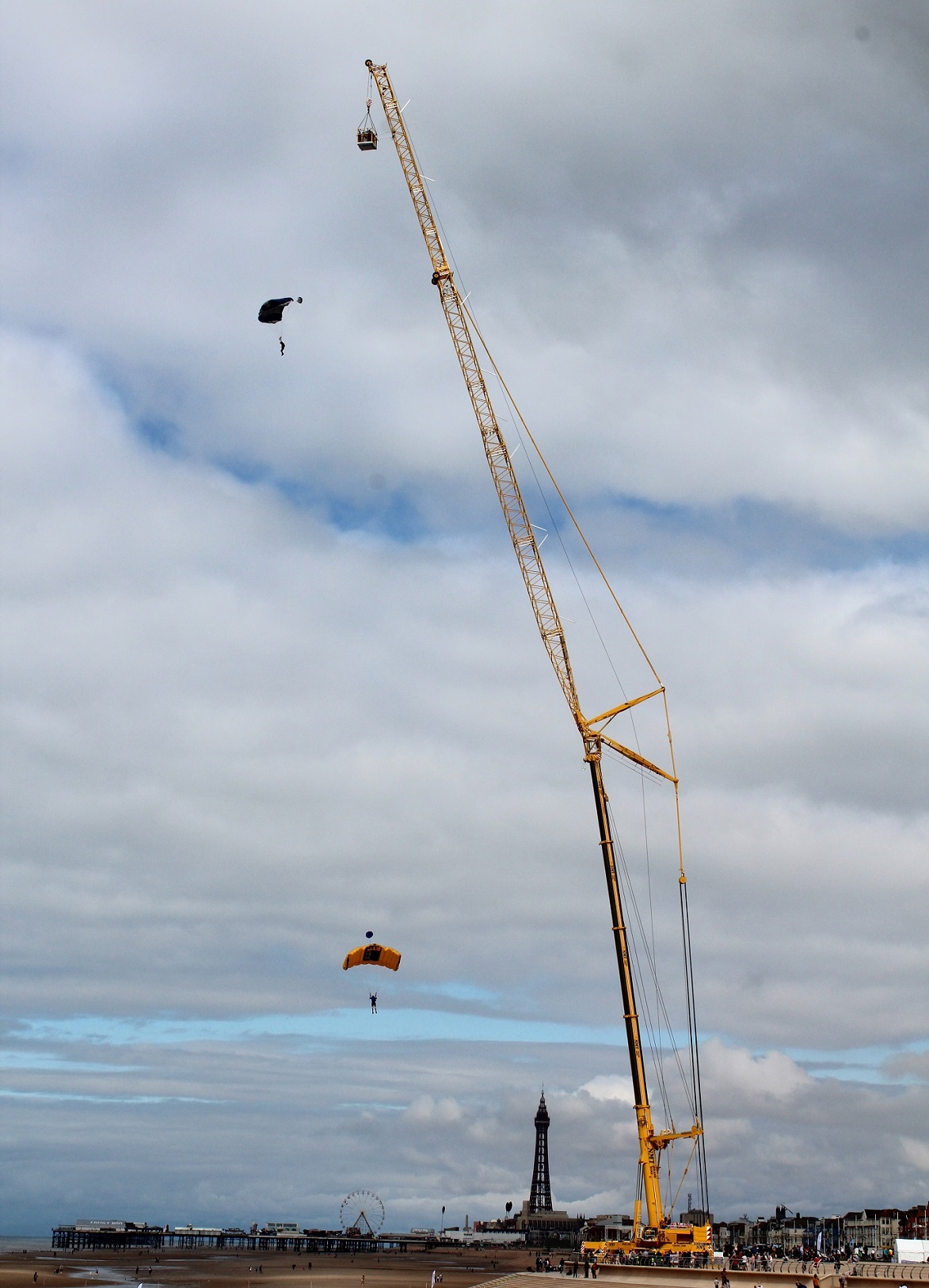
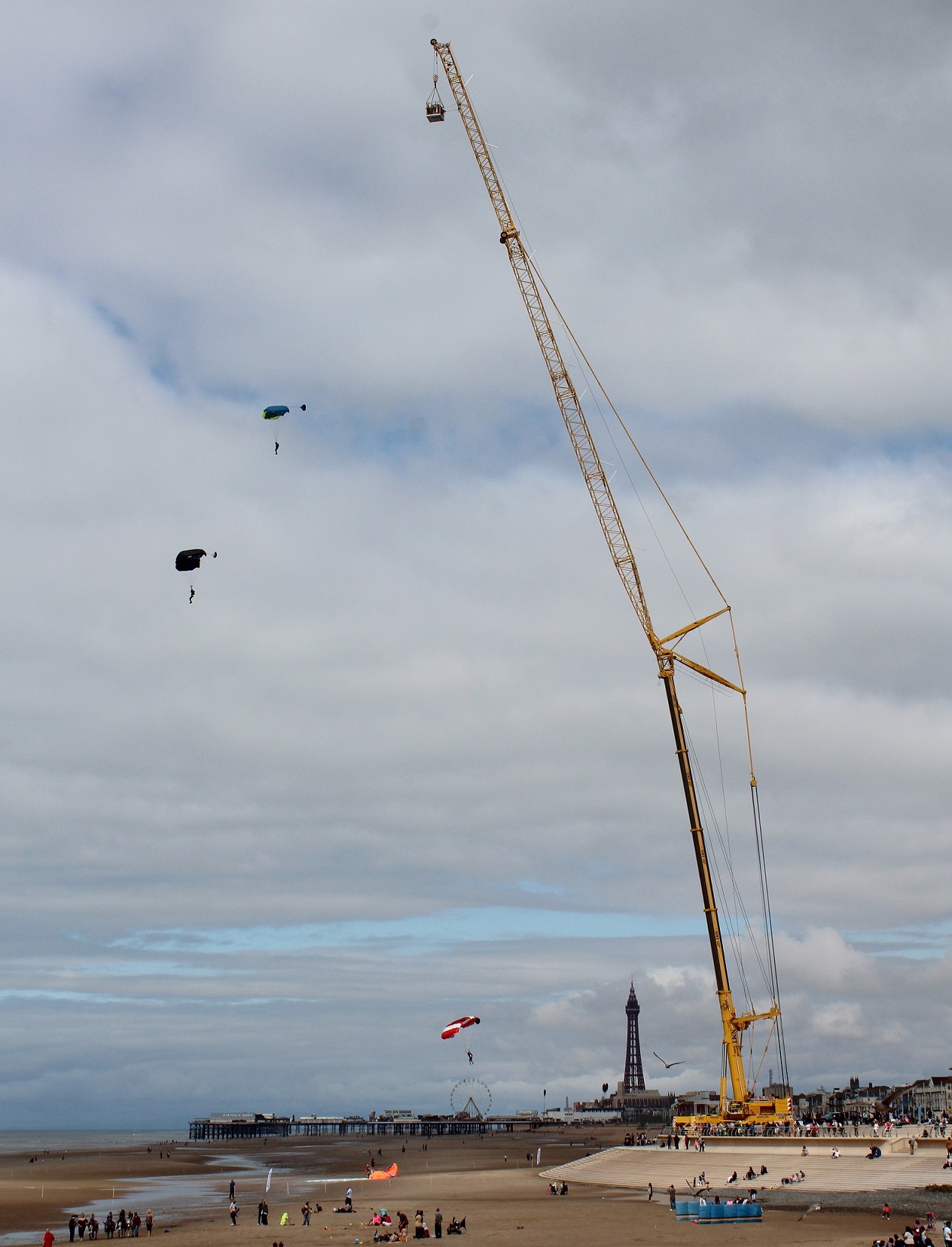
NOTES:
From the 27th to the 29th August 2016 the AirgameZ 2016 BASE jumping championships were held here, and it seems the event has been held here before in 2015 at least.
Some eighty of the worlds best 'jumpers' participated, launching themselves from a cage suspended from a 489 foot high crane. And, from what I could see, the 'jumpers' had to climb out of the top of the cage.
It might seem to some that this is pushing the bounds of what might be classified as a "flying site" and that is precisely my intention for this 'Guide'. Make no mistake about it, although their time being airborne is fairly brief, it still roughly equals and probably exceeds many of the early aviators attempts to become airborne.
A PREVIOUS VISIT TO BLACKPOOL
I was told whilst talking to parachutists at CARK airfield, later on the day that these pictures were taken, that BASE jumpers had also used Blackpool Tower in the past. However, it wasn't known if these jumps had been officially sanctioned.
Ken Bowker
This comment was written on: 2021-06-12 17:32:16When I as about 13, in 1957, I was taken to Squires Gate to see an Avro 504 in a hangar on the west side of the terminal area. Sadly, I had no camera.
We'd love to hear from you, so please scroll down to leave a comment!
Leave a comment ...
Copyright (c) UK Airfield Guide