





Boxted
BOXTED: Military aerodrome, later limited GA use

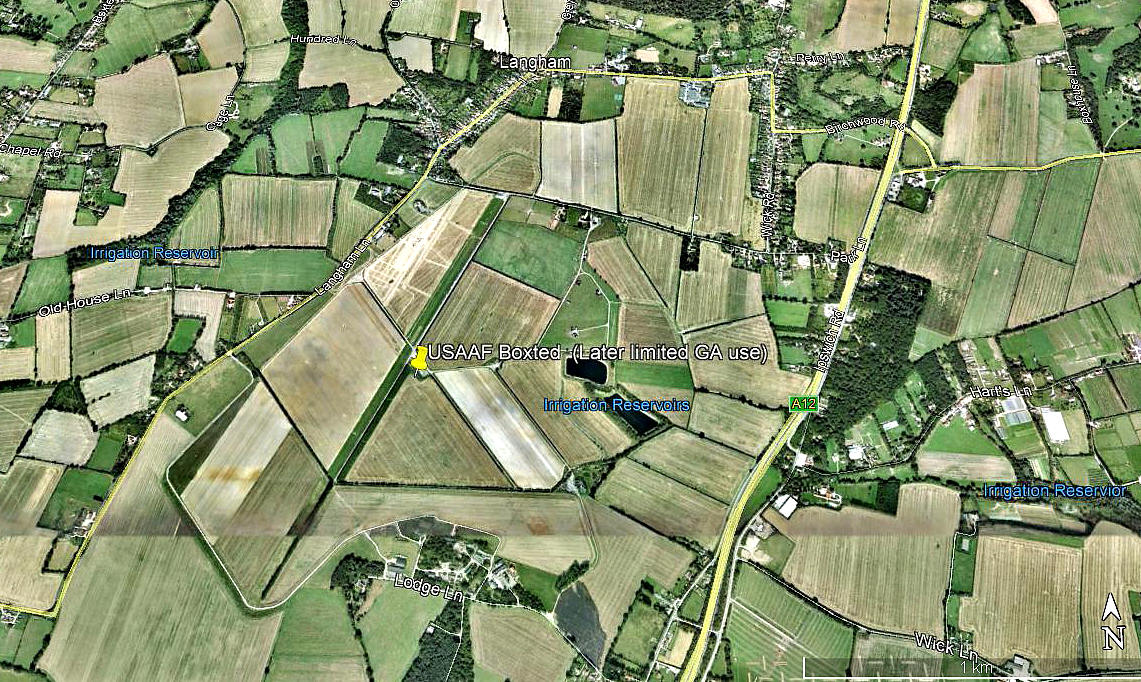

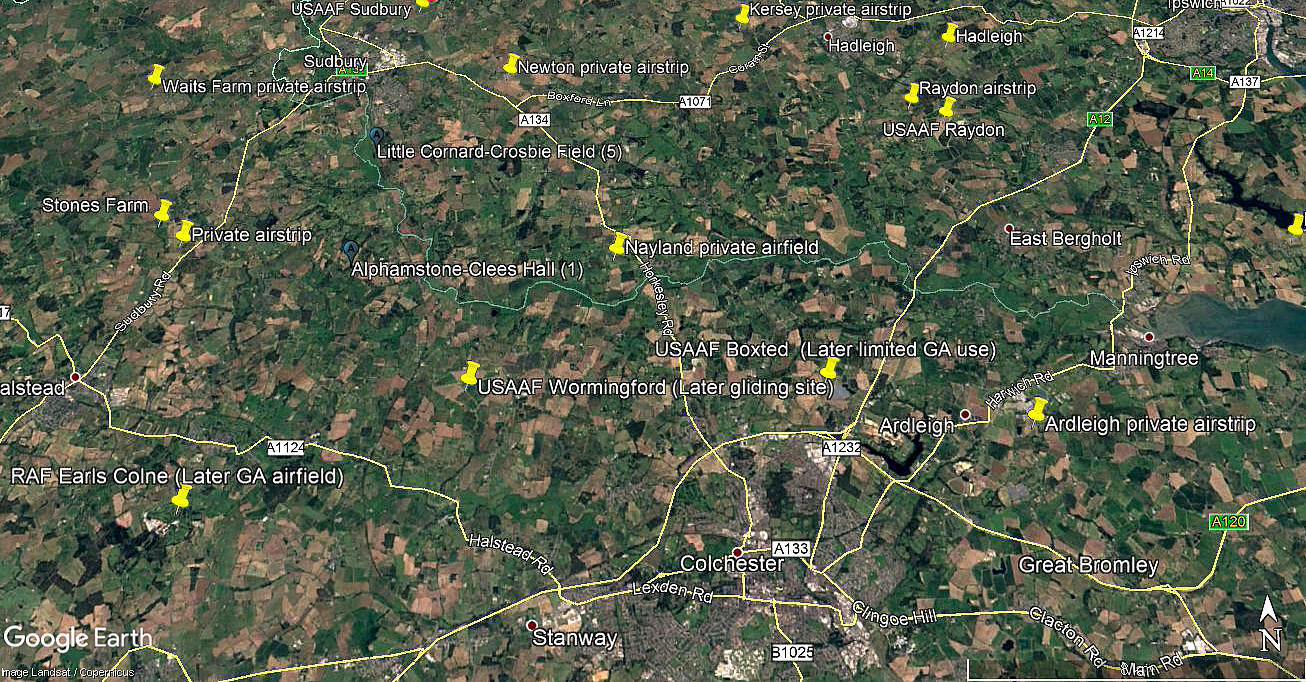
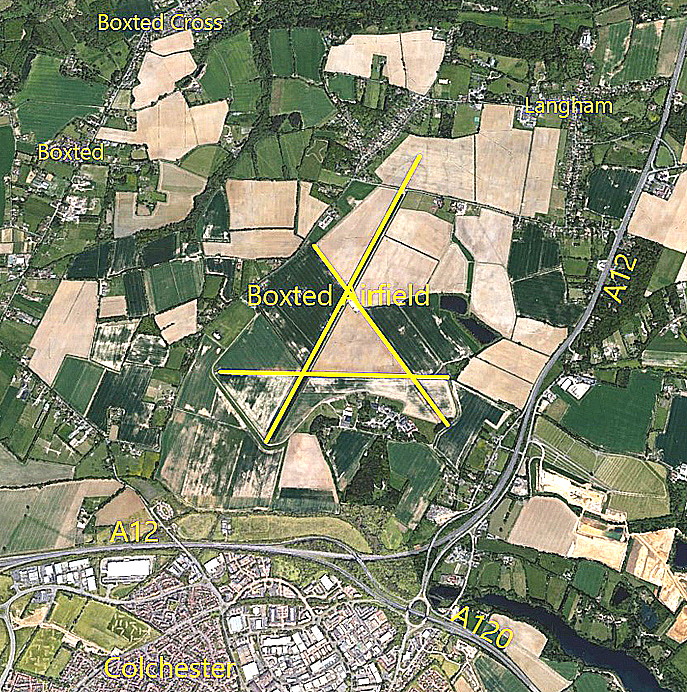
Note: These four pictures were obtained from Google Earth ©


Note: Pictures by the author.
Military users: 8th & 9th USAAF
8th Bomber Command, 3rd Bomb Wing Group, 386th Bombardment Group (Medium)
552, 553, 554,& 555 Sqdns (Martin B-26B & B-26C Marauders)
65th Fighter Wing 56th & 354th Fighter Groups
354th Fighter Group (November 1943 to April 1944)
353, 355 & 365 Sqdns (Republic P47D Thunderbolts)
56th Fighter Group
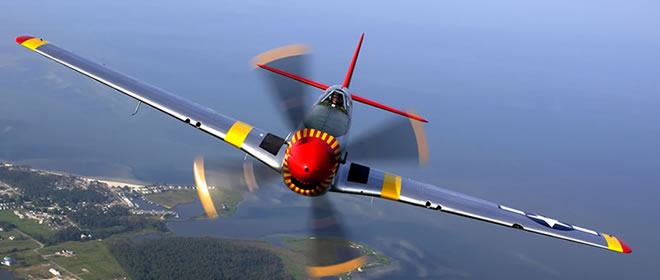
61, 62 & 63 Sqdns (Republic P-47D Thunderbolts & North American P-51 Mustangs)
5th Emergency Rescue Sqdn (Republic P-47 Thunderbolts)
Post WW2
In 1945 reverted to the RAF who based Mosquitos and Meteors here
Location: SE of Boxted Heath, S of Langham Moor, 3nm NNE of Colchester
Period of operation: Military: 1943 to 1947 Civil: Early 1960s only? Occassional till 2000s
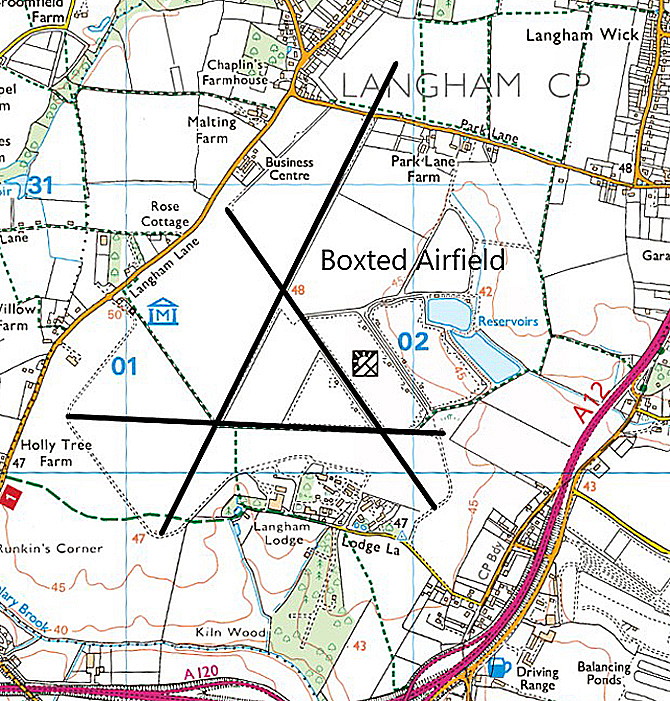
Runways: 04/22 1828x46 hard 10/28 1280x46 hard
16/34 1280x46 hard
Note: During 2006 (?) the 04/22 runway (now 03/21) was reported to have been lengthened to 1000 metres. (900 metres according to the Google Earth picture above).
However, when we flew past in July 2015, it was 635 metres long. As it had been in 2000 for example.
A MICHAEL T HOLDER GALLERY
As regular visitors to this 'Guide' must have noticed, I have the privilege of having a great many people helping me - and certainly not least - Mike Holder. Being an ex-RAF navigator, on Vulcans, Comets and Nimrods, and on discovering this 'Guide', he has devoted a consideration amount of time to providing additional items. This being an excellent example. In effect I have divided this section into three main picture parts for the USAAF era. Martin B-26 Marauders, Republic P-47 Thunderbolts and latterly North American P-51 Mustangs.
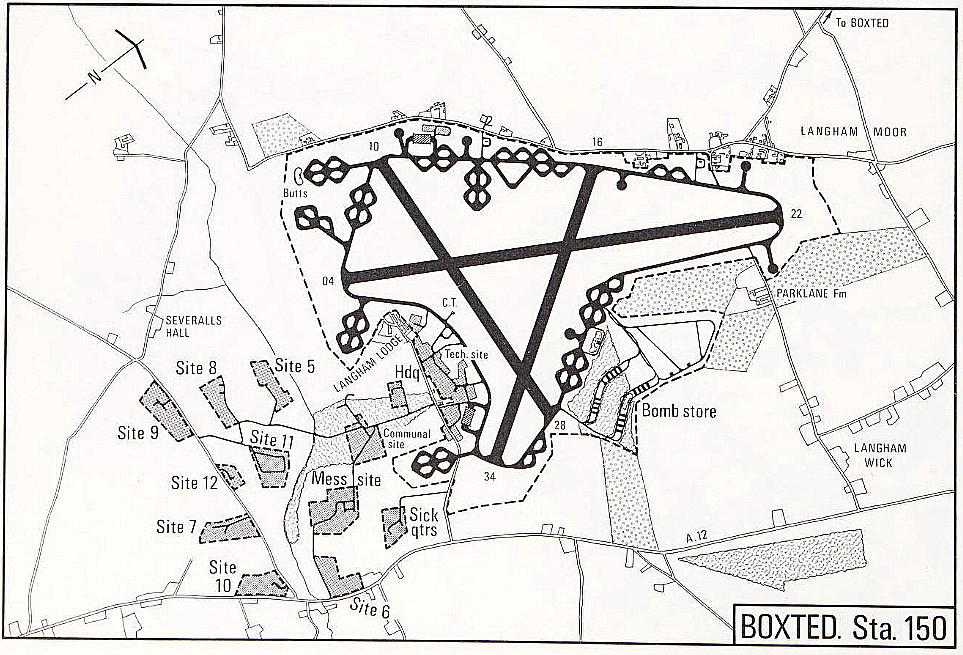

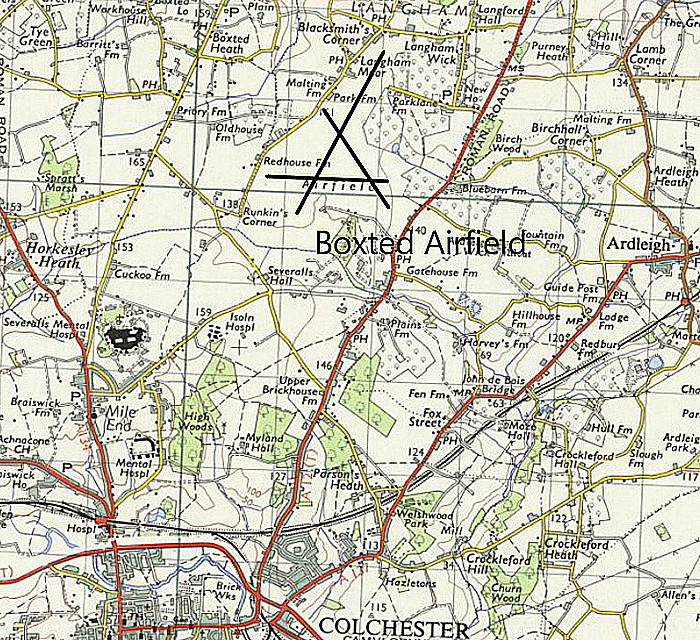
The aerial vertical is from the American Air Museum.
THE MARTIN B-26 MARAUDER (From the American Air Museum)
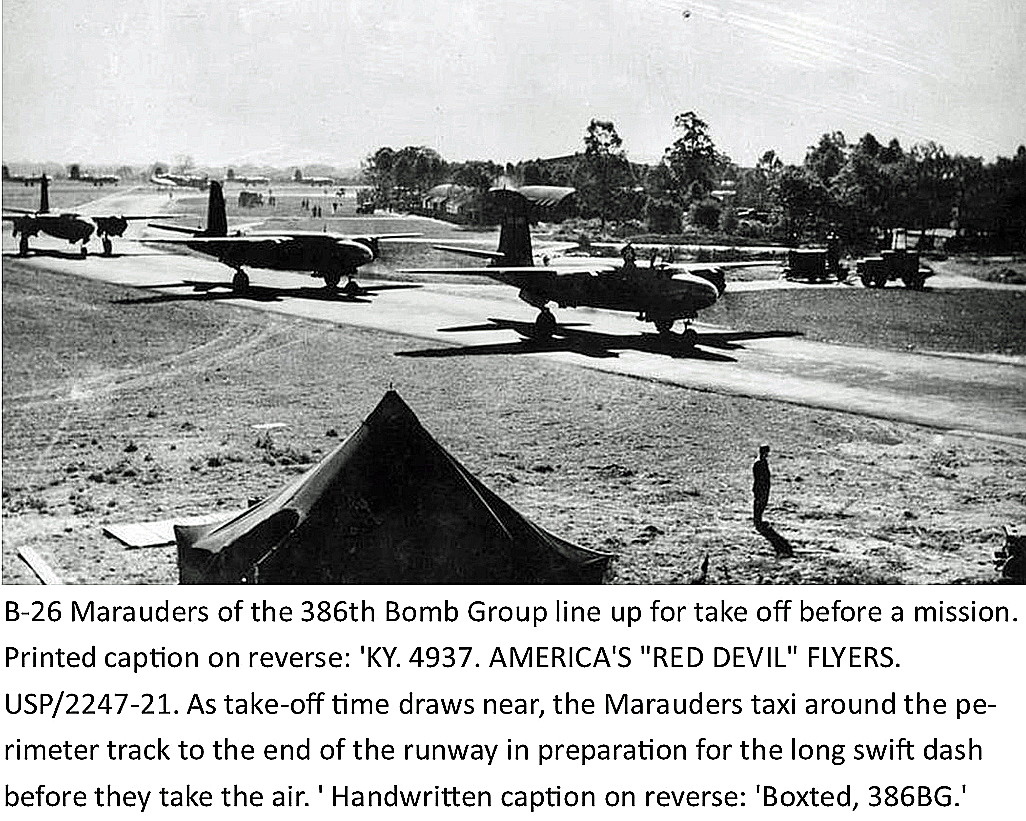
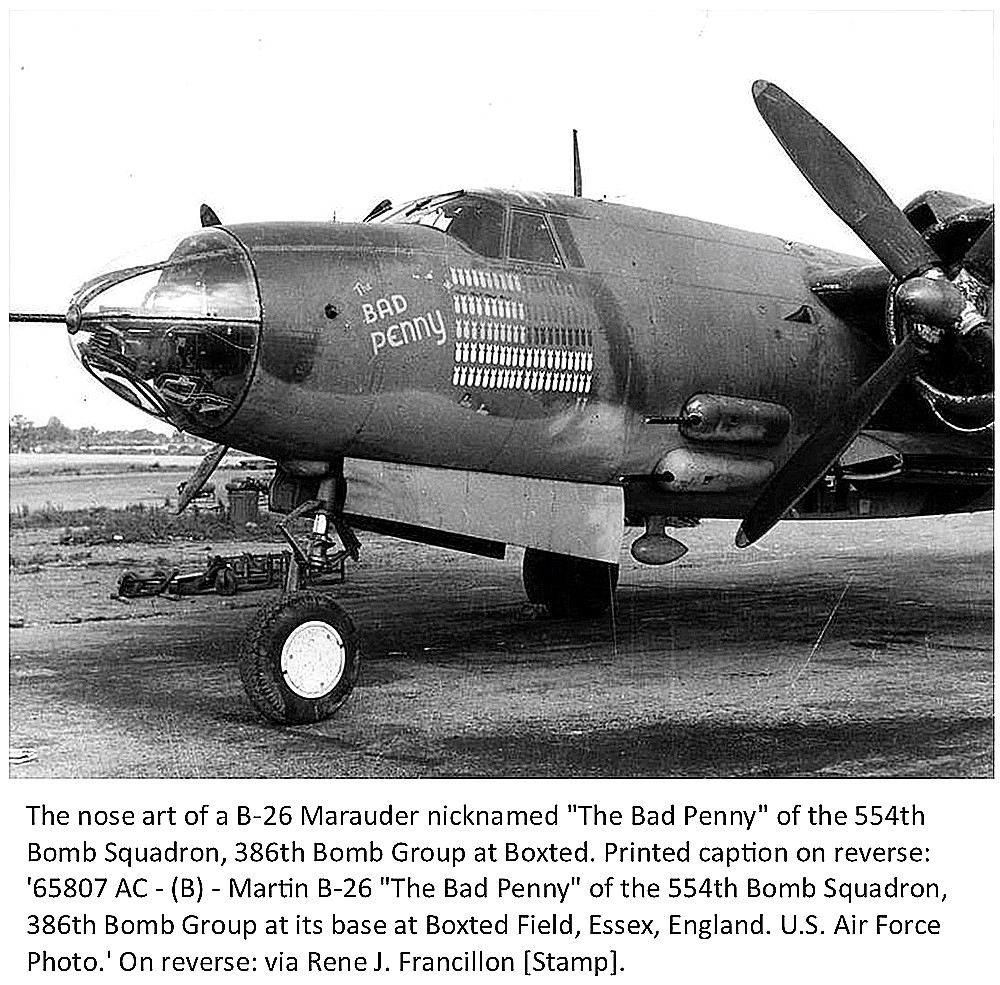
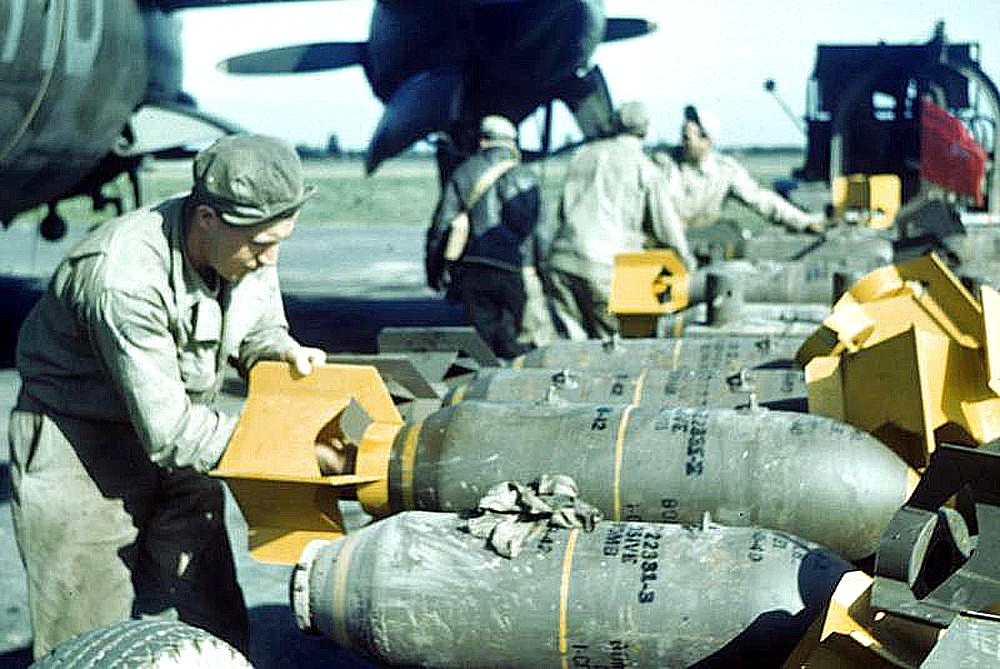
The Martin B-26 Marauder earned itself a poor reputation - not entirely justified. The main problem it appears, is that it had a high stalling speed, so had to land much faster than most other comparable medium bombers. We need to bear in mind that the majority of pilots, on both sides, had relatively little 'real' flying experience - just a couple of years or so. Coming home heavily fatigued from a combat mission, the last thing you need as a pilot, 'new to the game', is an aeroplane such as this to plonk down safely once home.
CUCKOOS IN THE NEST?

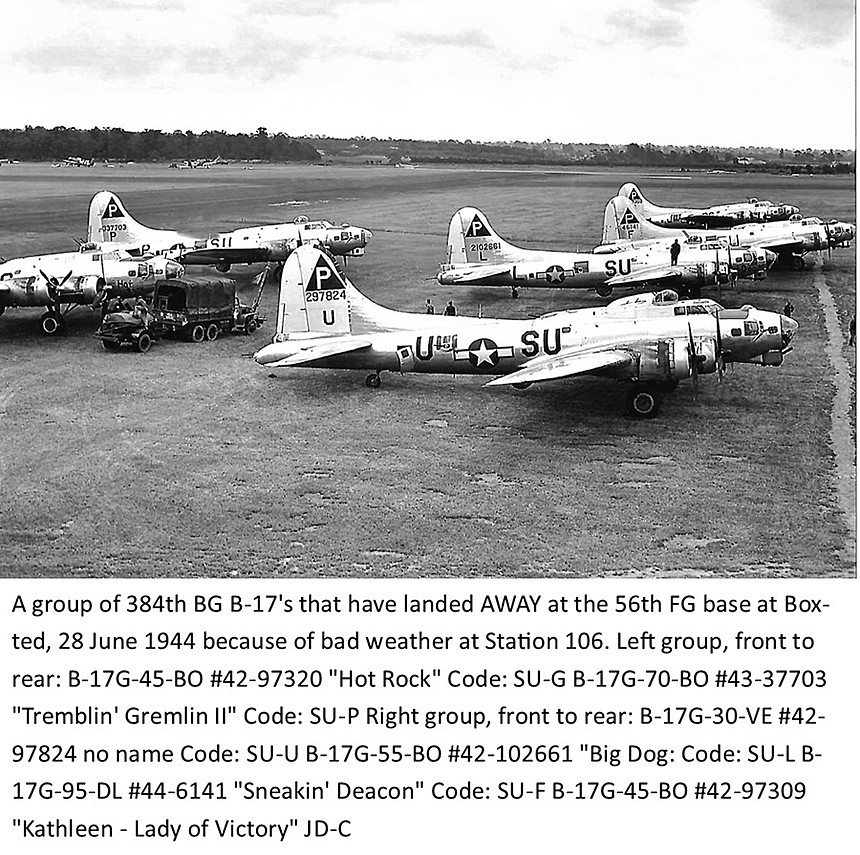
These B-17 Flying Fortresses diverted into BOXTED. No doubt a very good decision on the part of the pilots.
I often wonder what they made of arriving in England, after being trained in the USA, usually in ideal flying conditions. Then finding themselves soon coping with highly volatile weather on a small island 'anchored' in the Atlantic off the west coast of Europe.
THE THUNDERBOLT ERA (Mostly from the American Air Museum)
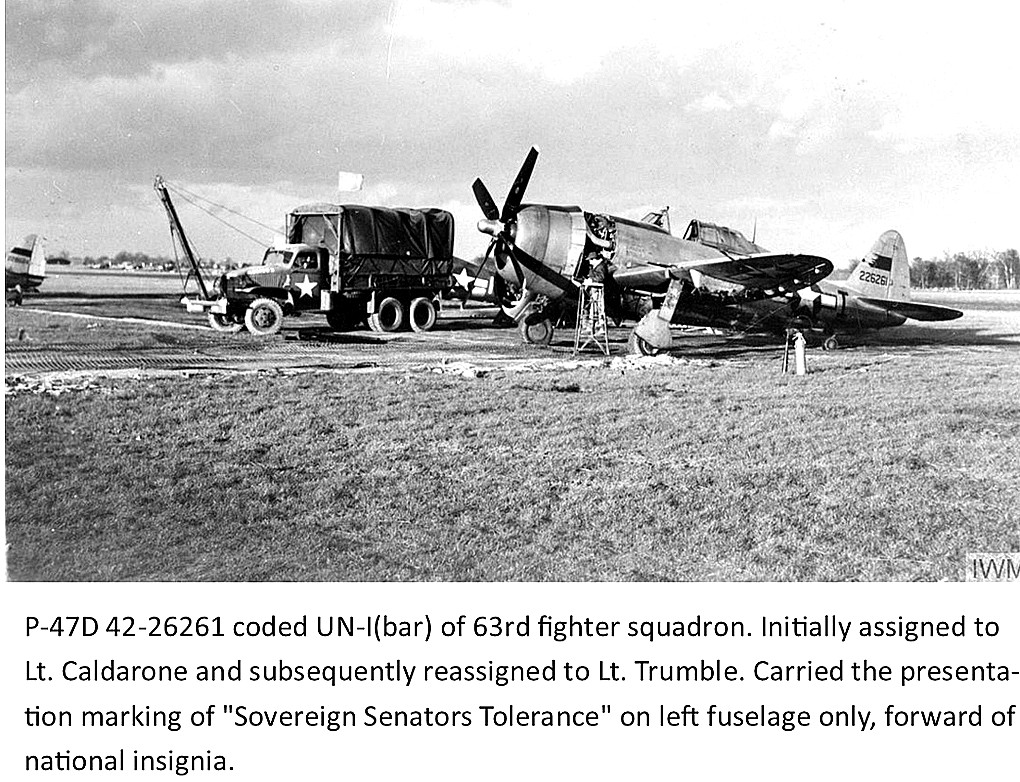
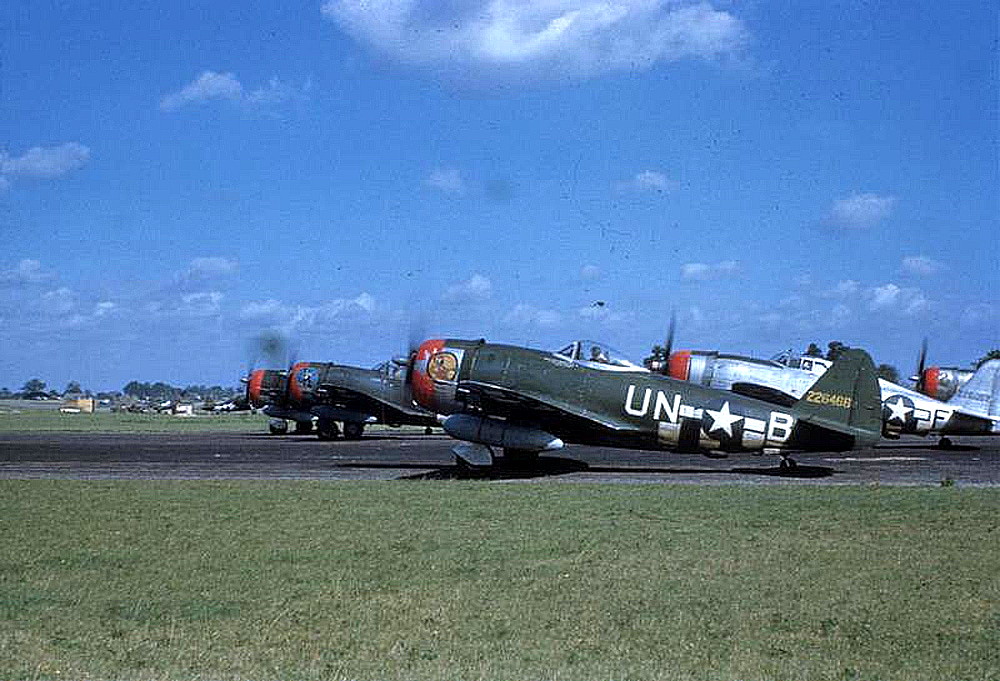
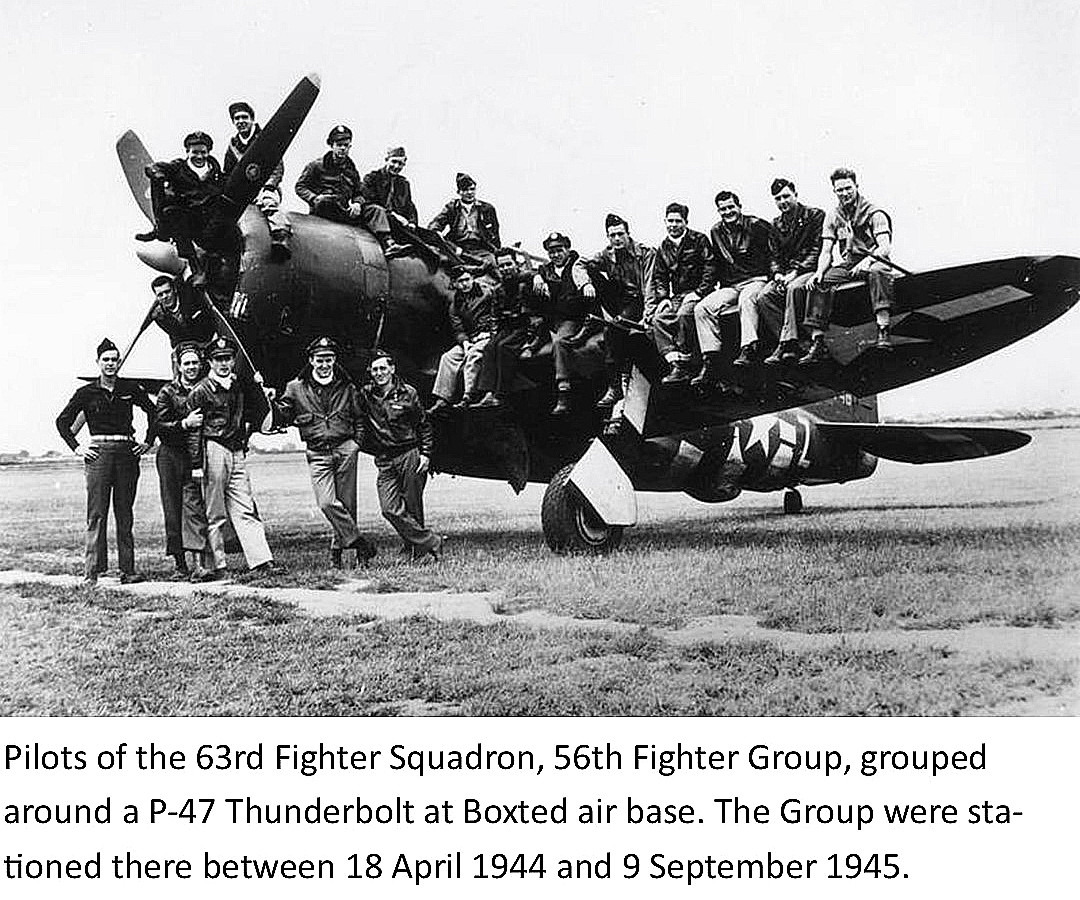
Photo Two shows P-47s lined up to take off. Note two different models of the P-47 in this photo.
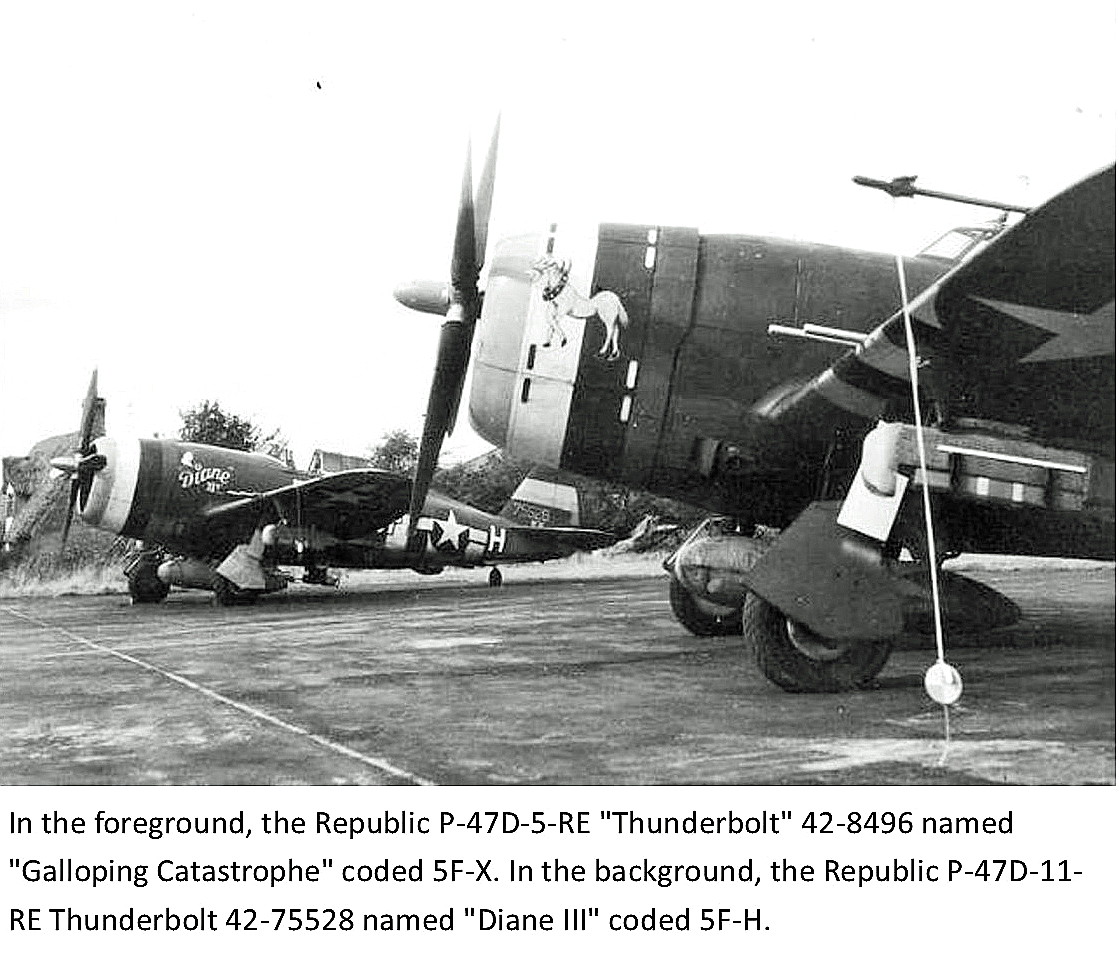
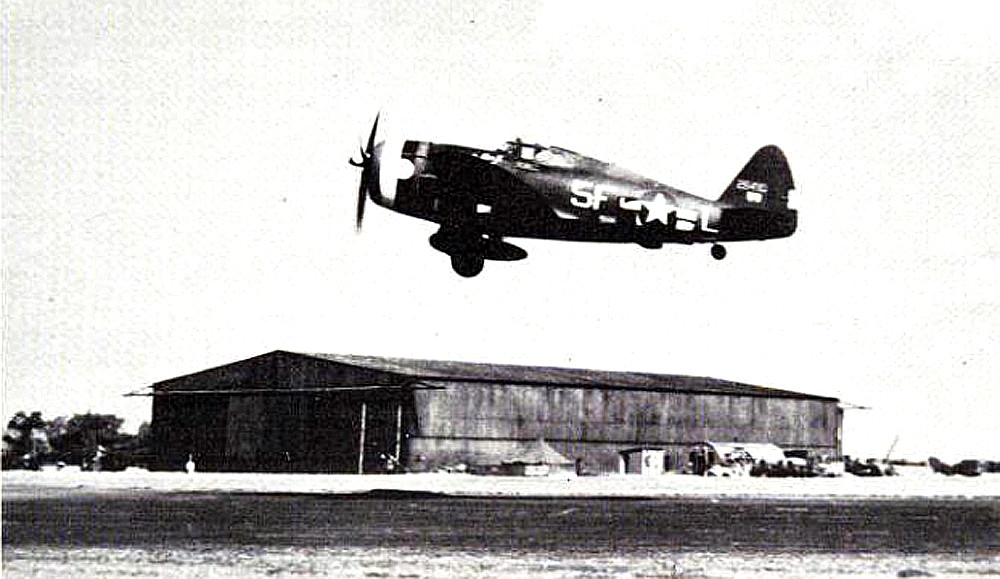
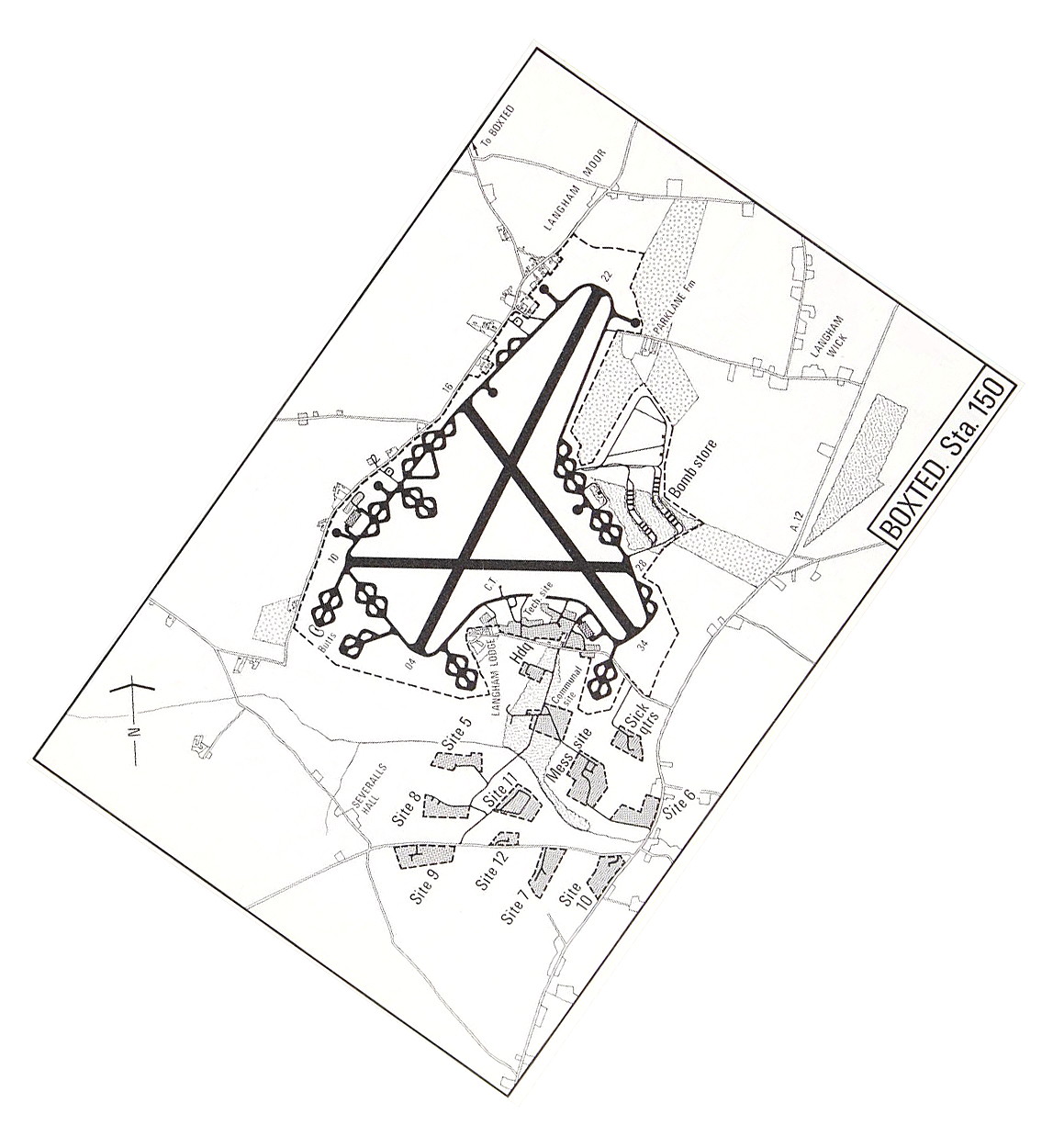
Photo Five is a rare picture. A P-47D Thunderbolt taking off on a ASR mission. Courtesy of Mighty Eighth War Manual by Roger A Freeman.
THE NORTH AMERICAN P-51 MUSTANG ERA (From the American Air Museum)
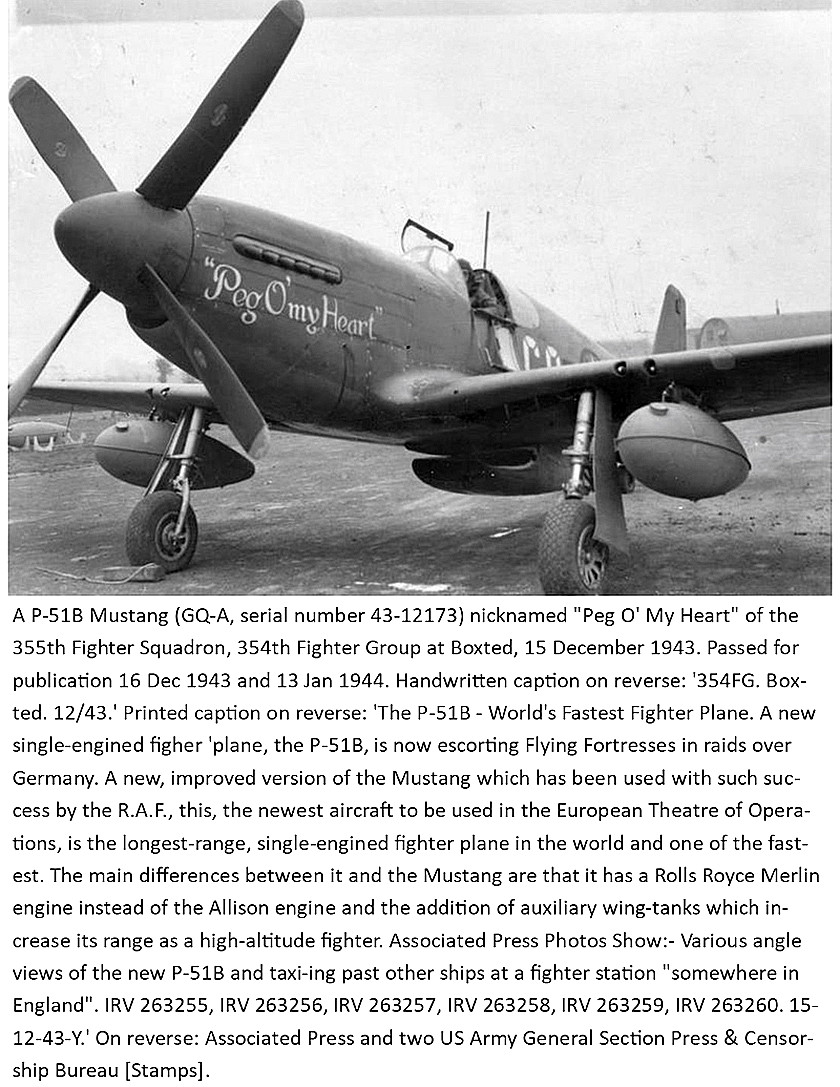
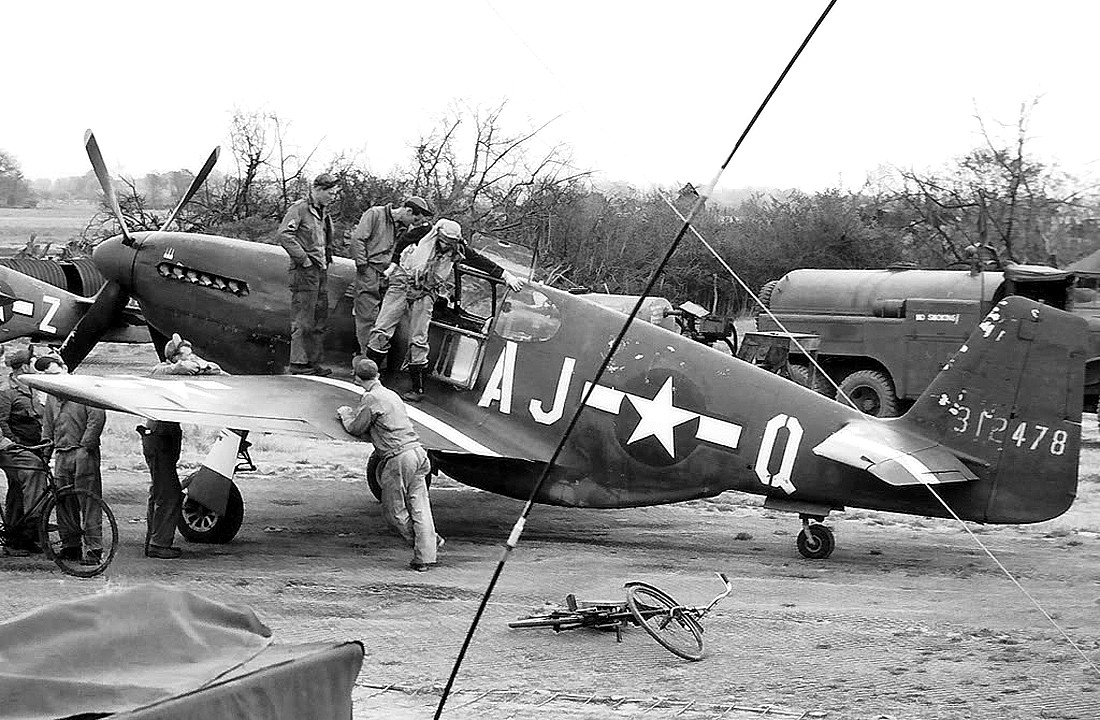
NOTES: Unlike the 4th Group at DEBDEN who were re-equipped with P-51 Mustangs the 56th retained their P-47 Thunderbolts to the end. Even so they achieved a good “score” claiming 1006.5 German aircraft destroyed, (679.5 in the air, 327 from ground attacks)
AIR-SEA RESCUE
The conversion of Republic P-47 Thunderbolts for Air-Sea Rescue work is, I think, worthy of mention so I would like to quote from Air Commodore Graham Pitchfork’s book Shot Down and in the drink, “As formations of fighters began escorting the large bomber forces, spotter aircraft drawn from the fighter wings patrolled the bombers’ return routes, reporting back to Saffron Walden the positions of aircraft forced down in the sea. Following the success of this system, in May 1944 the USAAF authorities authorized the provision of 25 P-47 Thunderbolt long-range fighters, based at Boxted, to be allotted specifically for rescue work. They were equipped to drop the RAF’s ‘M’ dinghies and smoke floats (similar to the Lysander rescue equipment), which were supplied by the RAF. The RAF contribution to augment this service was an agreement to make available six Warwick aircraft, equipped with airborne lifeboats, prior to each 8th Air Force operation, in addition to two Walrus aircraft at Martlesham Heath, all of which could be diverted to the scene of any USAAF incident at the request of Saffron Walden.”
CROP SPRAYING
In the early 1960s at least a combined crop spraying and small flying school business was based here and when the instructor, (owner?), was killed in a crop spraying accident, it appears the airfield then closed for many years. However, in later years, (from when?), a 'Fly-in' event has probably taken place at least once each year. When driving past in 2006 signs for a Fly-in on 9th and 10th of September were posted all around the local area. The Google Earth detail above shows that the preparations were being made more for a serious air-show rather than just a Fly-in.
We'd love to hear from you, so please scroll down to leave a comment!
Leave a comment ...
Copyright (c) UK Airfield Guide