







Liskeard flying sites
Note: This map only shows the location of Liskeard town within the UK.
LISKEARD see also LODGE
LISKEARD: Temporary landing site
NOTES: On his way back from a ‘Daily Mail’ sponsored tour of at least CORNWALL, DEVON and SOMERSET in May and June 1912 Henri Salmet landed his Blériot monoplane in/near Liskeard and displated here. Is the exact site known today?
There can surely be little doubt that the ‘Daily Mail’ were rather shrewd in backing Henri Salmet. He really was determined to deliver value for money for his sponsor. Time and again he back-tracked if the weather looked favourable. Just consider his course from Liskeard to Taunton on the 28th June 1912. Liskeard – St Germans, Devonport, Plymouth, Modbury, Ivybridge, Totnes, Newton Abbot, Teignmouth, Torquay and then Paignton. Turning back to over-fly Torquay and Teignmouth…then onto Dawlish – Exmouth – Exeter – Bradninch, Wellington and eventually Taunton. A distance of 132 miles flown in 88 minutes it is said. A “remarkably fine performance.”
I have checked these figures and it would appear that Salmet averaged just on 90mph over the ground….which seems rather unlikely? Or is it? The only speed reference I can quickly find for this type of aircraft is for the earlier 25hp ‘X111’ version which broke the World Speed Record at 47.85mph. This 50hp Gnome rotary version would have been faster of course and with a reasonable tailwind of about 30mph at 3000ft it certainly would have been possible. Wind strength usually decreases nearer the ground of course and today most display pilots wouldn’t dream of flying such a type unless the conditions are nigh on calm.
DARE-DEVILS
However, things were very different in those days and they weren’t known for being dare-devil pilots for nothing, often risking their lives so as not to disappoint the crowds. In this respect alone nothing much has changed even today, except we now call them Air Shows. Incredibly an account of that flight either penned or told by Salmet was published in detail by the Torquay Times on the 28th June 1912. My very good friend Maurice J Wickstead found it and sent it to me. I think it deserves to be told once again in full, over a century later:
“It was splendid fun that flight. I never saw so many people in my life. As soon as I got up fairly high, I saw that the weather was better in the higher levels and that I could safely make a really big flight. I rose to 3,000 feet and kept at that all the way. As far as possible, I made a water flight of it, that is, I followed the rivers and whenever the sea came in sight I flew over it. I traced the course of the Tamar from Saltash to Devonport, round the point and over to Plymouth, where I circled over the battleships. Then I struck inland and leaving Totnes a little on my right, I came to Newton Abbott. From here I again followed the water down to Teignmouth, turned sharp to the right and flew over the sea round Hope’s Nose to Torquay. Here were more warships, all dressed out in flags for the Prince of Wales coming of age. Keeping over the water, I skimmed across to Paignton, swept round twice and headed back to Torquay, round the Nose again and back to Teignmouth and on to Dawlish and Exmouth."
"Here I flew up the beautiful estuary to Exeter and I can tell you, it was a relief to have something flat to fly over instead of a succession of hills and valleys. I passed Exeter on the right (avoiding flying over the town) and, just as I was abreast of it, I dropped a letter addressed to M. Letorey Professor of French at Blundell’s School, Tiverton. The professor lives in Exeter and I hope, whoever finds the letter will post it to him. I had a beam wind just then, (indicating as I suspected a fairly stiff sou’westerly), and I calculated that it would carry the letter into the middle of the town. By this time I knew my petrol must be running short, so I made as straight a course as I could for Taunton by Bradnich and Wellington, and planed down into the old field (how glad I was to see it) at 6.18 pm with a practically empty tank – it was as near as that. I was stone deaf for a time owing to the wind from the propeller and height I had flown, but was so glad to be backin Somerset away from those awful windy hills and valleys of your beautiful Cornwall, that I very soon recovered.”
SOME THINGS DON'T CHANGE MUCH
I would feel fairly confident about being able to write a small book based on this account, illustrating the differences between what those pilots knew then and what we know now. But some things don’t change and by and large I still like to navigate in exactly the way Salmet did then. Most of todays pilots would probably complain, saying it was so much easier in those days, having no controlled airspace, ATZs etc, etc.
Here again history portrays another picture. Whilst true in 1912 the flights over ‘The Fleet’ then and shortly after by other aeroplanes had the Admiralty in a high state of excitement. It was very soon realised that not one ship in the entire ‘Fleet’ could defend itself against an aeroplane. Rather like the Zeppelin and Gotha threat in WW1 the fear of aircraft vastly outweighed their ability to do any serious damage. By 1914 when Salmet was once again flying over the Plymouth area, exclusion zones had been introduced, but nobody seems to have told poor old Salmet and summonses were raised against him in the County Courts. Exactly what came of these I have no idea - but - do you?
LISKEARD HELIPORT: Civil heliport
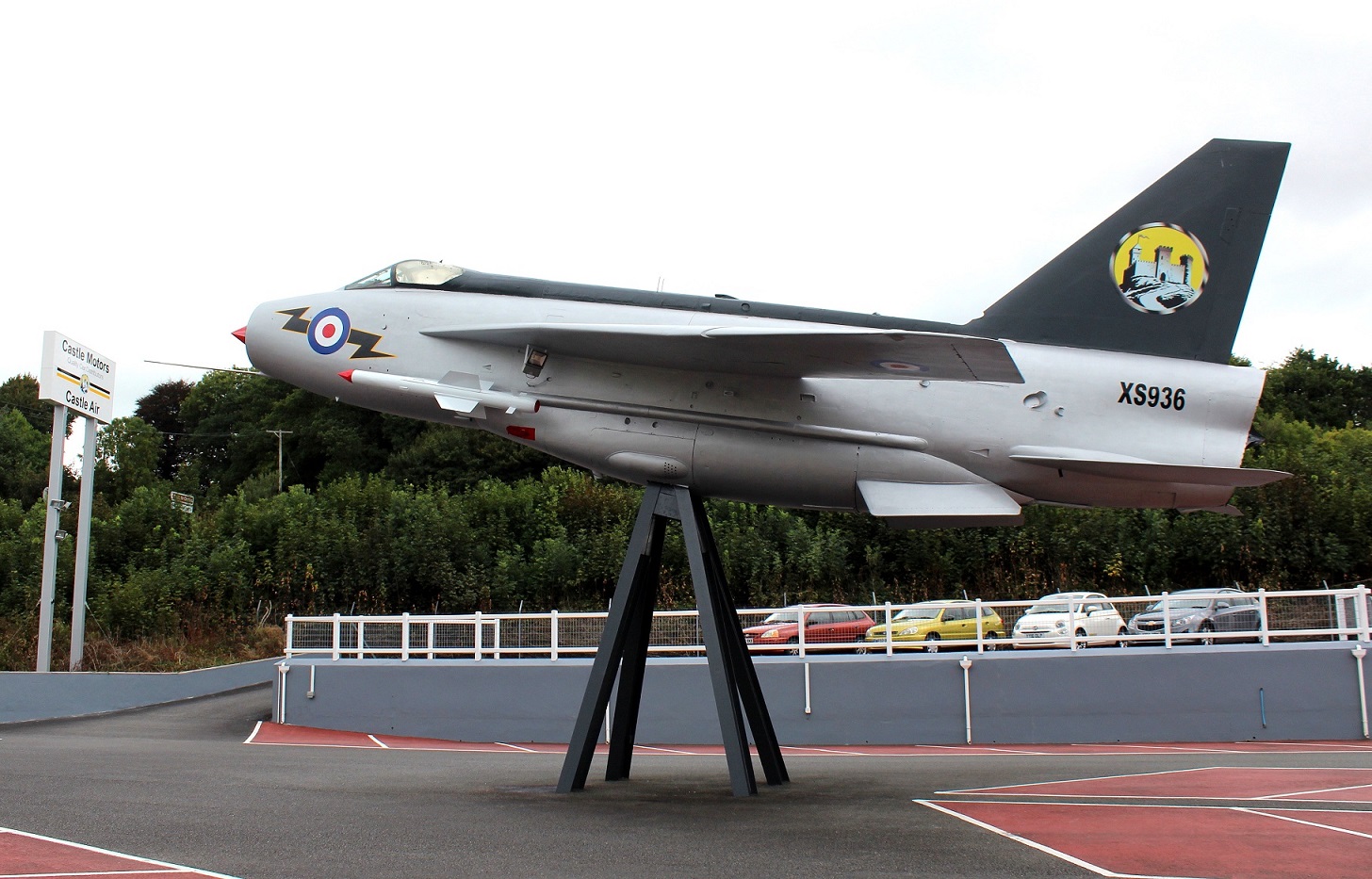
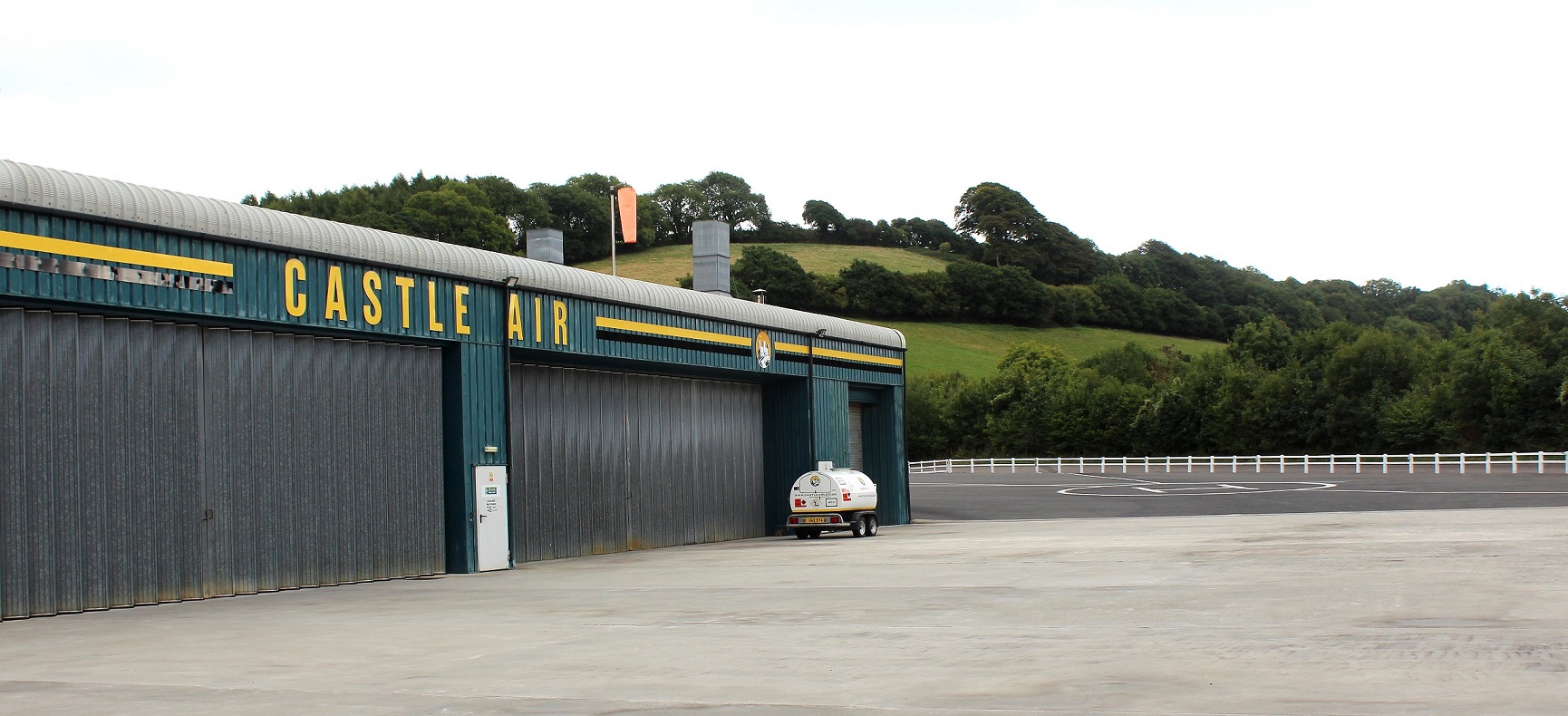

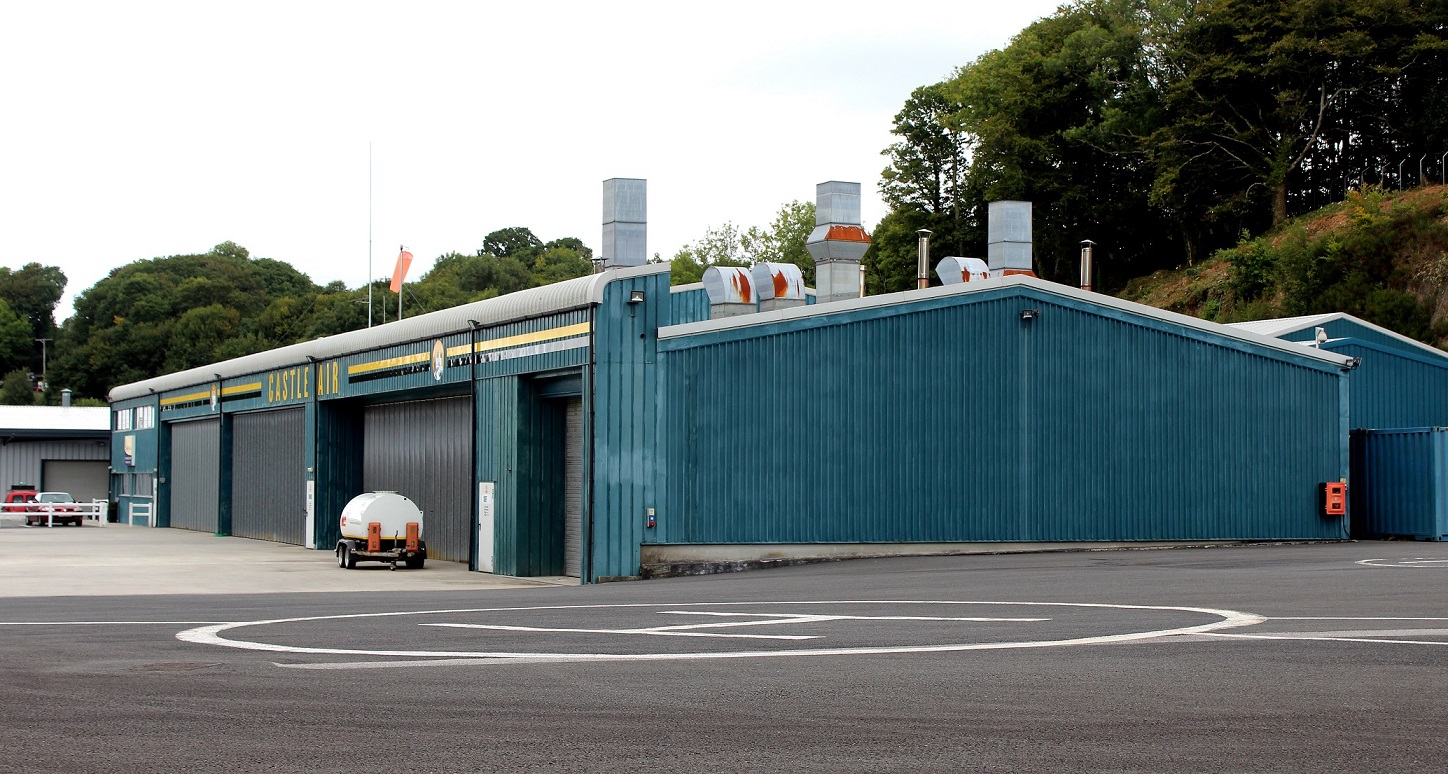
Pictures by the author in September 2018
Note: This Lightning is a 'Gate Guardian' for the entire site as you enter from the A38. Castle Motors occupy the western part of the site, and the Castle Air helicopter operation is just beyond to the east.
Operated by: 2000: Castle Air (Used to be Castle Motors Ltd)
Location: S of A38, 3.5nm SE of Liskeard
Period of operation: 1984 to -
Landing area: Asphalt/concrete pad 106x46m
MORE PICTURES:

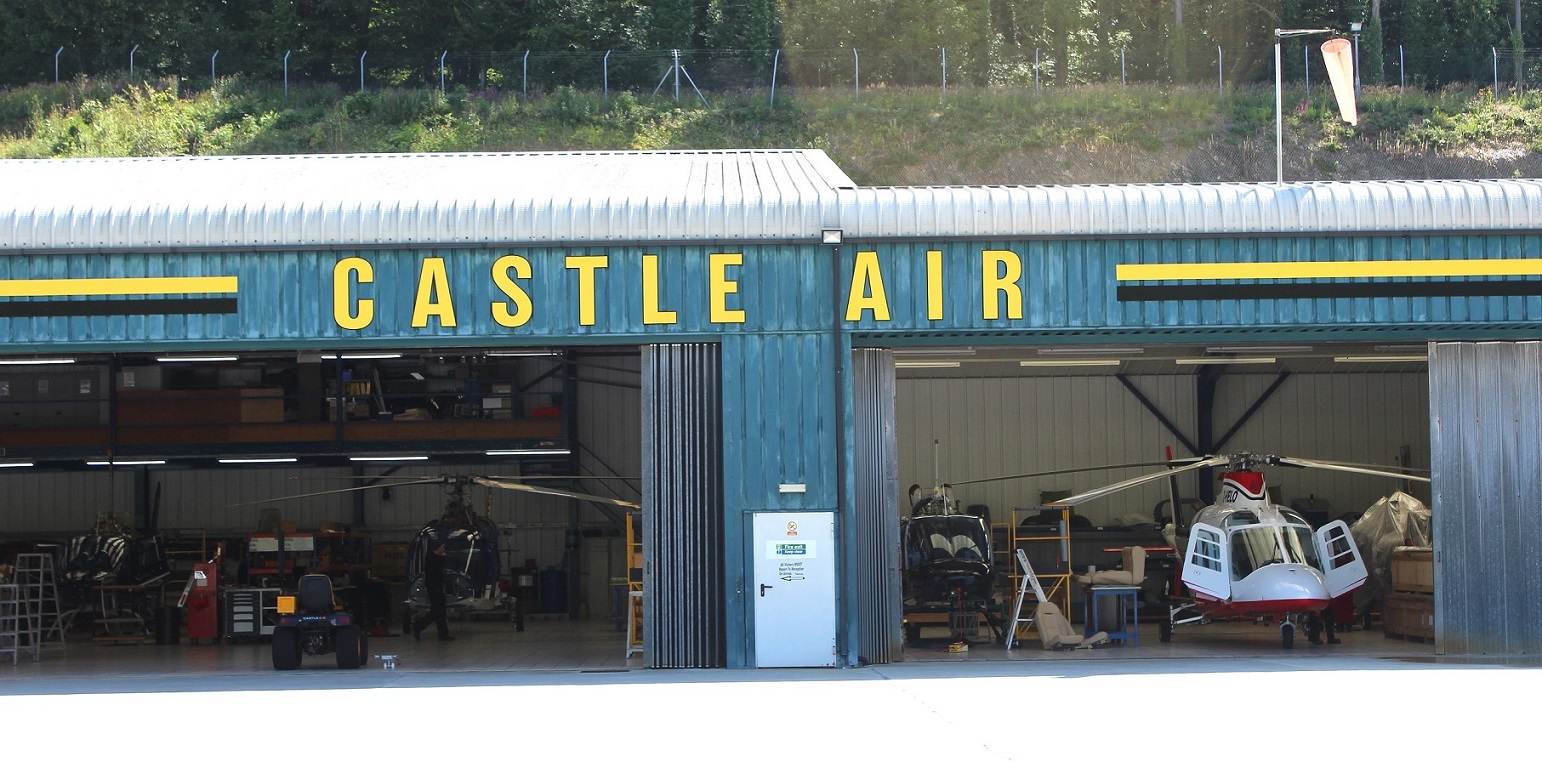
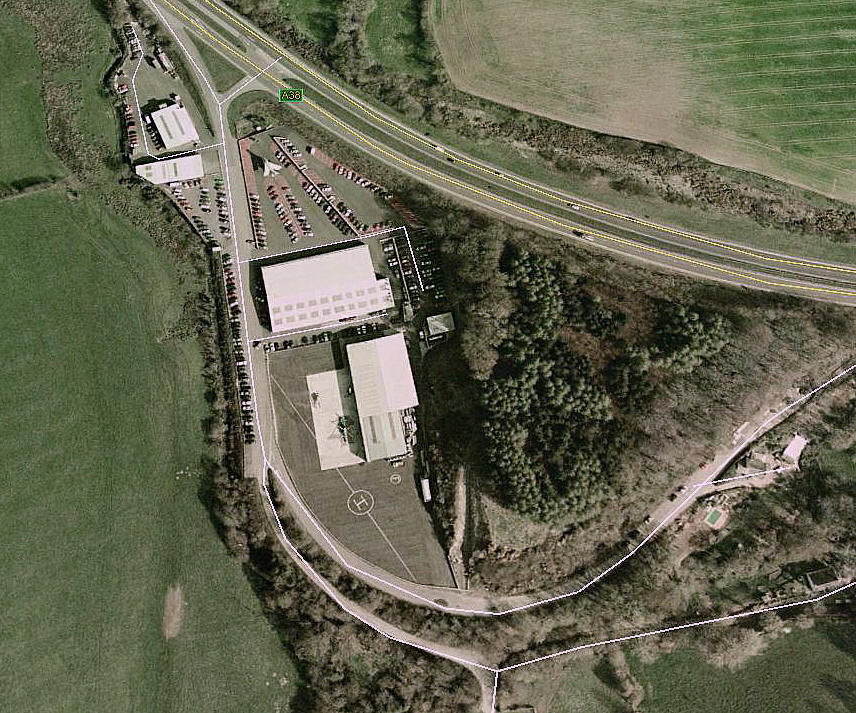
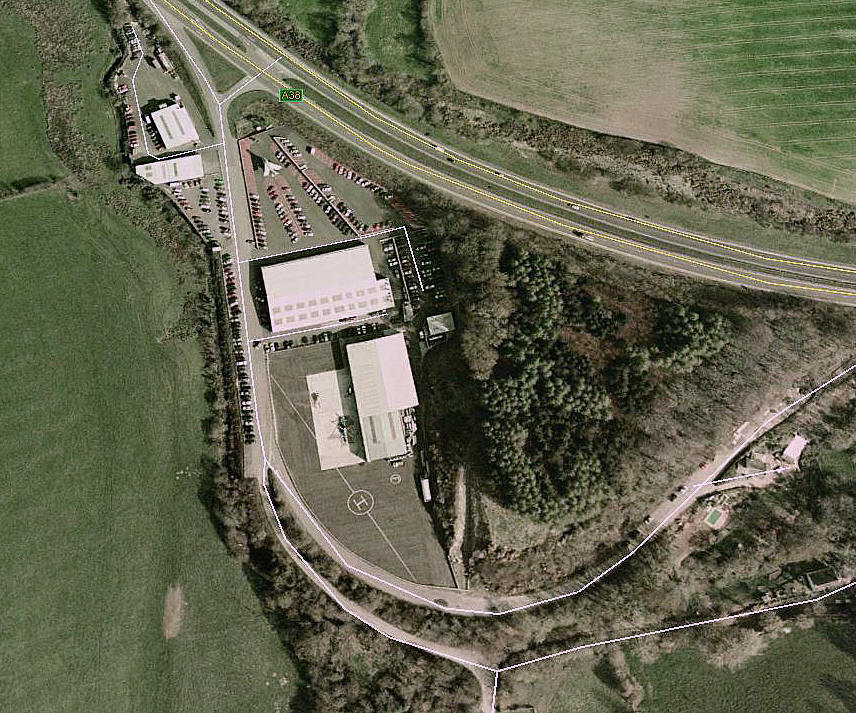
Note: The first two pictures are by the author, the third and forth were obtained from Google Earth ©
A VERY BRIEF VISIT IN APRIL 2023
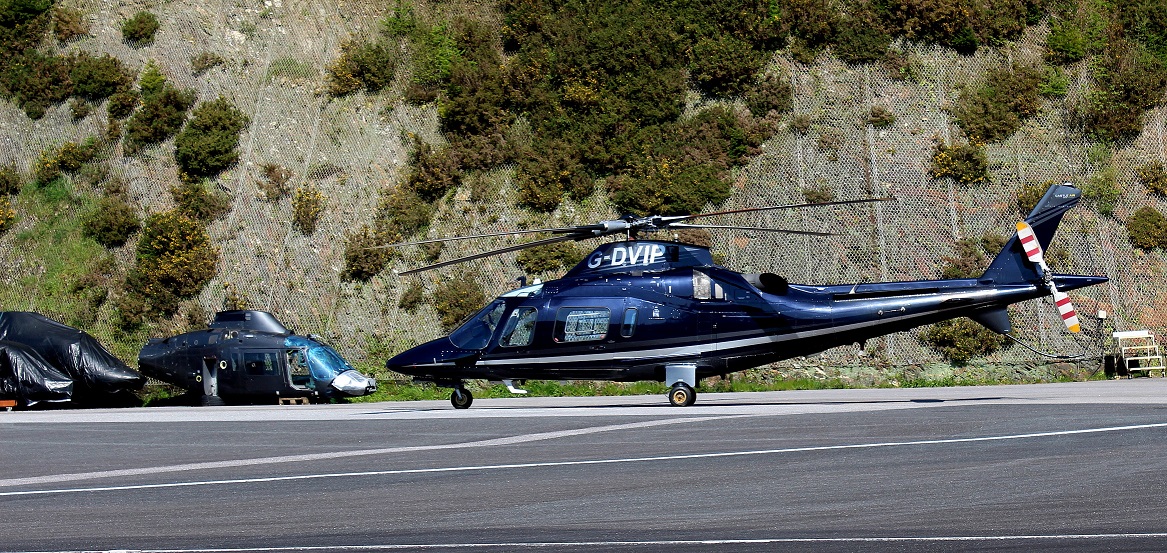
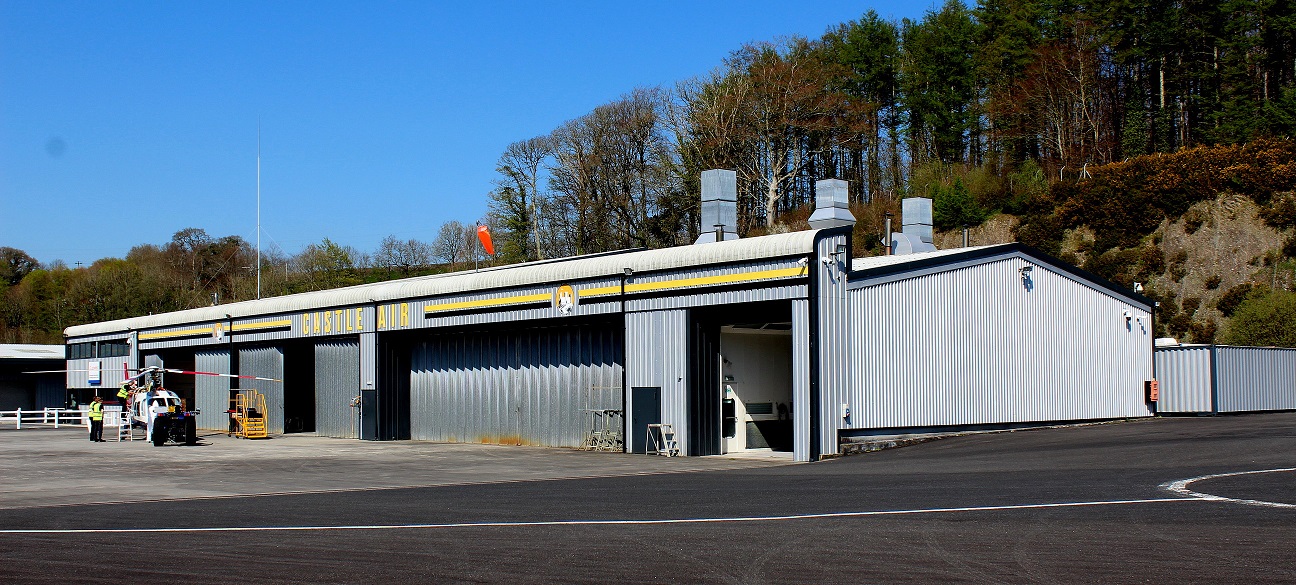
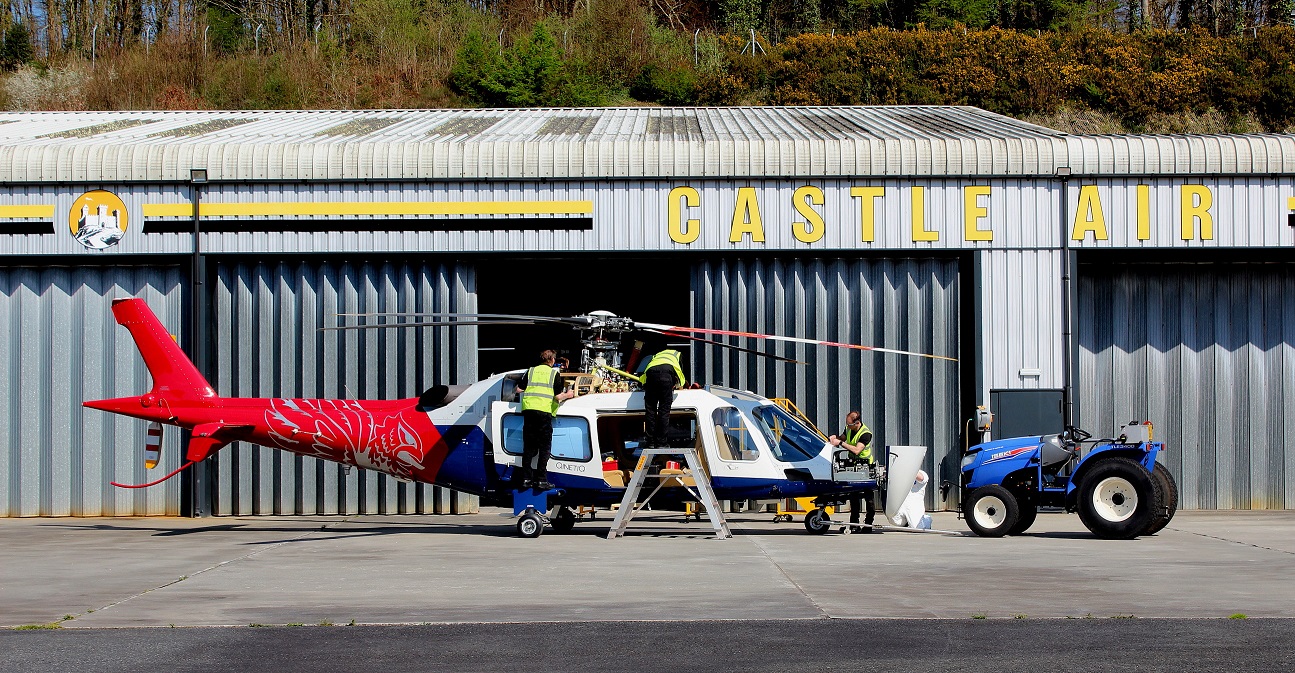
Note: This quick visit proved to be of some interest. Not least because there were two helicopters to be seen which I was kindly allowed to photograph.
The first being the Agusta A109E, G-DVIP (ex VH-VIS), which has been operated by Castle Air since November 2013. The second being another Agusta A109E, G-ETPI, (ex G-CFVB), undergoing maintenance, which has been registered to Qinetiq at BOSCOMBE DOWN since May 2009 as G-CFVB, and re-registered as G-ETPI since June 2019.
LISKEARD: Glider landing site
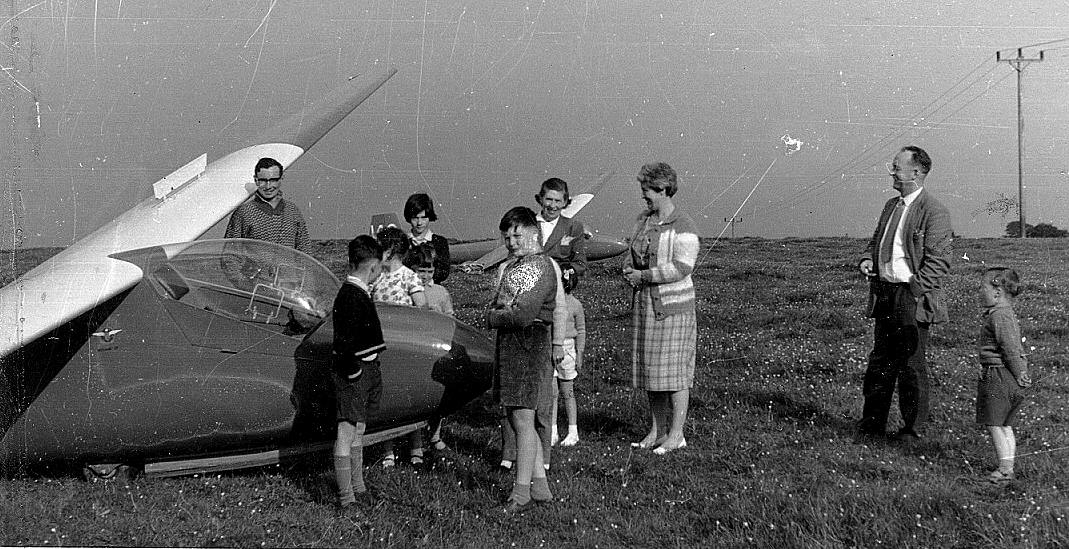
NOTE: This picture by Joe Johnson, taken in 1959, was of two gliders deciding to land in a field during the National Championship Gliding Competition. As might be expected some locals soon arrived to take a look.
See LASHAM (HAMPSHIRE) for more period glider pictures in 'The Joe Johnson Picture Gallery'
We'd love to hear from you, so please scroll down to leave a comment!
Leave a comment ...
Copyright (c) UK Airfield Guide