







Paignton flying sites
PAIGNTON: Temporary aerodrome (Both for land and sea operations)
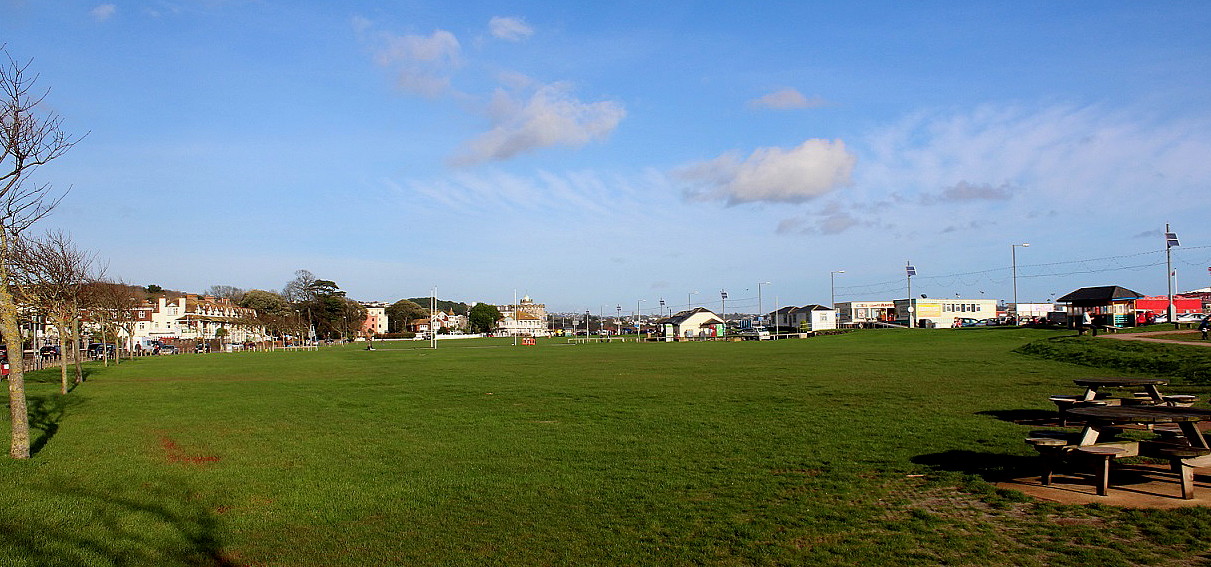
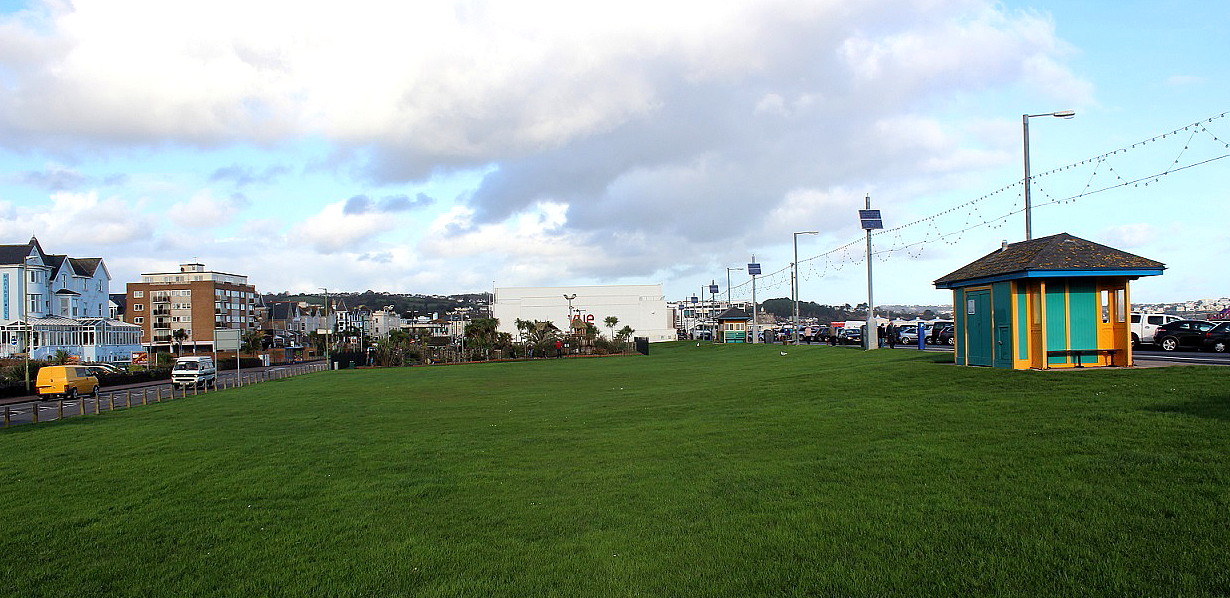
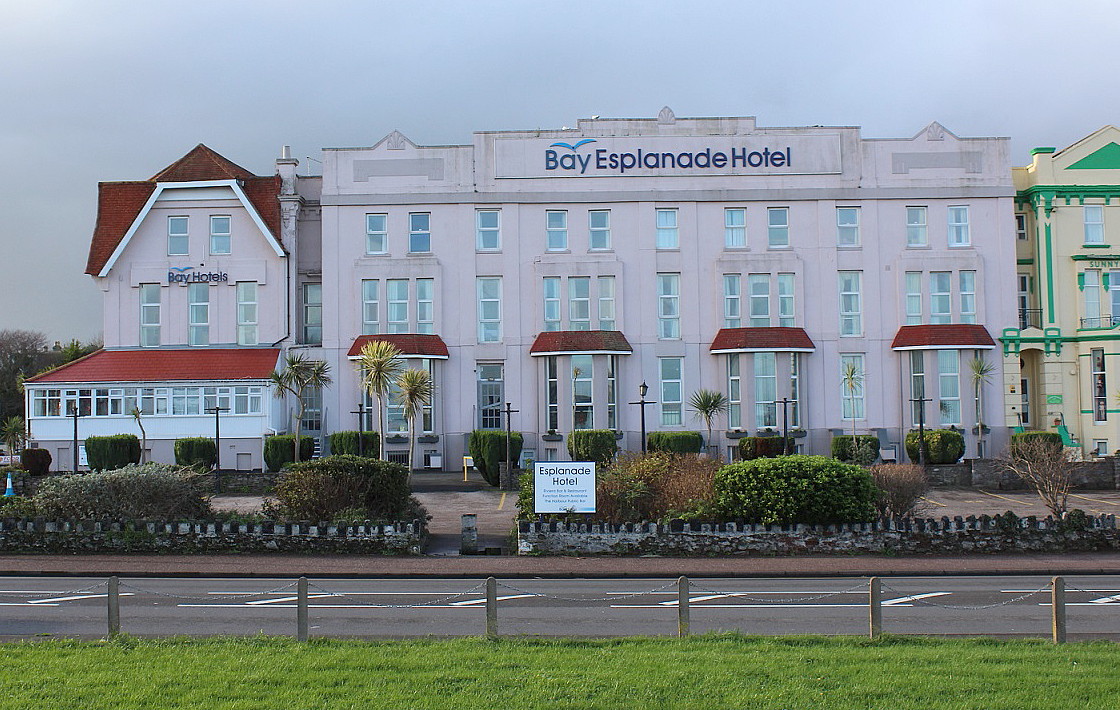
Notes: Paignton Green has long been divided roughly in half with the 'Art Deco style pavillion/theatre' presumbably being constructed in the 1920s or 30s. This building is now a cinema.
The first picture shows the northern section of the Green looking north from the mid point. The second picture is taken from the southern extremity looking north. Presumably the slope to the sea defence wall was added later? The third picture is of the 'Bay Esplanade Hotel'. Could this be the hotel mentioned in 1914? If so it was cutting edge architecture.
NOTES: Henri Salmet, flying his Blériot monoplane was apparently booked to display on the 11th April and carry passengers from Paignton Green in front of the Esplanade Hotel, Easter 1914. However, to be more accurate, it now seems that these flights were to have been from the shore as opposed to flying from the Green itself, after his aircraft had been fitted with floats.
The event was heavily advertised in advance. It is said he only made one flight here and I now discover this wasn’t a ‘display’ but a short test flight after a new engine had been fitted, the original engine having failed near Southampton. Salmet and the Blériot arrived in Paignton independently of each other by train. Being in the business of moving aeroplanes I find this situation quite extraordinary. If that was my aeroplane I’d have wanted to be there to carefully supervise the proceedings at every stage. Salmet however was quite content to leave it to others. But, we do need to remember that pilots of Salmet's stature were the ‘rock stars’ of that age, and rock stars today do not supervise the loading of their equipment onto the trucks. They appear on stage and perform and this was exactly what those pilots did having been fêted, wined and dined etc. A spare engine was rushed by rail from Paris to Dorchester, (of all places), and then by road to Paignton.
ANOTHER TAKE ON THE STORY
This 1914 Tour was, as with his 1912 Tour, sponsored by the Daily Mail newspaper. One account says that Salmet flew in to Paignton with a Blériot fitted with floats to land on the sea, near the beach, but he misjudged his landing and landed heavily causing significant damage. I now think we can discount this as it seems most unlikely that Salmet had a spare aircraft for this tour. It is only my guess but I suspect this mishap may well have been during a test flight with the new engine and after the aircraft had been fitted with floats, and also due to Salmet having virtually no prior experience of how to handle a floatplane, which is quite a science in itself. The damage resulting of landing on a sea with a fairly heavy swell? On the other hand, (see below), it is also claimed that the floats were actually fitted for the first time during this Tour, in Paignton.
It strikes me that this tale is actually quite significant in that by early 1914 Salmet had so much faith in that particular type of engine, (which was what - a Gnome rotary perhaps?), that he hadn’t planned for a spare to be available somewhere in England, despite being engaged on a tour with a very demanding flying schedule.
A COMMENT
I include the next comments from my original notes, just to show off of course! And why not because maybe I have learnt something along the way? ‘For this tour his Blériot was reported in The Times as being “a waterplane” but it obviously wasn’t since he departed from Buc aerodrome near Paris. This said, could they have been fitted here before he went to Falmouth?’ It now appears this is exactly what happened but once again things didn’t go according to plan. After the twelve minute test flight with the new engine his ‘ground-crew’ set about fitting the ‘floatation gear’ during the night. And so, it now seems, Salmet probably did use the GREEN initially for a test flight in his Blériot to test the new engine.
We can only surmise as to the exact state Salmet was in the following morning (?) and perhaps he did indeed only sip mineral water the night before? Either way he made a ‘heavy off-shore landing’ early the next day which ripped of the tail float, straining bracing wires etc. All plans to carry passengers had to be called off. Running behind schedule Salmet eventually took-off for FALMOUTH on the 23rd April carrying the tour manager, Mr Scott.
THE ARRIVAL OF AN AVRO
I have now discovered that, due to the disappointment of Salmet barely making an appearance, Mr F P ‘Freddy’ Raynham appeared in PAIGNTON flying the prototype of what was later to become the ubiquitous Avro 504. ‘Freddy’ Raynham was Avro’s test pilot and was making quite a name for himself in this two-seat trainer then powered by a 80hp Gnome rotary engine produced in France. I believe I am correct in saying these engines had only two power settings, flat out and off, the pilot needing to control the engine output with a ‘blip switch’ on the control column, especially when coming in to land.
It appears that later in the 1914 season the Daily Mail purchased the Avro for the 1914 UK Tour programme and together with Salmet's Blériot the two aircraft were placed in a hangar on ‘The Green’ erected by Mr Paris E Singer the youngest son of Isaac Singer of sewing machine fame, who, having settled in the town had developed quite an interest in aviation. The Daily Mail UK tour in 1914 was scheduled to start in PAIGNTON.
FLYING FROM 'THE GREEN'
Here is one account: “ The Easter festivities commenced at 3pm on Saturday 11th April when the engine of the Avro was cranked over and after a short run-up took off, circling the Green three times before heading towards Torquay. Their appetites whetted, on Monday a huge crowd of spectators had began assembling as early as six o’clock in the morning, to witness the Avro’s first flight as a seaplane. After a further test flight, M Salmet was invited to take the pilot’s seat for the first time for a brief run over Torbay. The aircraft, also bearing the newspaper’s logo, was then thrown open to the public at ten shillings a head. With Freddy Raynham back at the controls the Avro carried its first passenger, Mr Douglas Hogben of Paignton. Soon afterwards, the Avro bore aloft its first lady passenger, a Mrs Bryant also from Paignton.” During the week, about 20 passenger flights were made by Raynham, before he continued his tour round the country to FALMOUTH, and later went up north at least as far as SOUTHPORT (LANCASHIRE), before flying across to Ireland.
ANOTHER NOTE: The declaration of war on August 4th found the aircraft at SHOREHAM in SUSSEX, where it was commandeered by the military. Two days later, whilst on delivery to the Royal Naval Air Service, the engine failed on take-off and with no reserve height, Raynham was forced to put it down on land, where it was damaged beyond repair.
A RARE AND ASTONISHING ACCOUNT
In April 2017 I was very kindly contacted by Jane Tait who has deciphered personal letters from her grandmother, Grace Grove. Included in these were letters to her fiancé in New Zealand, and she was on a world tour from New Zealand with her mother. At this time they had been renting a house in Paignton The letters include accounts of the flying from Paignton and gives such a vivid impression and details of the events that I have copied them out in full.
Thursday 9th April 1914: "There's to be great excitement on Saturday. Two "Daily Mail" hydroplanes are coming to give demonstrations. They will take passengers. I'm dying to go but mother won't hear of it. It would be lovely, wouldn't it? I guess you'd be up like a shot, wouldn't you!"
Good Friday 10th April 1914: "After church we went for a walk around the sands. Had a good look at the biplane and hydroplane that are going to fly tomorrow. Then sat and watched the people for some time. There were thousands on the waterfront."
Saturday 11th April 1914: "In the afternoon we went to see the flying. There are two open football grounds right on the parade and they flew from there. 3 o'clock was the advertised time and about 3.15 the "Avro" biplane went up without any trouble at all. She flew right over our heads across the bay and round the Pier several times. It was a glorious sight. The people got very excited when she came right over us. M. Salmet didn't arrive in the hydroplane as he broke down somewhere. But I'll send you the paper telling you about it." Isn't this fabulous - it really does just about put you on the spot - at the time.
"We came home about 5. Just before tea I happened to go upstairs. I heard a powerful engine humming somewhere but didn't take any notice. Then I looked out of the window to see everyone in the middle of the road craning their necks upwards. I bolted downstairs, called to mother, and we flew outside. Sure enough we could just see the machine overhead at a terrific height. Then it came lower and lower looking like a huge dragonfly. With the glasses, (Authors note: As binoculars were commonly called), we could see "Daily Mail" underneath quite plainly. It circled around just above us several times and then shot down out of sight on the beach. The starting and landing is the prettiest part I think."
Monday 13th April 1914: "We went out to see some more flying. Just got there as the hydroplane was ready." (Authors note: In later years these are described as being floatplanes). "It started on the beach and ran out into the water like a boat. It flew on the water for some time then gradually rose. It was a picture. M. Salmet was the pilot. He flew round the bay and then across to Torquay and out of sight. Then he appeared again like a tiny speck and flew over our heads several times, and this, to my way of thinking, was the most wonderful part. He flew over the water, settled, and then skidded onto the beach to exactly the same place as he had started from. Then he flew again with a passenger. I'm just mad to go up but mother won't hear of it. Also I enquired the price and it's "only" £4 a trip."
To put this into perspective the average wage for a working class person was roughly around, in modern terms, £1.25p to £1.75p a week. And, the flights were just 'a quick flip' of about five to ten minutes duration. But, we do need to remember, that in those days, getting airborne was tantamount to getting a flight into space today - so very good value by comparison!
"There were thousands of people out and the beach (or "sands" as they call them here) was crowded with donkeys, booths, and hawkers etc." Can't you just envisage it all 'going off'?
Thursday 16th April 1914: "The flying has been going on regularly. On Tuesday I took the camera down and got some snaps which I'm enclosing." (Authors note - if only we could those snaps today!) "In the afternoon we walked out to the Potteries and got the things that were made for us. Yesterday I walked into Torquay and back with Miss Dolman. In the afternoon we took our sewing onto the beach and watched the flying. There were two free trips offered yesterday but mother wouldn't let me try out for them."
NOTE: This clearly shows a much bigger picture of this event than the 'recorded' history reveals. The flight(s) to FALMOUTH were simply a side show, and PAIGNTON was the main event for several days, in fact taking place for about a week and a half.
Saturday 19th April 1914: "Took our sewing onto the sands after lunch and watched the flying. Did the town in the evening. It's great fun watching people and hearing then talk."
Monday 21st April 1914: "The biplane and the monoplane were to fly as waterplanes to Falmouth so we went out about 10 to see them start. They were to race and the biplane was handicapped as being the fastest machine. About 11 the mono got away. I took the camera and got wet over my boot tops getting a snap as she went over the water. She rose beautifully but suddenly the engine stopped and down she came onto the water with an awful splosh. The crowd groaned and gasped but she righted herself and a motorboat wnt out and towed her in. The floats were damaged so that ended the flying for the morning. Salmet and his passenger got a ducking though. They were wet through when they got back."
Tuesday 22nd April 1914: "The biplane is buzzing round overhead. I can't help having a look every now and again."
Wednesday 23rd April 1914: "I had to give up writing earlier to watch the biplane. She went up to a terrific height. The papers gave it next day as 7000 feet."
I trust you will agree that this account gives not only an unique description of the events, but captures the general atmosphere and sense of excitement beautifully. It also serves to remind us today just how quickly aviation design and performance had been improving. For example, when Blériot crossed the English Channel in July 1909 his aircraft (or machine as they were then called) had a service ceiling of less than 500 ft. Which it now appears is why he chose to 'crash' land on Northfall Meadow, lying in a depression in the cliffs, as his aircraft was incapable of climbing high enough to enable a landing on top of the cliffs!
But here we read, not quite five years later, Avro had designed and built a type capable of climbing to around 7000 feet. And of course the reliabilty of the engines had generally improved to such an extent that a flight from Paignton to Falmouth, and as a race to boot, was seen as being quite feasible. However, during the weekend before entering this account, in April 2017, I was talking to the owner of an original Sopwith Pup (of 1917 vintage) which was powered by a rotary engine, and he told me that this type of engine was quite difficult to manage - and a total stoppage was always a constant risk.
PAIGNTON 1925

These three pictures were scanned from the excellent book Cornwall Aviation Company by Ted Chapman and published in 1979.
First picture c/o A.J. Adams. The caption reads: "A.J.Adams wing walking over Paignton Sea Front, Sepember 1925. This small grass strip was used for landing and take-off with passengers aboard! To avoid the lamp post PP had to make a quick turn as he took off. A windsock can be seen on the far right." This is the same site as listed above, and indeed this picture was taken from pretty much the same spot as my first picture above.
"PP" refers to Percival Philips who not only owned and ran the Cornwall Aviation Company - he was also their 'chief' pilot. And indeed, as with his employed pilots, often spent the summer season away from Cornwall giving displays and carrying passengers.

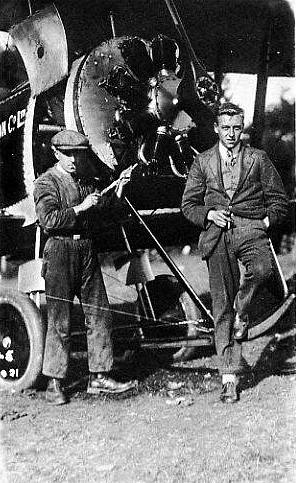
Second picture: The caption reads; "G-EBIZ at Paignton in September 1925 with Mike Crocker (St. Austell) Gerry Draycott (Heligan) PP and Mr. and Mrs. A.J.Adams." The Avro 504K G-EBIZ was Percival Philips favourite aircraft, and along with the companies other Avro 504Ks, was powered by a Gnome rotary - which they swore by. The Gnome rotary engine design dates back to before WW1, but clearly they had got it well sorted out.
Third picture: The captions reads; "F.E. Draycott (right) and Mike Crocker have removed the engine cowling and are about to dismantle the engine. Paignton, 1925." The CAC might have loved their Gnome engines, but they were nowhere near as durable in service as the modern aircraft engines then avialable. However, an in-line engine was not suitable for fitting to an Avro 504K, and it appears that the company didn't fit contemporary radial engines, and/or purchased later aircraft fitted with radials such as the Armstrong Siddeley 'Mongoose' and 'Lynx' until the 1930s.
PAIGNTON: Civil water flying site
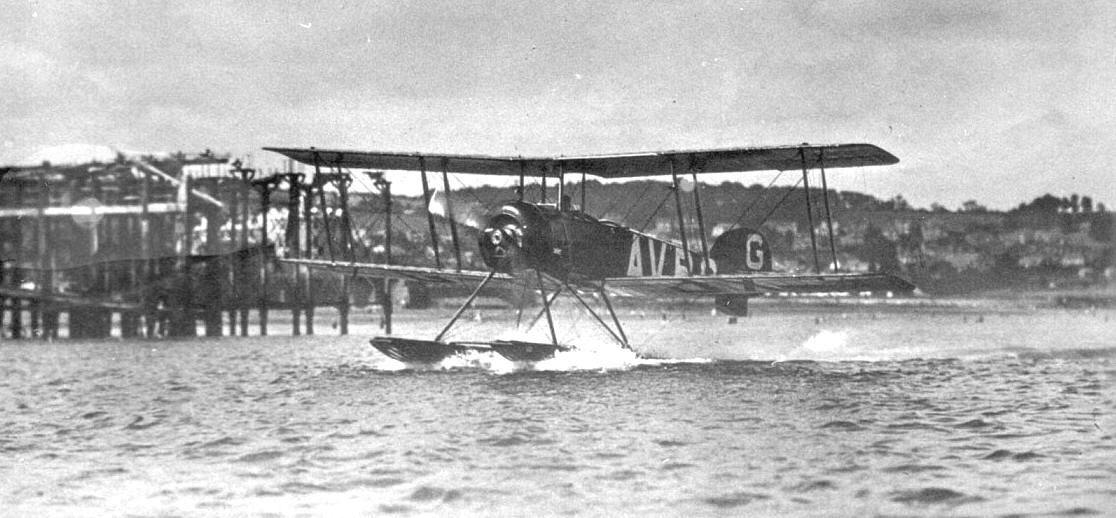
Note: This picture was sent to me by my good friend Maurice Wickstead and shows a Avro 504, (perhaps a 504K?) operating off Paignton, near the pier in probably 1919 or thereabouts. As the signage on the fuselage clearly shows 'Avro' I expect it can be safely assumed that this aircraft was operated by the Avro Transport Co, rather than the Cornwall Aviation Co.
Pleasure flights: Avro Transport Co, Cornwall Aviation Co
Location: From the beach perhaps with floatplanes
Period of operation: 1914, then from1919 to 1925 only?
NOTES: As so often in researching this Guide the question was - did Avro Transport in 1919 and Cornwall Aviation in 1925 use exactly the same site? In many cases the answer seems lost, also in this case too? However, my good friend Mr Maurice Wickstead has confirmed that in Easter 1919 the Avro Transport Company using an Avro 504 floatplane gave joy-rides from Paignton Sea Front and were based at Singer’s Garage during Easter. They returned during the August Bank Holiday, flights being flown by Captain Alan Storey.
One aspect seems certain though, in this Guide only a few of the venues operated in those early post WW1 years are recorded? At the time I expect quite accurate records were kept for accountancy purposes etc at least, but who in their right mind, (in those days), would have wanted to keep these incredibly dull records for prosterity? However, it is recorded that during August and September business was brisk, Captain Storey flying over 250 passengers.
A MICHAEL T HOLDER GALLERY
In 2025 Mike Holder, a great friend of this 'Guide', decided to have a look to see if anything else might be available to illustrate this listing. And yes indeed, there was. I trust you will enjoy the following.
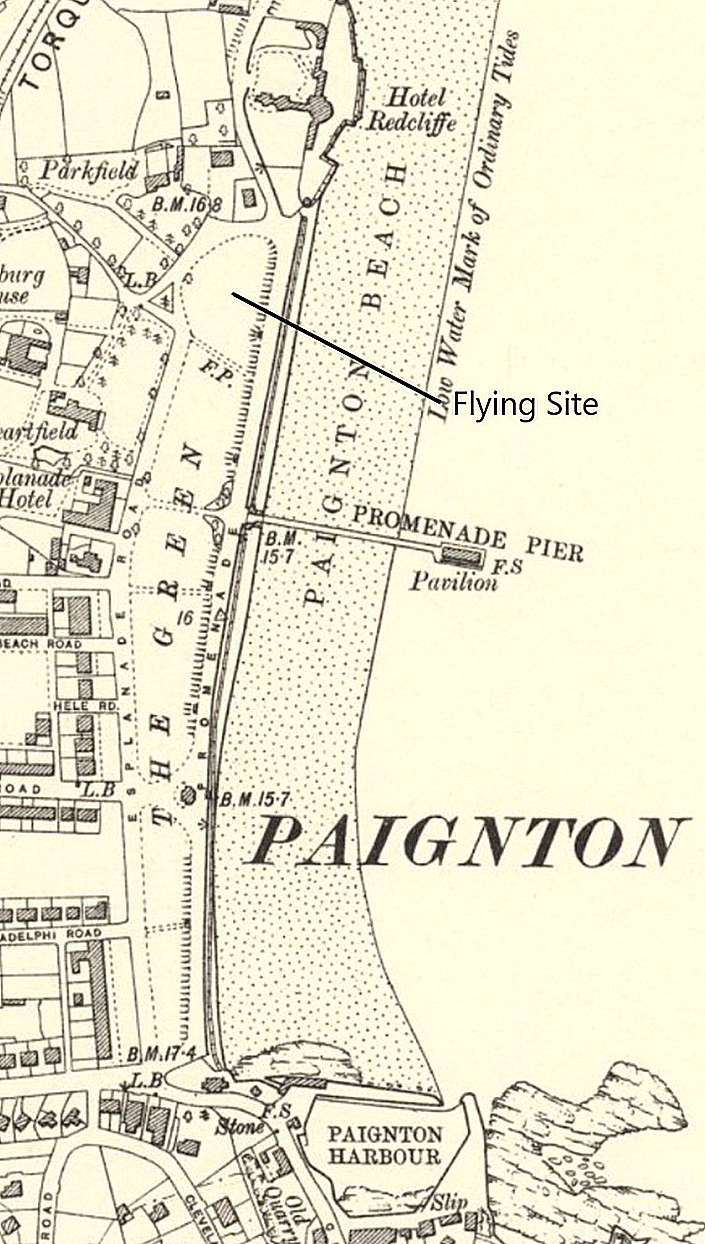
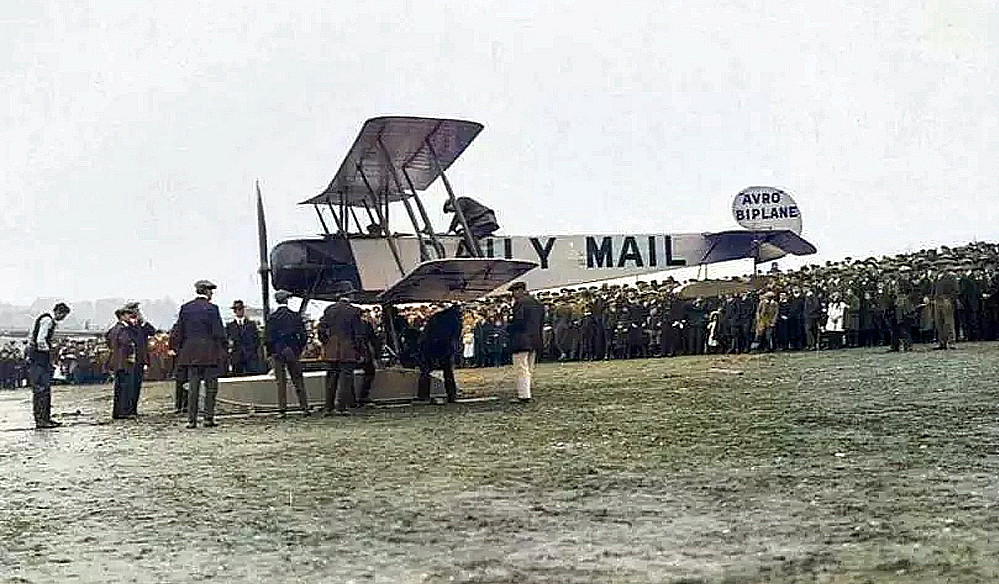
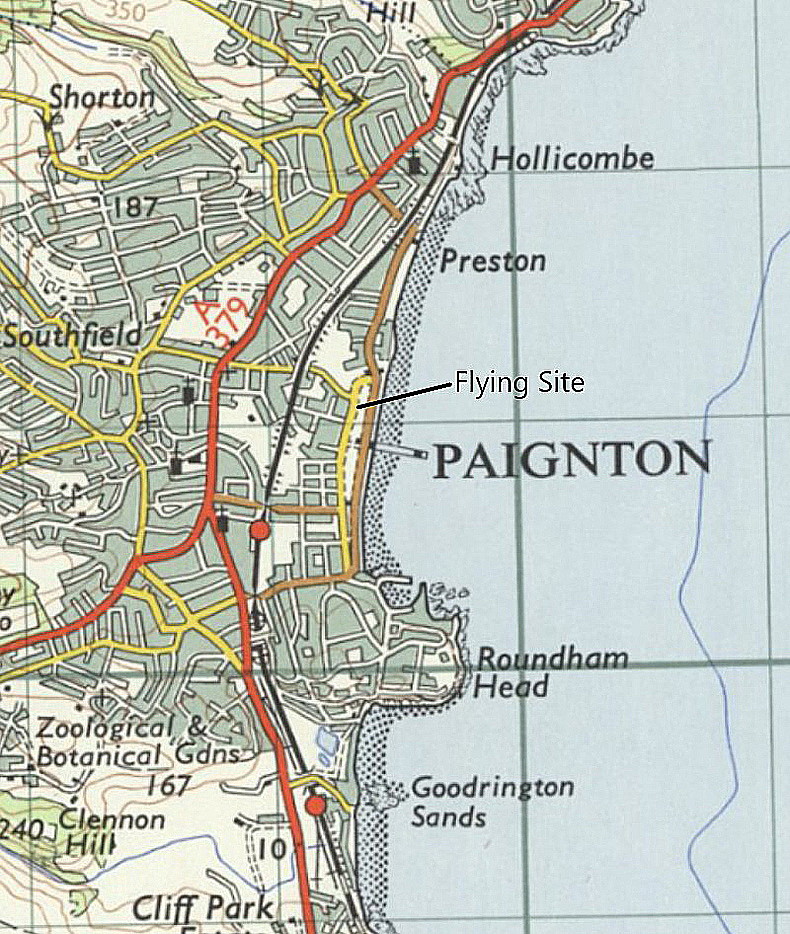
Photo One is of the Avro floatplane on the North Beach, 13th April 1914, from Devon Live.
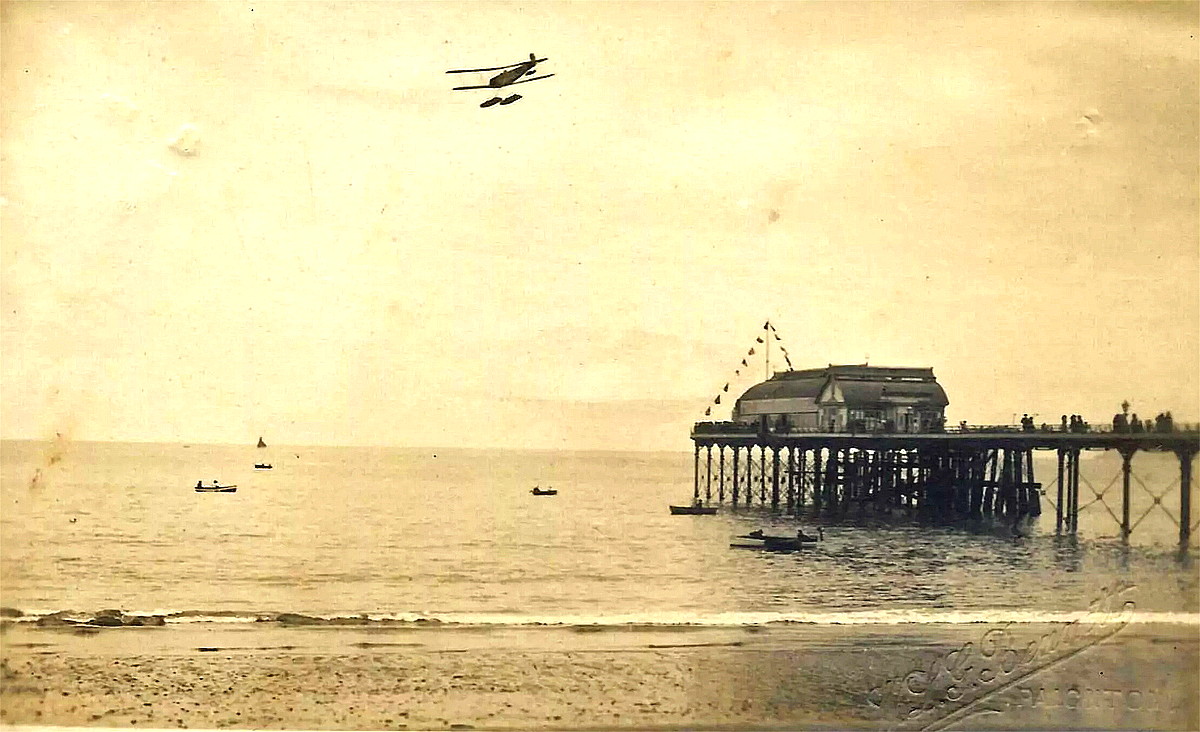
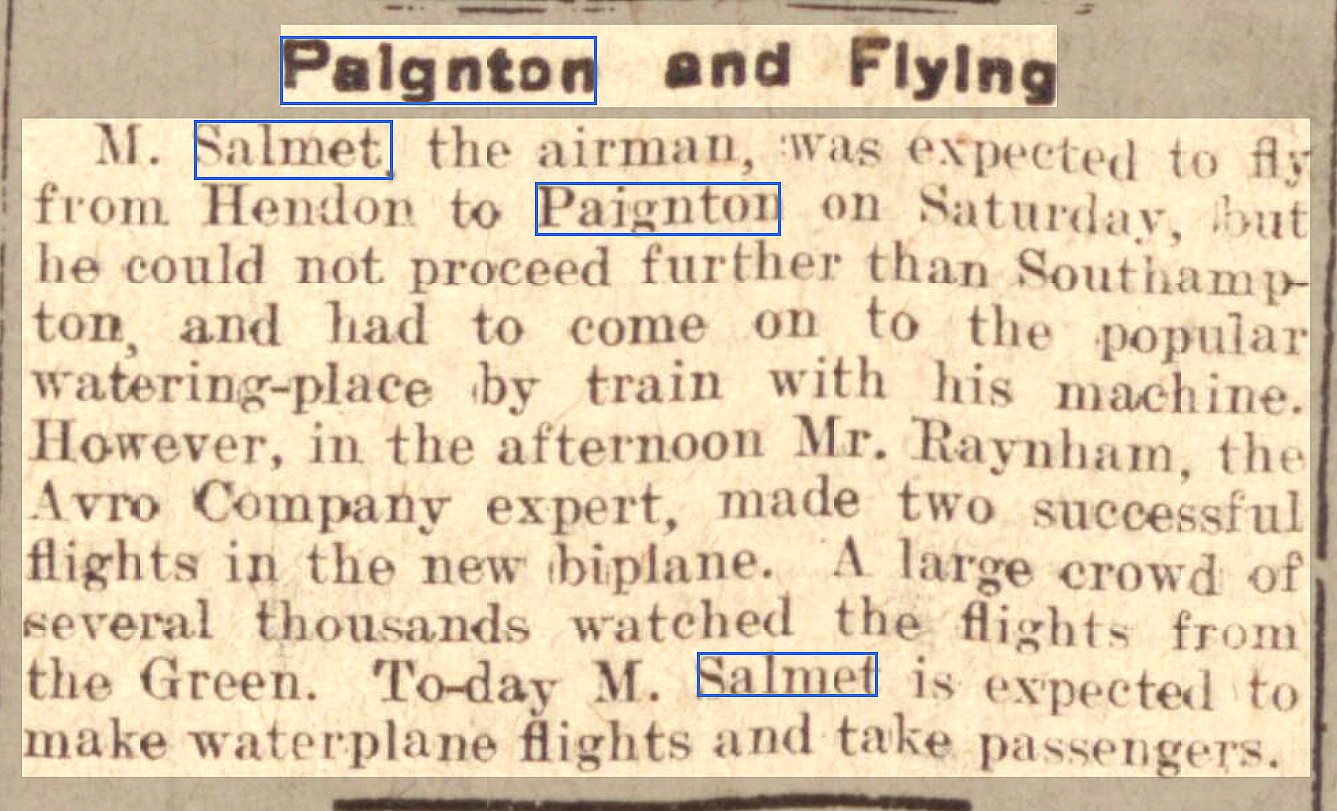
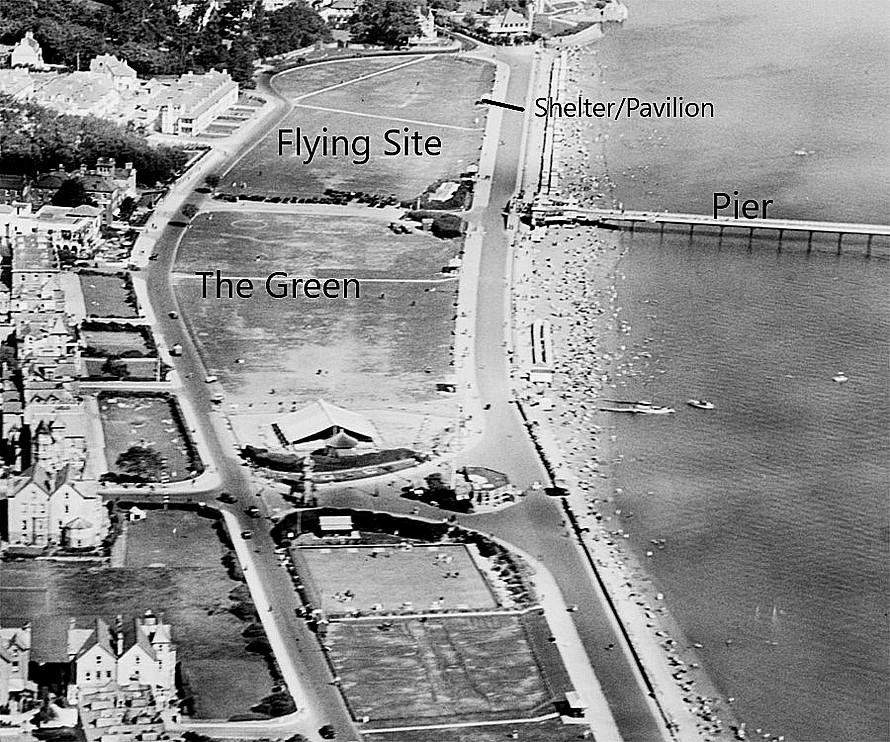
Photo Two shows the Avro over the pier on the 13th April 1914, also from Devon Live. The short article was published in the Western Times on the 13th April 1914.
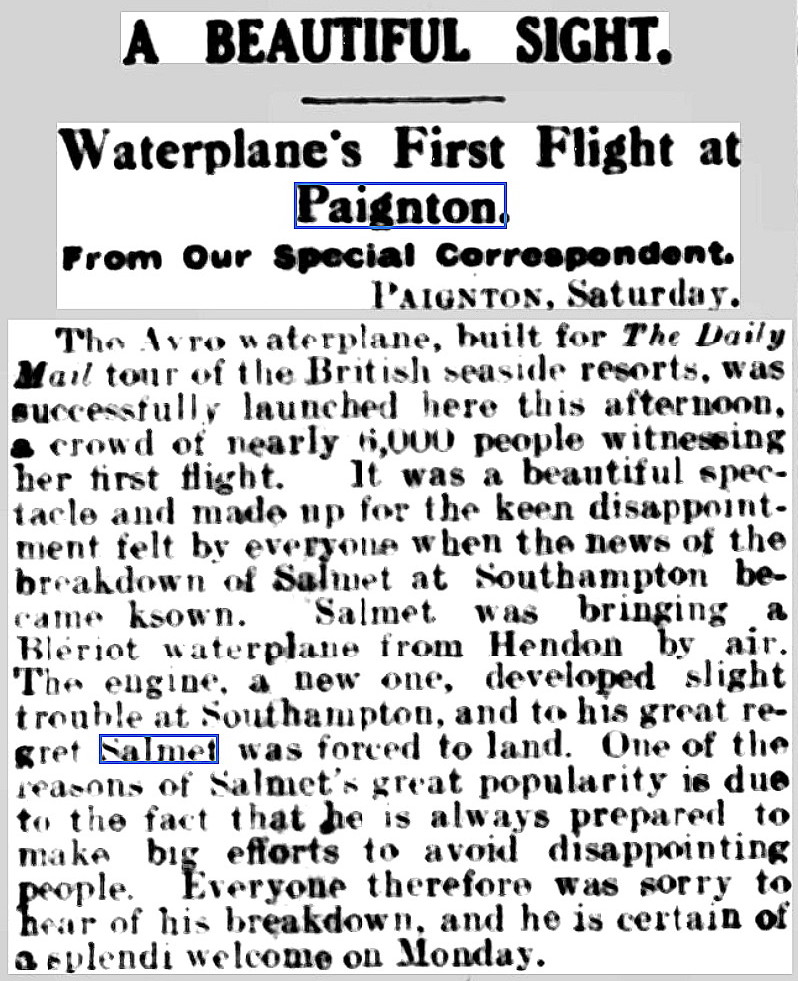
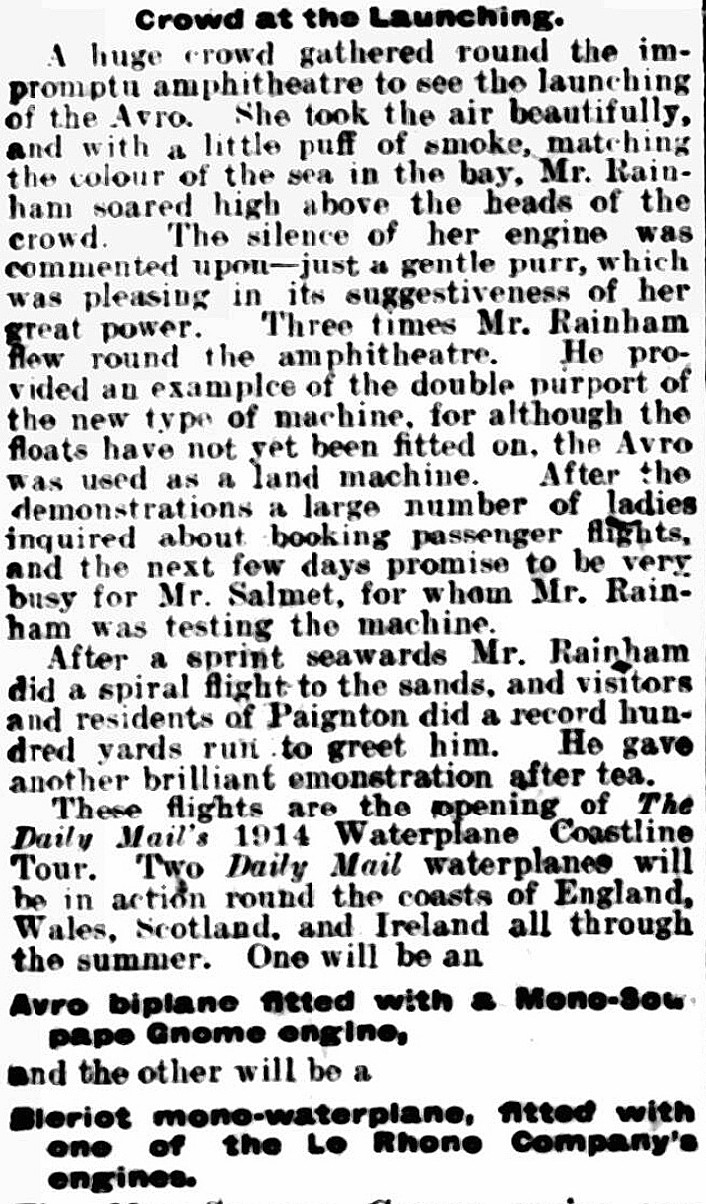
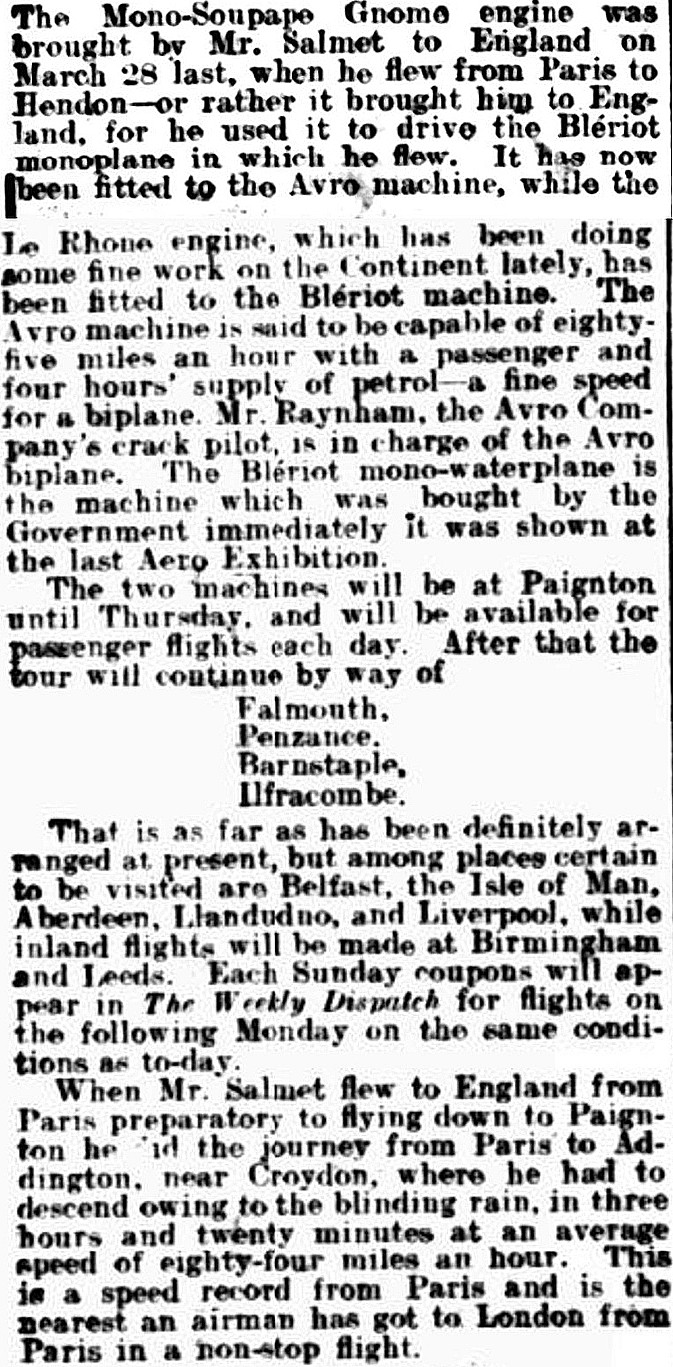
Article One was published in the Weekly Dispatch (London) on the 12th April 1914. Note F.P. Raynham's name being mis-spelt in the same article!
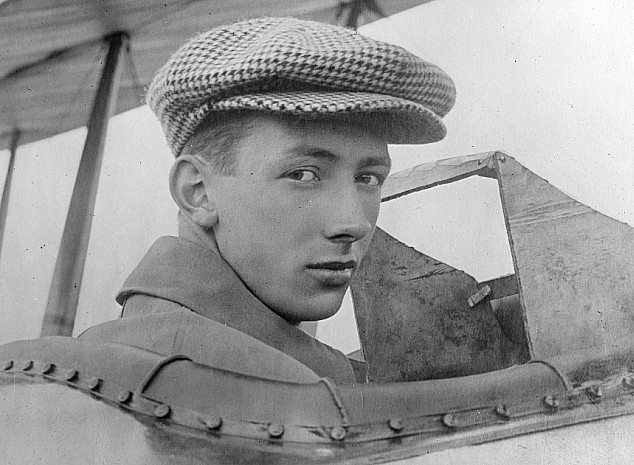
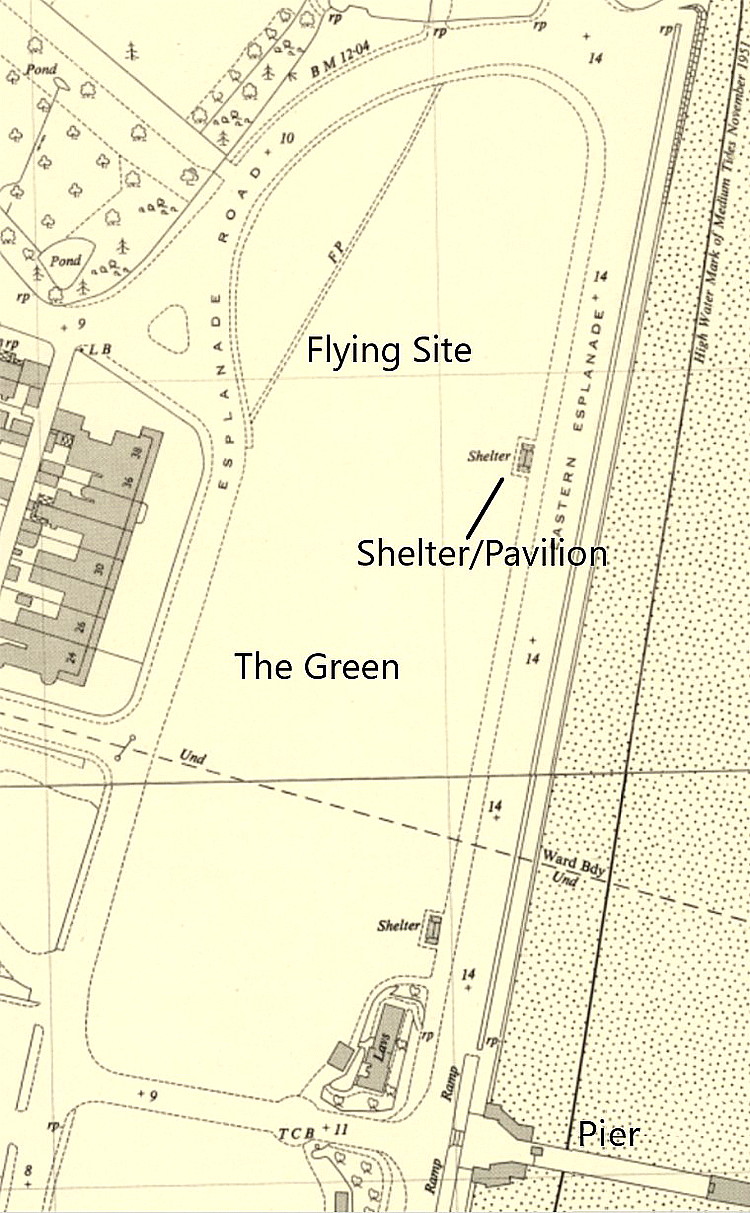
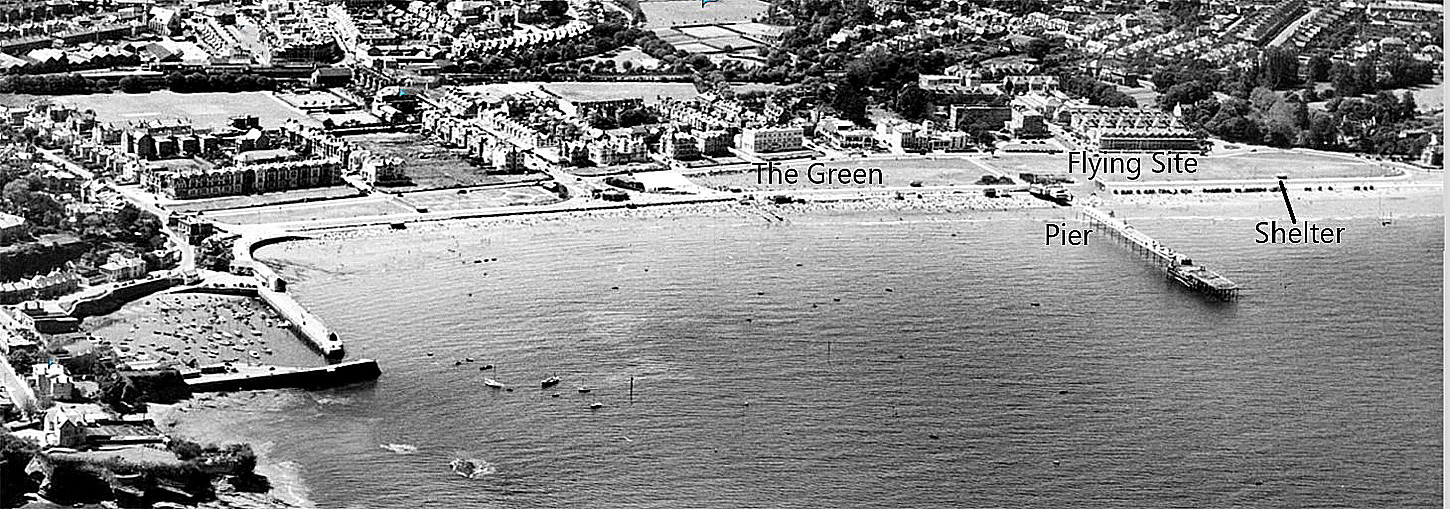
Photo Three is of Mr Frederick Philips Raynham.
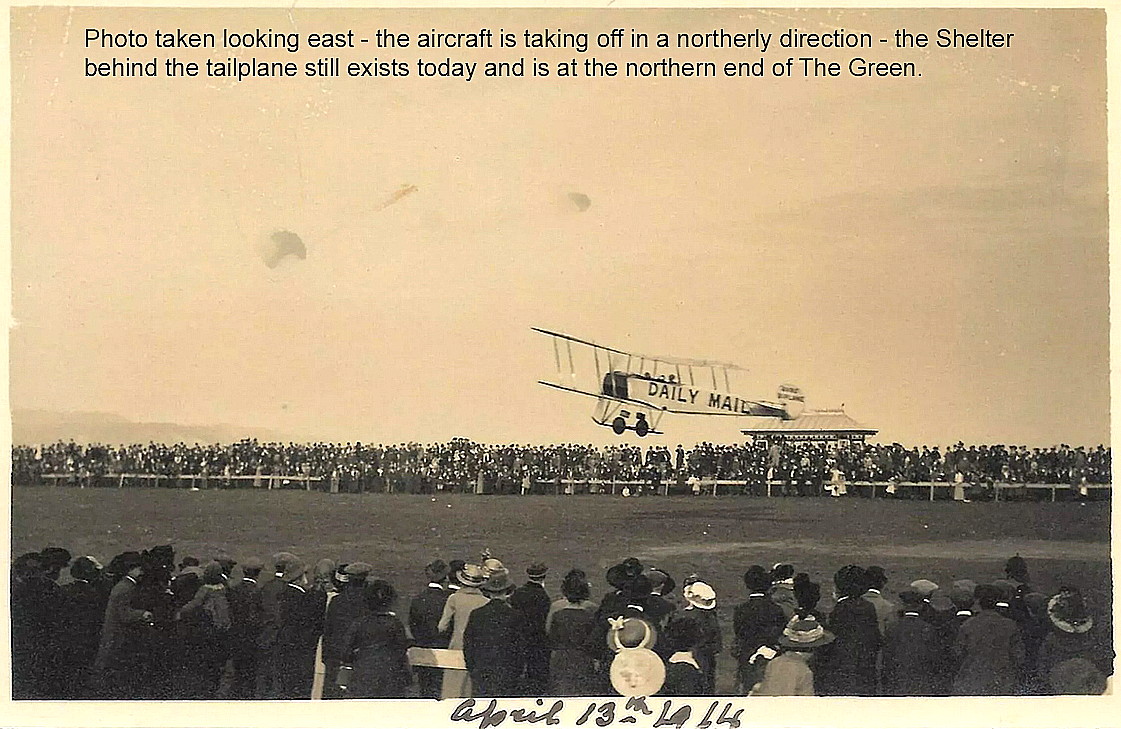
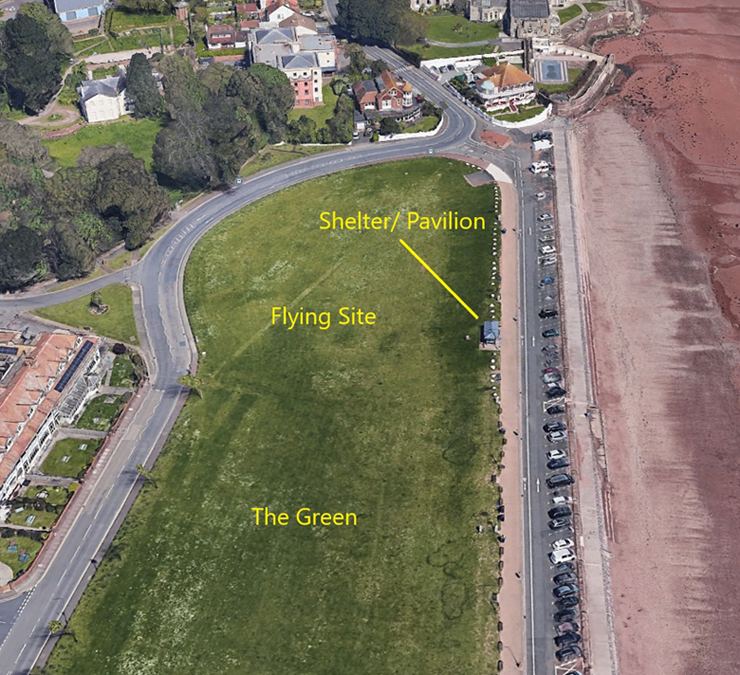
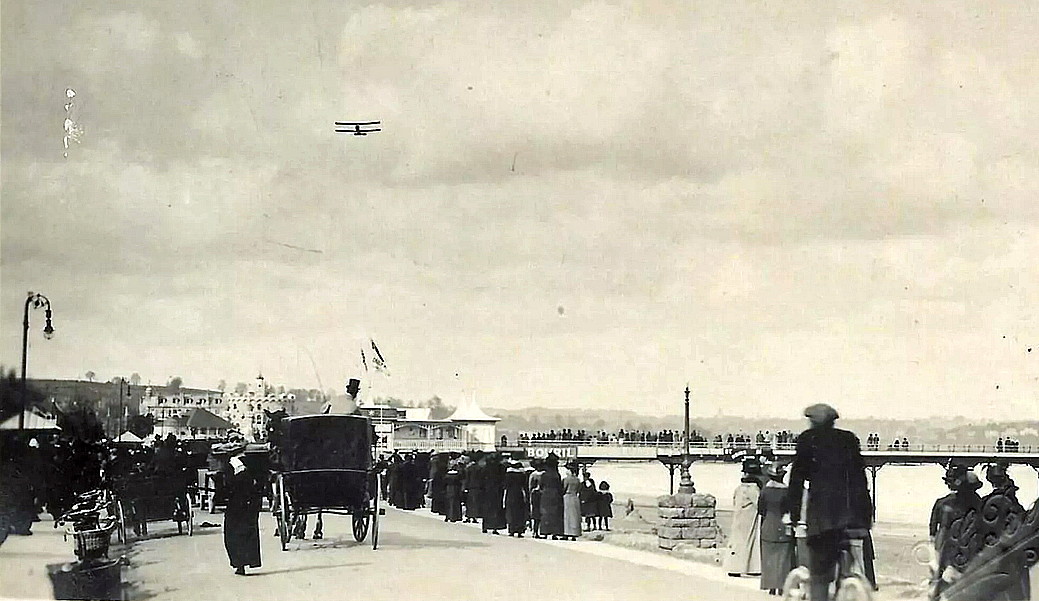
Photo Four shows the Avro, this time on wheels, taking off from the North Green. Photo Five shows the Avro about to pass over the North Green. Both pictures from Devon Live.
Of interest to me at least is that we have pictures dated the 13th April 1914, showing the Avro both on floats and wheels! Which I am pretty certain cannot be correct as it takes some time, often performed overnight in those days, to make the conversion. Plus of course, doing so during the day would prevent the pilot/aeroplane from earning much needed revenue.
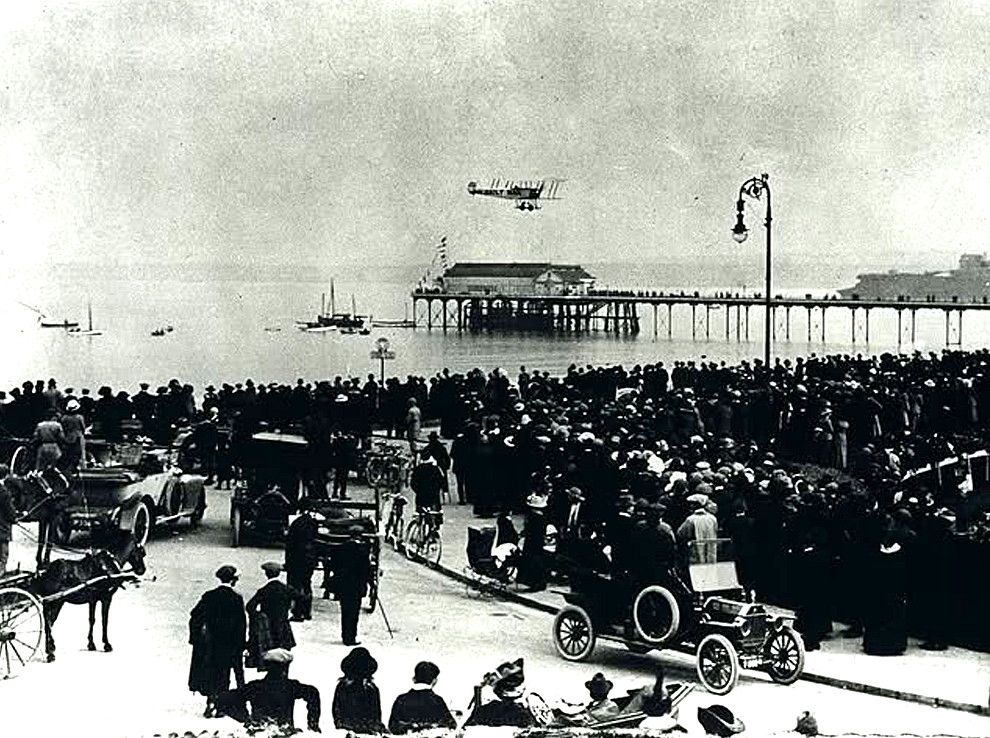
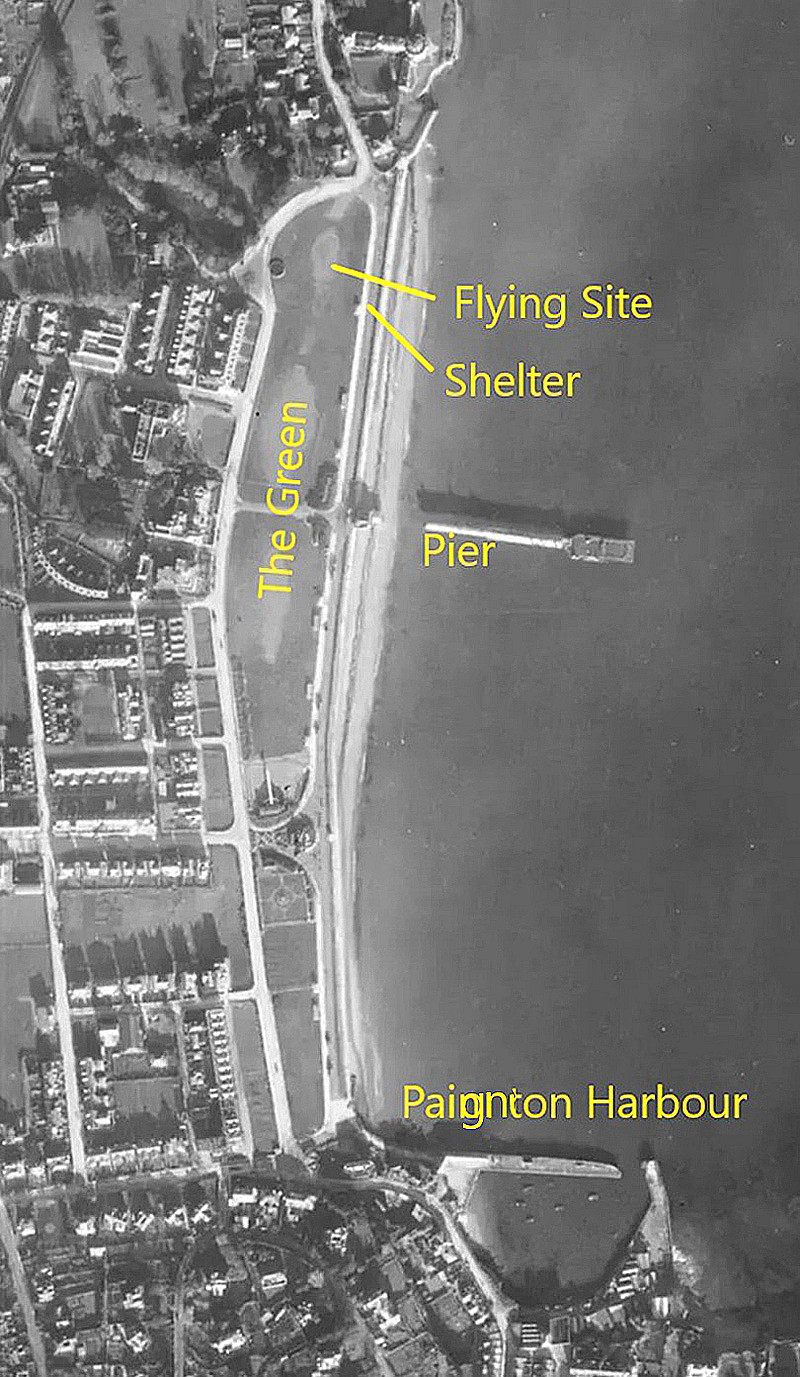
Photo Six is another picture of the Avro, this time passing over the pier on the 13th April. This picture being obtained from Paignton in Pictures on Facebook. Clearly the 500ft rule, prohibiting an aircraft to fly closer than 500ft from a person, vessel or structure, had yet to come about. Introduced, I think (?) probably in the 1930s. Perhaps earlier?
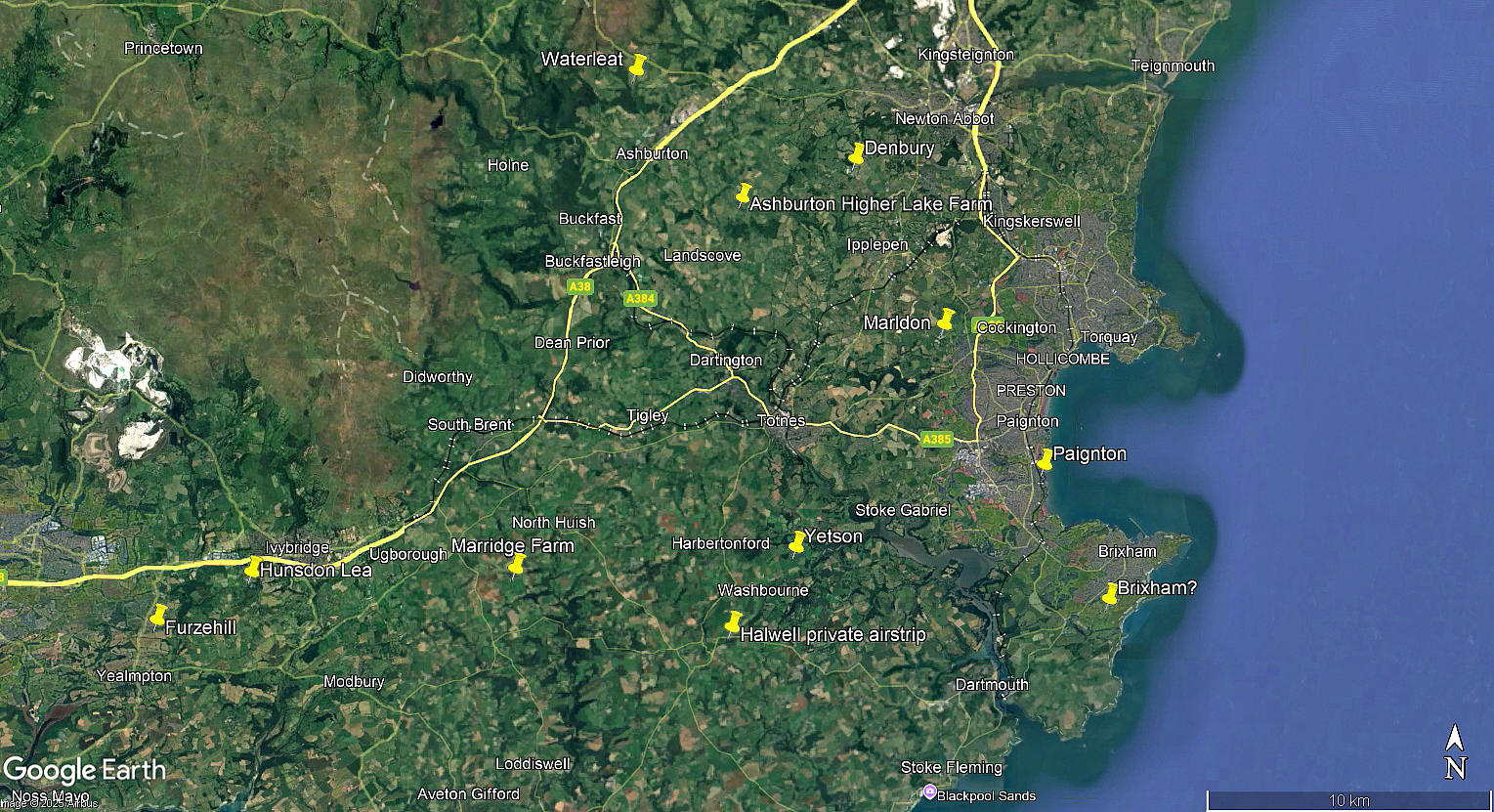
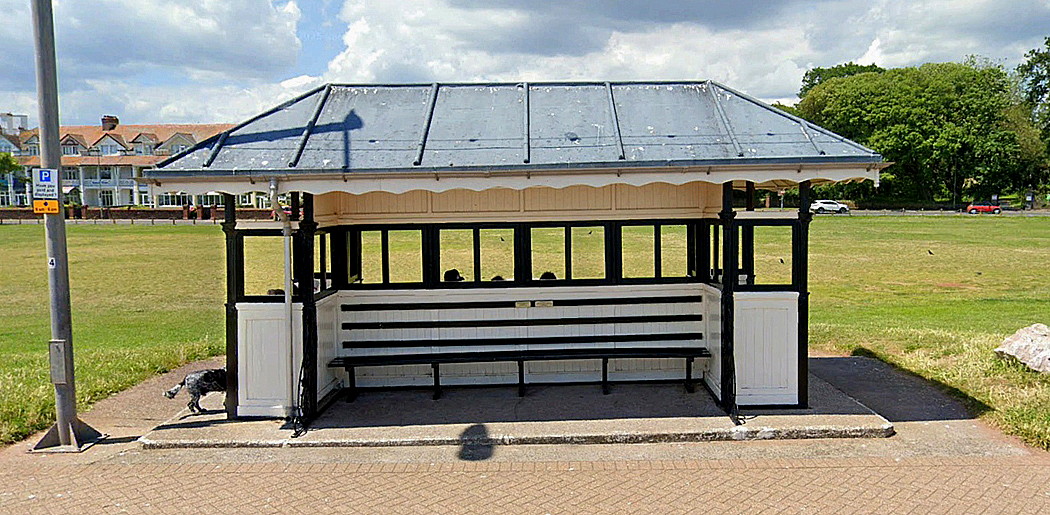
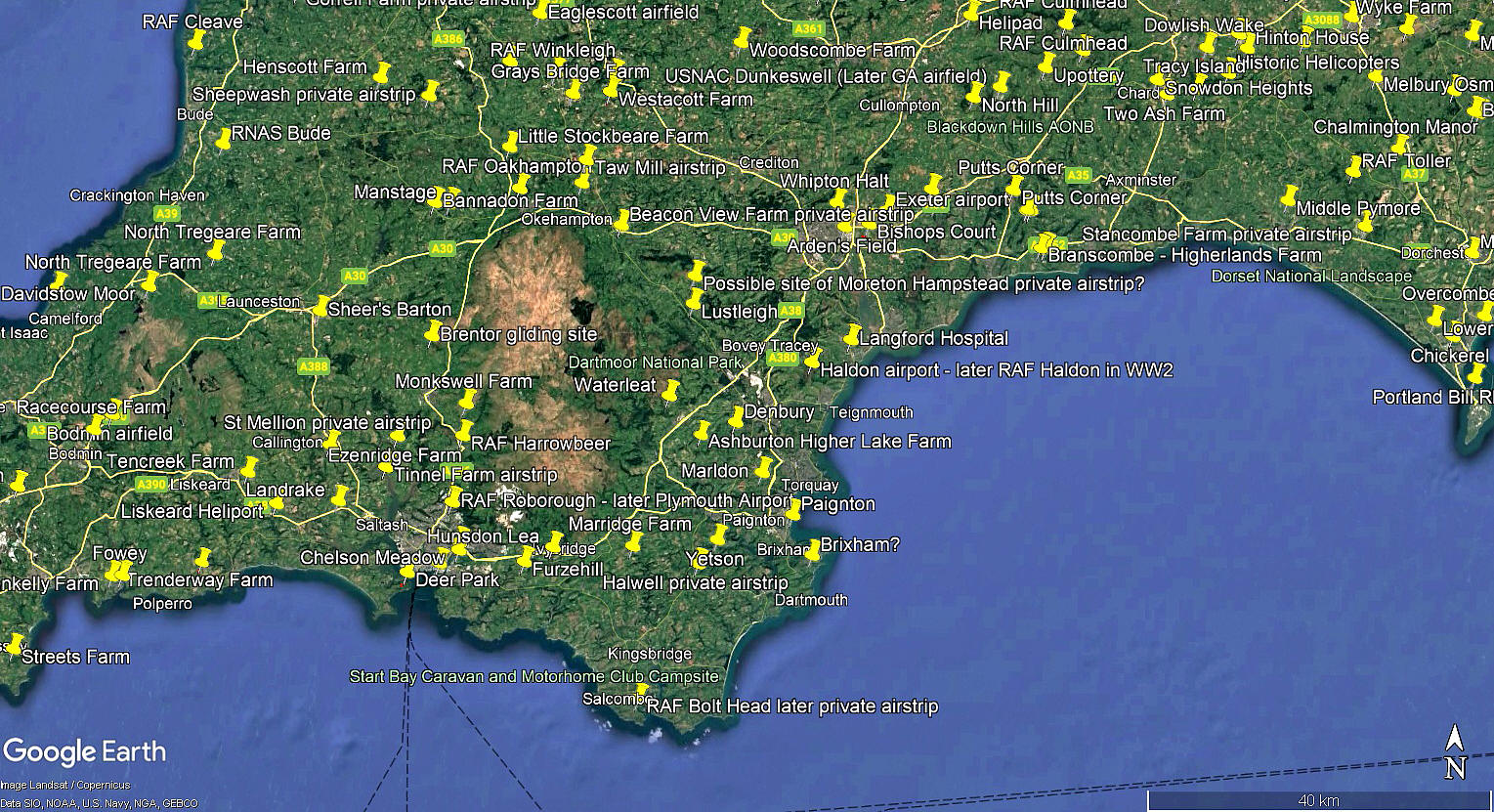
The local area and area views are from my Google Earth © derived database. The Google Street View is of the stoutly built shelter/pavilion, which can be clearly seen in Photo Four.
NOTES: There is one aspect of our aviation history that has become of some interest to me over the years. In the early days, both before and after WW1, using floatplanes operating from beaches at popular seaside resorts was common practice. And, the safety record appears to have been really quite good, comparable to landplanes. But, having had some experience with floatplanes, I think I can see why they fell out of favour. They need to be operated from relatively calm water and any form of swell greatly increases the risk of capsizing. The same applying to flying boats. Hence the majority of such aircraft being fitted with floats close to the outer sections of the wings. For lighter types this being not much of a realistic option due to the increase in weight and drag.
PAIGNTON: Military airstrip
Military users: US First Army ‘VII’ Corps 65th Armoured Field Artillery Battalion
US 9th Air Force 153rd Liaison Squadron
Location: On the seafront it seems
Period of operation: 1944/5 only?
Runways: Sand beach? Or possibly also from 'The Green'?
NOTES: Just two Piper L-4 Grasshoppers were based here it seems.
We'd love to hear from you, so please scroll down to leave a comment!
Leave a comment ...
Copyright (c) UK Airfield Guide